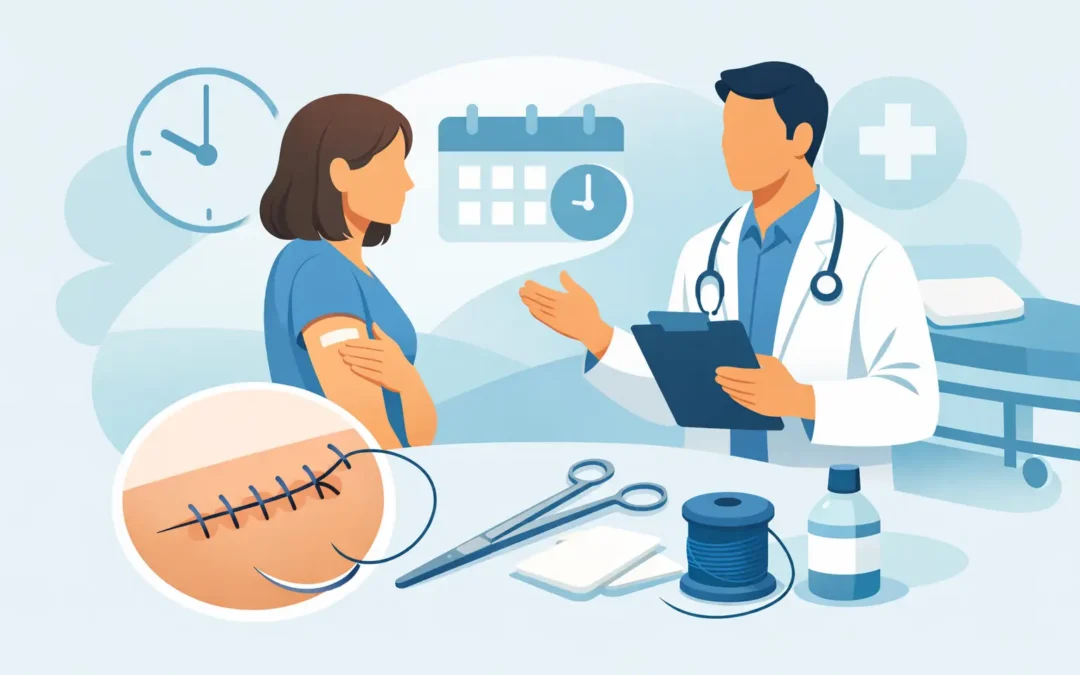
A kitchen knife slips, a glass edge catches your hand, or a fall leaves a deep split in the skin. In that moment, finding a same day stitches appointment is not about convenience alone. It is about protecting the wound, reducing infection risk, and giving your skin the best chance to heal cleanly.
When a cut needs more than a bandage, timing matters. Some wounds can be safely cleaned and closed with simple home care, while others need prompt medical attention to control bleeding, bring the skin edges together, and help minimize scarring. Knowing the difference can spare you hours of uncertainty and help you make a better decision quickly.
When a same day stitches appointment makes sense
Not every cut requires stitches. A shallow paper cut or small scrape usually heals well with cleansing, light pressure, and a protective dressing. A deeper laceration is different.
A wound often needs same-day evaluation if it continues bleeding after steady pressure, gapes open when you relax the skin, exposes deeper tissue, or sits on an area that moves constantly, such as a finger, knee, elbow, or face. Cuts caused by broken glass, metal, tools, or a fall on pavement also deserve closer attention because contamination and tissue damage are common.
Location matters too. Facial lacerations, cuts near the eyes, wounds across joints, and injuries involving the hands can affect both appearance and function. In those cases, careful closure is not just cosmetic. It can support better movement, comfort, and healing.
There is also a practical time window. Many lacerations are best repaired within hours of the injury, although the right timing depends on depth, contamination, body location, and your overall health. If you wait too long, a clinician may decide that immediate closure is no longer the safest option. That is one reason a prompt appointment can make a meaningful difference.
Signs your cut should be seen by a physician
A lot of patients hesitate because they do not want to overreact. That instinct is understandable, but certain warning signs should push the decision toward medical care.
If the wound is deep enough that you can see yellow fat, muscle, or other underlying tissue, it needs professional evaluation. If bleeding restarts as soon as pressure is released, the wound may require closure or more advanced treatment. Numbness, weakness, severe swelling, or trouble moving the affected area can suggest injury beyond the skin.
A dirty wound is another reason not to wait. Animal bites, puncture wounds, cuts from rusty or contaminated objects, and injuries with visible debris can carry a higher infection risk. In those situations, stitches may still be appropriate, but the wound has to be assessed carefully first. Sometimes the best treatment includes irrigation, debridement, a tetanus update, or medication in addition to closure.
If you are on blood thinners, have diabetes, poor circulation, or a condition that affects healing, it is especially wise to seek physician-led care sooner rather than later. These details can change how a wound should be treated.
What happens during a same day stitches appointment
One reason people put off treatment is simple uncertainty. They imagine a long, stressful process when most straightforward laceration repairs are organized, efficient, and much more comfortable than expected.
The visit usually begins with a physician evaluating how the injury happened, how long ago it occurred, whether the area was contaminated, and whether there may be damage to deeper structures. The wound is then examined for depth, location, bleeding, and tension on the surrounding skin.
Before stitches are placed, the area is cleaned thoroughly. This step matters. A well-irrigated wound is less likely to trap bacteria and debris, which can affect healing later. Local anesthetic is typically used so the repair can be done with greater precision and far less discomfort.
From there, the closure method depends on the wound itself. Traditional sutures are common for many deeper or high-tension cuts. Some smaller injuries may do well with adhesive strips or skin glue, while others need layered closure beneath the surface for better support. A physician-led approach is valuable here because the best result is not just about closing the skin. It is about choosing the technique that fits the anatomy, the movement of the area, and the cosmetic considerations involved.
After repair, you should receive instructions on cleaning, dressing changes, activity limits, and timing for removal if non-absorbable stitches are used. Good aftercare is where a lot of healing success happens.
Why speed matters, but so does judgment
Fast care is important, but quick treatment should never mean rushed treatment. The best same-day wound care balances responsiveness with precision.
A clean, straight cut on the forearm is different from a jagged wound on the lip or a laceration over a knuckle. Some wounds can be closed immediately with excellent results. Others need a more cautious plan because the infection risk is too high or the tissue damage is too irregular. That is why an experienced physician evaluates more than the surface appearance.
There is also a comfort factor that patients notice right away. In a more personalized urgent care setting, the experience tends to feel calmer, more attentive, and less transactional. For busy professionals, families, and anyone who would rather avoid an impersonal emergency room visit for a non-life-threatening laceration, that difference matters.
Questions patients often ask before getting stitches
The first question is usually whether stitches will hurt. Most patients feel the numbing process more than the repair itself. Once the area is anesthetized, treatment is typically very manageable.
The second concern is scarring. Any cut deep enough to need closure can leave a mark, but timely repair and proper technique can improve how a wound heals. So can following aftercare instructions carefully and returning for stitch removal at the right time.
People also ask whether they can wait until tomorrow. Sometimes the answer is yes, but often that is a gamble. Delaying closure may limit your options and can increase infection risk in certain wounds. If the cut is deep, bleeding, or open at the edges, getting it assessed the same day is usually the better call.
Another common question is whether urgent care is appropriate or whether the emergency room is necessary. For many minor to moderate lacerations, urgent care is the right setting. If there is uncontrolled bleeding, a possible fracture, loss of function, severe facial trauma, or signs of major vessel or tendon injury, emergency-level care may be more appropriate.
Aftercare can affect the final result
Once the wound is closed, the job is only partly done. The quality of healing depends heavily on what happens over the next several days.
Keep the area clean and protected, and follow the specific instructions you were given rather than relying on general advice from friends or online forums. Some wounds should stay dry for a short period, while others may be gently cleaned sooner. The location of the injury, the type of closure, and your skin all influence the plan.
Watch for increasing redness, warmth, swelling, pus, worsening pain, fever, or the wound pulling apart. These can be signs that the area needs to be rechecked. If stitches were placed over a joint or another mobile area, limiting strain is often just as important as keeping the site clean.
For visible areas such as the face, scar care may become part of the conversation after the skin has sealed. That can include sun protection and physician guidance on the right timing for any additional support. Rushing that process is rarely helpful.
Choosing a more thoughtful urgent care experience
When you need wound repair, you are not just looking for someone to close the skin quickly. You want clinical judgment, careful technique, and a setting that treats the injury with appropriate urgency while still giving you personal attention.
That is where a premium, physician-led urgent care model stands apart. At Dr. Farah VIP Urgent Care, patients who need laceration repair can access prompt medical attention with a more attentive, comfort-focused experience than they may expect from a standard walk-in clinic. That combination of speed and individualized care is especially valuable when the injury is painful, stressful, or in a cosmetically sensitive area.
A same-day appointment for stitches is not about overreacting to a cut. It is about giving your body the right support at the right time. If a wound looks deep, keeps bleeding, or will not stay closed, trust that instinct and have it evaluated while timely repair is still an option.