That nagging knee on the stairs, the shoulder that protests every tennis serve, the hip that stiffens after long hours at a desk – joint pain has a way of turning ordinary routines into daily negotiations. For many adults, PRP for joint pain has become an appealing option because it offers a physician-directed treatment path that is less invasive than surgery and more targeted than simply masking discomfort.
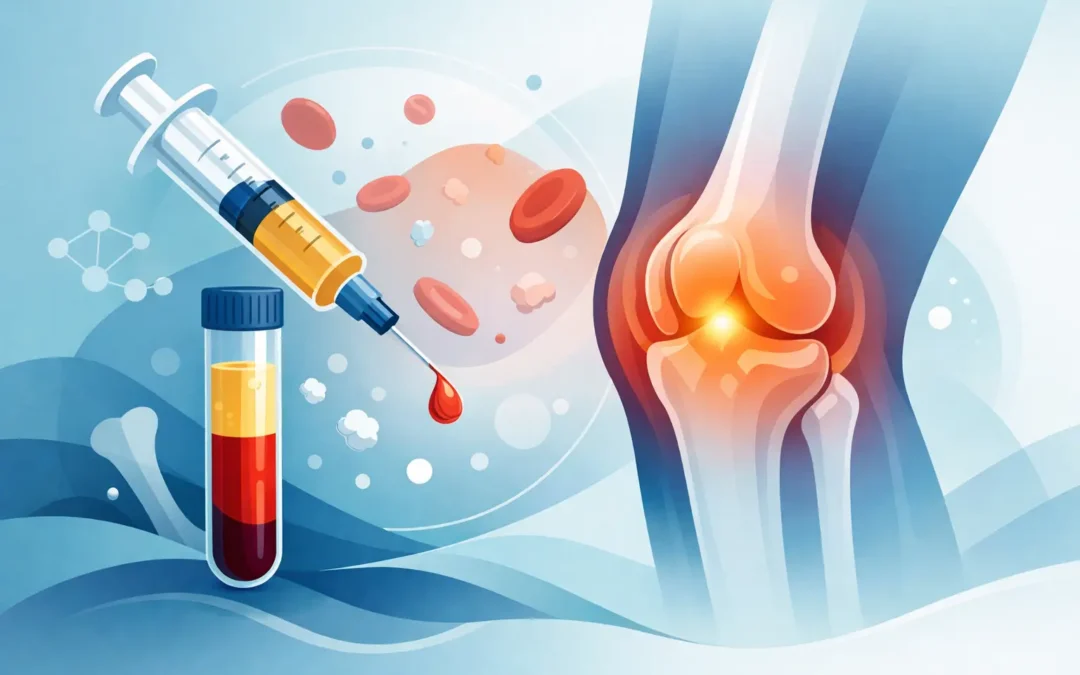
PRP stands for platelet-rich plasma. The treatment uses a small sample of your own blood, processed to concentrate platelets and growth factors, then injected into the affected joint or nearby tissue. The goal is not to numb the area for a few hours. It is to support the body’s repair response in a more meaningful way.
How PRP for Joint Pain Works
Platelets are best known for helping blood clot, but they also contain signaling proteins that play a role in healing. When PRP is prepared properly and placed in the right location, those platelets release growth factors that may help calm inflammation and encourage tissue recovery. In joint care, this often means trying to improve the environment inside or around a painful joint rather than relying only on temporary symptom relief.
That distinction matters. Joint pain is not one single condition. In some people, it comes from early arthritis and cartilage wear. In others, it may be driven by tendon irritation, ligament strain, overuse, prior injury, or a mix of issues at once. PRP tends to work best when the diagnosis is clear and the treatment plan is individualized.
This is why a proper medical evaluation should come first. A painful knee, for example, may not be a simple “bad knee.” It could involve osteoarthritis, a meniscus problem, patellar tendon irritation, alignment issues, or referred pain from somewhere else. The injection itself is only part of the story. Precision in diagnosis is what helps determine whether PRP is likely to be worthwhile.
Which Joints and Conditions May Respond Best
PRP is commonly used for knees, shoulders, hips, elbows, and ankles. In many practices, knee osteoarthritis is one of the most frequent reasons patients ask about it. Some studies suggest PRP may improve pain and function in certain patients with mild to moderate osteoarthritis, particularly when compared with more short-lived options.
It may also be considered for chronic tendon-related pain around joints, such as tennis elbow, patellar tendon problems, or rotator cuff irritation. These conditions can be frustrating because they often linger for months and do not always respond fully to rest, physical therapy, or anti-inflammatory medication.
Still, PRP is not a cure-all. Severe bone-on-bone arthritis, major structural instability, active infection, certain bleeding disorders, or uncontrolled medical conditions can change the picture. Some patients are excellent candidates. Others need a different strategy, whether that means guided rehabilitation, medication management, imaging, or referral for orthopedic care.
Who Is a Good Candidate for PRP for Joint Pain?
In general, good candidates are adults with persistent joint pain who want a less invasive option and understand that regenerative treatment takes time. The best results are often seen in patients with mild to moderate degeneration, localized pain, and realistic expectations.
Patients who tend to do well usually share a few qualities. They have a clear diagnosis, symptoms that match the area being treated, and a willingness to follow the recovery plan after the injection. PRP is rarely a one-step shortcut. It works best as part of a broader physician-guided approach that may include activity modification, physical therapy, strength work, and follow-up.
Expectations matter just as much as anatomy. PRP may reduce pain, improve function, and help some patients delay more invasive treatment. It does not regrow an entirely worn-out joint overnight, and it does not guarantee that surgery will never be needed. The goal is often improvement, not perfection.
What the Treatment Process Usually Looks Like
The process is straightforward, but it should still feel thoughtful and medically precise. First, a blood sample is drawn. That sample is spun in a centrifuge to separate and concentrate the platelet-rich portion. Then the PRP is injected into the target area, often using imaging guidance when appropriate to improve accuracy.
Most appointments are relatively efficient. Because the treatment uses your own blood product, the risk of allergic reaction is low. Patients often appreciate that this is a personalized treatment in the most literal sense – the material comes from their own body.
Some discomfort during or after the injection is normal. That can sound surprising if you are seeking pain relief, but PRP is intended to stimulate a healing response, and a temporary increase in soreness is common in the first few days. Most patients can return to light activity quickly, though high-impact exercise is usually limited for a period of time.
Recovery and Timeline for Results
One of the biggest misunderstandings about PRP is timing. This is not the kind of treatment where you judge success the next morning. Improvement can be gradual. Some patients notice meaningful changes within a few weeks, while others need several months to appreciate the full benefit.
That slower timeline is not necessarily a drawback. It reflects the fact that PRP is trying to influence biology, not just block pain signals. In the right patient, that can lead to a more durable improvement. But it also requires patience.
Recovery instructions vary based on the joint treated, your baseline function, and whether other therapies are being used alongside the injection. In many cases, physicians recommend avoiding anti-inflammatory medications for a period around treatment because those drugs may interfere with the intended healing response. Gentle movement is often encouraged, while intense loading may be postponed until the tissue has had time to settle.
PRP Compared With Other Options
Patients often ask whether PRP is better than cortisone, hyaluronic acid, physical therapy, or surgery. The honest answer is that it depends on the diagnosis, the severity of the problem, and the outcome you care about most.
Cortisone can be very helpful when rapid reduction of inflammation is needed, but its benefits may fade, and repeated use in some joints may carry downsides. Hyaluronic acid may help some patients with osteoarthritis, although results are mixed. Physical therapy remains essential in many cases because better mechanics and stronger support around a joint can make any medical treatment more effective. Surgery may still be the right choice when there is major structural damage or advanced degeneration.
PRP occupies a middle ground that appeals to many active adults. It is more intervention than rest and rehab alone, but less invasive than surgery. That position is exactly why patient selection matters so much. Used thoughtfully, it can be a valuable tool. Used indiscriminately, it can lead to disappointment.
Questions to Ask Before You Proceed
If you are considering PRP for joint pain, ask how your diagnosis was confirmed, whether imaging is needed, what type of PRP is being used, and what recovery plan follows the injection. You should also ask what success looks like in your specific case. Is the goal to walk comfortably, return to workouts, sleep without shoulder pain, or postpone a surgical consult? Those are very different endpoints.
It is also reasonable to ask whether you are likely to need one treatment or a series. Protocols differ, and the right answer depends on the condition being treated and your response over time. A careful physician will discuss trade-offs openly rather than promise a universal fix.
In a premium, patient-focused setting, this conversation should feel personalized, not rushed. That level of attention is especially important with regenerative medicine, where nuance matters and candid guidance builds trust.
At Dr. Farah VIP Urgent Care, that physician-led approach is part of what makes regenerative treatment feel more comfortable and more precise. Patients are not left sorting through trendy claims on their own. They receive clear recommendations based on symptoms, goals, and clinical judgment.
Joint pain can narrow your life little by little before you fully realize it. If PRP is the right fit, it may help you move with less discomfort and more confidence – not by covering up the issue, but by supporting your body’s own repair process in a thoughtful, medically guided way.