Life in the bustling city of Los Angeles can be unpredictable, and when unexpected health issues arise, knowing where to turn for prompt medical attention is crucial. Urgent care in Los Angeles offers a vital solution for those times when you need immediate medical attention but your primary care physician isn’t available and your condition isn’t life-threatening [General Knowledge]. This article will guide you through the landscape of Los Angeles urgent care options, helping you make informed decisions for your health needs.
Understanding Urgent Care in Los Angeles
What is Urgent Care?
Urgent care centers are medical facilities designed to treat illnesses and injuries that require timely attention but are not severe enough to warrant a visit to the emergency room. They bridge the gap between primary care physicians and emergency departments, providing a convenient and accessible healthcare option for a wide range of medical concerns.
Why is Urgent Care Important in a City Like Los Angeles?
In a large and dynamic city like Los Angeles, immediate access to medical care is essential. With busy schedules and the potential for unexpected illnesses or minor injuries, Los Angeles urgent care centers provide a much-needed resource [General Knowledge]. They offer an alternative to long waits for a doctor’s appointment or the high costs and time commitment of an emergency room visit for non-emergency situations.
Finding Urgent Care Options in Los Angeles
Different Types of Urgent Care Centers
Los Angeles boasts a diverse network of urgent care facilities. These include centers affiliated with major healthcare systems like UCLA Health and the LA County Department of Health Services , as well as privately operated clinics such as AFC Urgent Care and Vermont Urgent Care. This wide array of options ensures that residents across the city have access to immediate Los Angeles medical care.
Key Considerations When Choosing a Walk-in Clinic LA
When selecting a walk-in clinic LA, several factors are important to consider. Location and operating hours are key for convenience. It’s also wise to check the specific services offered to ensure they meet your needs. Understanding their insurance policies and billing practices can help avoid unexpected costs. Some clinics may also offer online check-in options to reduce wait times.
Common Medical Conditions Treated at Los Angeles Urgent Cares
Illnesses Commonly Seen
Urgent care centers in Los Angeles are equipped to handle a variety of common illnesses. These include colds, the flu, sore throats, ear infections, sinus infections, coughs, bronchitis, and other respiratory issues. They also treat gastrointestinal issues like nausea, vomiting, and diarrhea, as well as infections such as urinary tract infections (UTIs), strep throat, and skin infections.
Minor Injuries Handled
In addition to illnesses, Los Angeles urgent care centers are proficient in treating minor injuries. This includes sprains, strains, minor cuts that may require stitches, bruises, and minor burns. They can often provide on-site X-rays to diagnose fractures and other bone injuries.
Services Offered at Urgent Care Centers in LA
Diagnostic Services
Many urgent care centers in Los Angeles offer on-site diagnostic services for quicker evaluation and treatment. These often include lab tests for conditions like flu, strep throat, and UTIs, as well as blood glucose and other common tests. Additionally, many facilities have X-ray capabilities to diagnose fractures, sprains, and other injuries. Some centers may also offer other diagnostic tools like EKGs.
Preventative and Other Services
Beyond treating immediate medical needs, some walk-in clinic LA locations offer preventative services such as flu shots and tetanus vaccinations. They may also provide physical exams for school, sports, or work requirements. Certain urgent care centers even offer specialized services like occupational medicine, weight loss evaluations, and reproductive health services.
The Role of Urgent Care in LA’s Healthcare System
Bridging the Gap Between Primary Care and Emergency Rooms
Urgent care centers play a crucial role in the Los Angeles healthcare system by providing an accessible option for medical issues that need prompt attention but are not emergencies. They help alleviate the burden on overcrowded hospital emergency rooms by treating non-life-threatening conditions efficiently. This ensures that emergency rooms can focus on patients with more critical needs.
A Cost-Effective Alternative for Immediate Medical Care
Choosing an urgent care center over an emergency room for non-emergency medical needs can often result in significant cost savings. Emergency room visits typically involve higher fees due to the resources and specialized staff required. Urgent care centers offer a more affordable option for conditions that can be effectively treated in an outpatient setting.
When to Choose Urgent Care vs. the Emergency Room in Los Angeles
Knowing Where to Go for Your Medical Needs
It’s important to understand when to seek care at an urgent care center versus a hospital emergency room. Urgent care is appropriate for conditions that require prompt attention but are not life-threatening. Emergency rooms are reserved for severe, life-threatening conditions that require immediate and intensive medical intervention.
Examples of Urgent Care Situations
Common reasons to visit an urgent care center in Los Angeles include minor infections, such as colds, flu, sore throats, and earaches. Minor injuries like sprains, strains, and small cuts are also typically treated at urgent care facilities.
When Emergency Care is Necessary
You should seek immediate emergency care if you experience symptoms such as chest pain or difficulty breathing, sudden numbness or weakness, severe bleeding, loss of consciousness, or major trauma. These conditions require the specialized resources and immediate attention available in a hospital emergency room.
Tips for Choosing the Right Urgent Care in LA
Location and Operating Hours
When choosing an urgent care in Los Angeles center, consider its location and how easily accessible it is from your home or work. Check their operating hours to ensure they are open when you are most likely to need them, including evenings and weekends.
Services Offered and Insurance Coverage
Verify that the urgent care center offers the specific medical services you require. It’s also crucial to confirm whether they accept your health insurance plan to minimize out-of-pocket expenses.
Reputation and Patient Reviews
Before visiting an urgent care center, it can be helpful to read online patient reviews to get an idea of their quality of care and patient experience. Look for consistent feedback regarding wait times, staff friendliness, and the effectiveness of treatment.
What to Expect During Your Visit to an Urgent Care in Los Angeles
Walk-in vs. Appointments
Most urgent care centers in Los Angeles operate on a walk-in basis, meaning you typically don’t need an appointment. However, some clinics may offer the option to schedule appointments online or by phone. Some even allow you to check in online to reserve your spot.
Information to Bring
When you visit an urgent care center, be sure to bring your photo ID, insurance card, and a list of any medications you are currently taking. Having this information readily available will help streamline the check-in process.
The Examination and Treatment Process
Upon arrival, you will typically check in and provide your medical history and insurance details. You will then be seen by a qualified healthcare professional, such as a medical doctor, physician assistant, or nurse practitioner, who will examine you and develop a treatment plan.
The Benefits of Quick Access to Medical Care in Los Angeles
Faster Service and Lower Costs
One of the primary advantages of choosing urgent care in Los Angeles is the faster service compared to emergency rooms, especially for non-life-threatening conditions. Additionally, urgent care visits are generally more affordable than emergency room visits for similar medical issues.
Convenience and Accessibility
Urgent care centers often have extended operating hours, making them a convenient option when your primary care physician’s office is closed. The ability to walk in without an appointment provides immediate access to medical care when you need it most.
Understanding the Cost of Urgent Care in Los Angeles
Factors Affecting the Price
The cost of an urgent care visit in Los Angeles can vary depending on your insurance coverage, the specific services you receive, and the clinic you visit. It’s always a good idea to check with your insurance provider and the urgent care center to understand potential out-of-pocket costs.
Comparison with Emergency Room Costs
As mentioned earlier, urgent care visits are typically less expensive than emergency room visits for similar non-emergency conditions. This can result in significant savings while still receiving the timely medical attention you need.
Urgent Care in Los Angeles
Dr. Farah VIP Urgent Care: A Unique Option in Los Angeles
What Makes It Stand Out?
Dr. Farah VIP Urgent Care distinguishes itself by offering a blend of immediate medical services with a “VIP touch” and advanced rejuvenation therapies. Led by Dr. Farah, an expert in both emergency and family medicine, the clinic provides thorough and compassionate care for a wide range of conditions.
Services Offered at Dr. Farah VIP Urgent Care
In addition to acute care services for illnesses and injuries, Dr. Farah VIP Urgent Care offers specialized PRP (Platelet-Rich Plasma) therapy and other regenerative treatments for skin rejuvenation, hair restoration, and joint pain management. They also provide IV hydration and IV cocktails. This unique combination of services sets them apart from many other urgent care centers in Los Angeles.
Conclusion: Your Health and Well-being in Los Angeles
Navigating healthcare in a large city like Los Angeles requires understanding your options. Urgent care in Los Angeles provides a valuable resource for immediate Los Angeles medical care needs that are not life-threatening. By understanding the services offered, when to choose urgent care over the emergency room, and what to expect during a visit to a walk-in clinic LA, you can make informed decisions to ensure your health and well-being in the city. Consider exploring the unique offerings of Dr. Farah VIP Urgent Care for a comprehensive approach to your immediate and long-term health needs.
In the bustling city of Beverly Hills, where residents lead dynamic lives, the need for immediate and reliable medical attention for non-life-threatening conditions has become increasingly apparent. Several medical facilities in the area cater to this demand, indicating a significant requirement for such services within the community. These facilities range from standard urgent care clinics specializing in minor illnesses and injuries to concierge services offering a more personalized and comprehensive approach. The very presence and variety of these options suggest that a substantial portion of the Beverly Hills population seeks readily available medical care outside of traditional primary care hours or for situations that do not necessitate a visit to the emergency room.
The desire for healthcare that is both convenient and efficient appears to be a driving factor for many Beverly Hills residents. When unexpected illnesses or minor injuries occur, individuals often prioritize quick access to medical professionals without the lengthy wait times associated with emergency departments. This need for prompt attention, coupled with the desire to avoid the higher costs of emergency care for non-critical issues, makes urgent care centers a valuable resource in the community. Furthermore, the demographic makeup of Beverly Hills, with a notable percentage of the population in older age brackets and a segment of the community without health insurance , further underscores the importance of accessible and affordable urgent care options. For older adults who may experience more frequent minor health concerns and for those without insurance seeking cost-effective solutions for immediate medical needs, urgent care centers provide a vital healthcare alternative. This growing reliance on urgent care in Beverly Hills mirrors a broader trend in healthcare where individuals are increasingly seeking convenient, timely, and affordable alternatives for non-emergency medical situations.
What Kind of Medical Services Can You Expect at a Beverly Hills Urgent Care Center?
Urgent care centers in Beverly Hills are equipped to handle a wide array of medical needs that require prompt attention but are not life-threatening. Patients can generally expect to receive treatment for common illnesses such as colds, the flu, strep throat, and urinary tract infections. These centers also provide care for minor injuries, including cuts, sprains, strains, and minor burns. Many facilities offer on-site diagnostic services, such as X-rays and laboratory tests, which allow for quick and accurate diagnosis of conditions like infections and fractures. This capability is crucial for providing timely and effective treatment without the need for separate appointments at different facilities.
Beyond these standard services, some urgent care centers in Beverly Hills offer more specialized care. For instance, Dr. Farah VIP Urgent Care provides acute care services for a broad range of immediate medical needs, from minor injuries to more severe illnesses. Additionally, they offer PRP (Platelet-Rich Plasma) and rejuvenation treatments, which represent a unique offering not typically found in standard urgent care settings. Other facilities, like Sollis Health, may offer even more comprehensive services, including advanced diagnostic imaging such as MRI and CT scans, as well as the convenience of house calls. The availability of pediatric urgent care services is also a common feature, indicating that many centers in Beverly Hills are equipped to care for families and children, addressing common childhood illnesses and minor injuries. Overall, urgent care centers in Beverly Hills serve as an essential resource by providing a broad spectrum of medical services for non-emergency situations, often with the added convenience of on-site diagnostics and, in some cases, specialized treatments.
The Key Advantages of Choosing a Local Urgent Care Facility in Beverly Hills
Opting for a local urgent care facility in Beverly Hills offers several key advantages for individuals seeking immediate medical attention for non-life-threatening conditions. One of the most frequently cited benefits is convenience. Many urgent care centers offer extended operating hours, including evenings and weekends, making them accessible when primary care physicians’ offices are typically closed. Additionally, many facilities welcome walk-in patients, eliminating the need to schedule an appointment in advance. This accessibility is particularly valuable when unexpected illnesses or minor injuries occur and prompt care is desired. The ease of access is further enhanced by the often central locations of these clinics within Beverly Hills, ensuring they are just a short drive away for most residents.
Another significant advantage is the speed of service. Urgent care centers are designed to provide timely medical attention, and patients often experience shorter wait times compared to hospital emergency rooms. Some facilities even boast being able to see patients within 15-20 minutes of arrival. This efficiency is crucial for individuals who want to address their medical concerns quickly and return to their daily activities. Furthermore, urgent care visits are typically more cost-effective than emergency room visits for non-emergency conditions. The copays and overall costs associated with urgent care are generally lower, making it a more affordable option for many patients. The fact that most urgent care centers accept a wide range of insurance plans further enhances their accessibility and affordability. Finally, many urgent care facilities are equipped with on-site diagnostic capabilities like X-rays and lab tests, allowing for quicker diagnosis and treatment without the need for referrals to other locations. These combined benefits of convenience, speed, and cost-effectiveness make local urgent care facilities a highly advantageous choice for addressing a variety of immediate, non-life-threatening medical needs in Beverly Hills.
Step-by-Step: What Happens When You Visit an Urgent Care in Beverly Hills?
When visiting an urgent care center in Beverly Hills, patients can generally expect a streamlined and efficient process. Upon arrival, the first step typically involves registration, where patients will provide their personal information, medical history, and insurance details. Many clinics strive to make this process quick and easy to minimize wait times. Following registration, patients are usually seen by a medical professional, which may include a physician, physician assistant, or nurse practitioner. The medical staff will assess the patient’s condition, ask questions about their symptoms, and conduct a physical examination as needed.
Depending on the nature of the medical issue, further diagnostic tests may be ordered. As many urgent care centers have on-site laboratories and X-ray facilities, these tests can often be performed quickly, allowing for a more immediate diagnosis. Once the medical professional has a clear understanding of the patient’s condition, a treatment plan will be developed and explained. This may involve medication prescriptions, wound care, splinting, or other necessary interventions. The overall aim is to provide effective treatment and get patients feeling better as quickly as possible. Many patients report being “in and out quickly” and some facilities even aim to see patients within a very short timeframe after their arrival. The focus on efficiency and minimizing wait times contributes to a positive patient experience, making urgent care a convenient and attractive option for immediate medical needs in Beverly Hills.
Introducing Dr. Farah VIP Urgent Care: Your Premier Choice in Beverly Hills
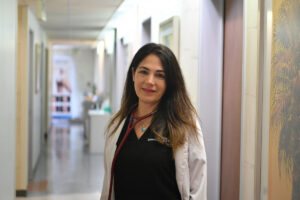
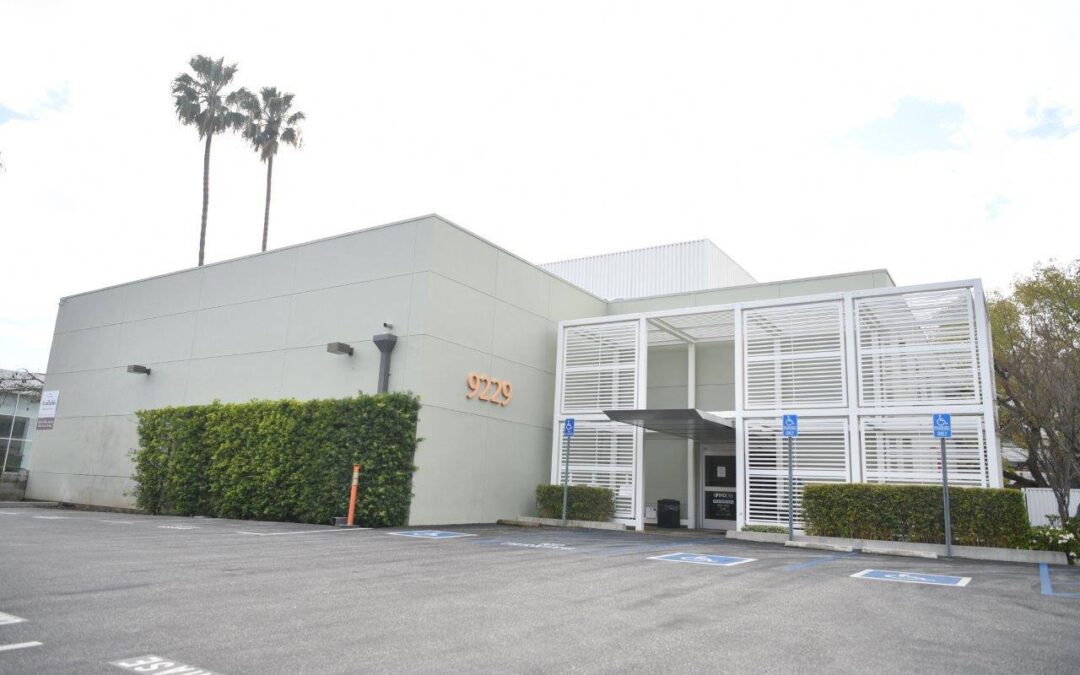
Dr. Farah VIP Urgent Care, located at 9229 Wilshire Boulevard in Beverly Hills, stands out as a premier choice for urgent medical needs in the community. Led by Dr. Farahnaz Eskandari, a family physician with extensive experience in both emergency care and family medicine, the clinic offers a unique blend of expertise and a patient-centered approach. Dr. Farah’s philosophy centers on fostering holistic wellness and empowering patients to achieve optimal health, ensuring that individual needs and goals are at the forefront of every treatment plan. This commitment to personalized care, combined with Dr. Farah’s background in both traditional and innovative medical approaches, distinguishes the clinic from other urgent care options in the area.
Beyond providing comprehensive acute care services for a wide range of immediate medical needs, from minor injuries to more severe illnesses, Dr. Farah VIP Urgent Care offers specialized treatments such as PRP (Platelet-Rich Plasma) and other rejuvenation therapies. This unique combination of urgent care and regenerative medicine under one roof provides patients with a broader spectrum of healthcare options. The clinic’s emphasis on “VIP” service further underscores its commitment to providing a higher level of care and personalized attention to each patient. Dr. Farah’s meticulous approach to diagnosis and treatment, coupled with her dedication to quick decision-making and thorough assessments, instills confidence in patients seeking prompt and effective medical care. For residents of Beverly Hills looking for a trusted and comprehensive urgent care provider that goes beyond the standard offerings, Dr. Farah VIP Urgent Care presents itself as a leading option.
Our Comprehensive Range of Urgent Care Services Tailored to Your Needs
At Dr. Farah VIP Urgent Care, the focus is on providing a comprehensive range of acute care services designed to address the immediate medical needs of patients with precision and compassion. With Dr. Farah’s extensive background in emergency care and family medicine, the clinic excels in diagnosing and treating a wide variety of acute conditions. Whether a patient presents with a minor injury such as a cut or sprain, or a more severe illness like the flu or an infection, the medical team is equipped to provide prompt and effective care. The clinic’s commitment to a patient-centered approach ensures that each individual receives care that is specifically tailored to their unique needs and medical situation.
In addition to addressing immediate illnesses and injuries, Dr. Farah VIP Urgent Care also offers specialized services that further cater to the diverse needs of the Beverly Hills community. These include advanced PRP (Platelet-Rich Plasma) and rejuvenation treatments, which utilize the body’s natural healing properties to promote tissue regeneration and enhance vitality. These innovative therapies are used for various applications, including skin rejuvenation, hair restoration, and joint pain management. The availability of these specialized treatments alongside comprehensive acute care makes Dr. Farah VIP Urgent Care a unique and valuable healthcare resource in Beverly Hills, offering a holistic approach to health and well-being.
Understanding the Difference: Urgent Care vs. Emergency Room vs. Primary Care Physician
Navigating the healthcare system can sometimes be confusing, particularly when deciding where to seek medical attention. Understanding the distinct roles of urgent care centers, emergency rooms, and primary care physicians is crucial for making informed decisions about one’s health. Emergency rooms are designed to treat severe, life-threatening conditions that require immediate medical intervention. These facilities are equipped to handle critical situations such as chest pain, difficulty breathing, severe bleeding, and signs of a stroke or heart attack. Emergency rooms operate 24/7 and have a wide range of specialists and treatment options available. However, for less severe conditions, emergency room visits can often result in longer wait times and higher costs.
Urgent care centers, on the other hand, are designed to address medical issues that are not life-threatening but still require prompt attention, typically within 24 hours. They bridge the gap between primary care physicians and emergency rooms, offering a convenient and more affordable option for conditions like colds, flu, minor injuries, infections, and sprains. Urgent care centers often have extended hours and welcome walk-in patients, providing immediate access to care without the need for an appointment. Primary care physicians serve as the foundation of an individual’s healthcare, focusing on preventive care, routine check-ups, managing chronic conditions, and providing referrals to specialists when needed. They build long-term relationships with their patients and have a comprehensive understanding of their medical history. While primary care physicians are essential for overall health management, it may not always be possible to get an immediate appointment for acute, non-emergency issues. Understanding these distinctions empowers individuals to choose the most appropriate healthcare setting for their specific needs, ensuring they receive timely and cost-effective care.
Exploring Other Urgent Care Options Available in the Beverly Hills Area
While Dr. Farah VIP Urgent Care offers a unique and comprehensive approach, Beverly Hills is also home to several other urgent care facilities that provide valuable services to the community. Beverly Hills Urgent Care specializes in treating minor illnesses and injuries for patients of all ages and offers both walk-in and appointment options. Cedars-Sinai Urgent Care – Beverly Hills provides extended hours seven days a week for immediate healthcare needs that are not life-threatening, also offering walk-in visits. Sollis Health – Beverly Hills Flagship operates as a private urgent care center with a membership model, offering 24/7 access and a wide array of services, including advanced diagnostics and house calls. Exer Urgent Care in Beverly Hills, formerly known as Advanced Urgent Care of Beverly Hills, aims to provide a tranquil and easily accessible healthcare experience and accepts most insurance plans, including Medicare.
These various urgent care options in Beverly Hills cater to different patient preferences and needs. Some individuals may prefer the convenience of a standard walk-in clinic for minor ailments, while others might seek the comprehensive services and 24/7 access offered by a membership-based model. The presence of a facility affiliated with a major medical center like Cedars-Sinai may also appeal to some. While UCLA Health has several immediate care locations, none are explicitly listed within Beverly Hills itself, suggesting residents may also consider options in neighboring areas for immediate care needs. The diverse landscape of urgent care providers in Beverly Hills underscores the importance for each facility to clearly communicate its unique benefits and services to attract and serve the community effectively.
Knowing When to Choose Urgent Care for Your Health Concerns
Determining when to visit an urgent care center can help individuals receive timely and appropriate medical attention for a variety of non-emergency health concerns. Urgent care is a suitable option for a wide range of common illnesses and minor injuries. These include cold and flu symptoms such as cough, congestion, sore throat, and fever. Minor injuries like cuts, scrapes, sprains, and strains are also commonly treated at urgent care facilities. Infections such as ear infections, sinus infections, urinary tract infections (UTIs), and strep throat are frequently addressed in urgent care settings.
Other conditions that may warrant a visit to urgent care include mild to moderate asthma attacks, allergic reactions, skin rashes, headaches, nausea, vomiting, and diarrhea. Urgent care centers also often provide services like flu shots, physical exams for school or sports, and treatment for minor burns, insect bites, and animal bites. The ability to receive prompt medical attention for these types of conditions, without the need for a prior appointment and often with shorter wait times than an emergency room, makes urgent care a valuable resource for addressing immediate, non-life-threatening health concerns in the Beverly Hills community.
Dr. Farah VIP Urgent Care distinguishes itself in the Beverly Hills healthcare landscape through several key factors. A primary differentiator is the unique expertise of its founder, Dr. Farahnaz Eskandari, who is not only an experienced family physician but also an expert in rejuvenation medicine. This dual expertise allows the clinic to offer a broader range of services than typical urgent care centers, extending beyond immediate acute care to include holistic wellness approaches and innovative treatments like PRP and other rejuvenation therapies. This combination is particularly appealing to individuals seeking comprehensive care that addresses both immediate medical needs and long-term well-being.
The clinic’s philosophy of patient-centered care further sets it apart. Dr. Farah and her team prioritize understanding each patient’s unique needs and goals, ensuring that treatment plans are tailored to the individual. This commitment to personalized attention, coupled with Dr. Farah’s compassionate approach and meticulous diagnostic skills, fosters trust and reassurance in patients. The emphasis on “VIP” in the clinic’s name reflects a dedication to providing a higher level of service and a more comfortable and attentive patient experience. By offering specialized treatments like PRP, which are not commonly found in typical urgent care settings, Dr. Farah VIP Urgent Care caters to a wider spectrum of healthcare needs, attracting patients interested in both immediate medical care and aesthetic or regenerative therapies. This unique combination of expertise, personalized care, and specialized services positions Dr. Farah VIP Urgent Care as a leading and distinctive choice for urgent care in Beverly Hills.
Prioritizing Your Health and Well-being with Convenient Urgent Care in Beverly Hills
In the vibrant community of Beverly Hills, prioritizing your health and well-being is paramount. Dr. Farah VIP Urgent Care offers a convenient and high-quality solution for addressing your immediate medical needs without disrupting your busy lifestyle. By providing a comprehensive range of urgent care services, from treating common illnesses and minor injuries to offering specialized rejuvenation therapies, the clinic ensures that you have access to the care you need, when you need it most. The emphasis on patient-centered care and Dr. Farah’s expertise in both acute and holistic medicine means you can trust that your health concerns will be addressed with precision, compassion, and a focus on your overall well-being. Choosing a local urgent care facility like Dr. Farah VIP Urgent Care provides peace of mind, knowing that quality medical care is readily available close to home.
Conclusion
For residents of Beverly Hills and the surrounding areas, Dr. Farah VIP Urgent Care offers a valuable resource for immediate medical needs. With a commitment to convenient, quality care, Dr. Farah and her team provide a comprehensive range of services, from addressing common illnesses and injuries to offering unique rejuvenation treatments. By understanding the benefits of choosing local urgent care and recognizing the distinctive advantages of Dr. Farah VIP Urgent Care, individuals can make informed decisions about their healthcare, ensuring they receive the right care at the right time.
In today’s healthcare landscape, understanding the various options for immediate medical attention is crucial. One such option is urgent care, a term that has become increasingly common. But what exactly does it entail? How does it differ from emergency care? And when should one opt for urgent care services? This comprehensive guide delves into these questions, providing clarity on services, benefits, and appropriate times to visit urgent care centers.
1. What is Urgent Care?
Urgent care centers are medical facilities designed to offer immediate outpatient care for acute illnesses and injuries that are not severe enough to require a visit to an emergency department (ED). These centers bridge the gap between primary care physicians and hospital emergency rooms, providing a convenient alternative when timely medical attention is needed.
Definition and Overview
According to the American College of Emergency Physicians, an urgent care center is a walk-in clinic focused on delivering medical care for minor illnesses and injuries in an ambulatory medical facility outside of a traditional hospital-based or freestanding emergency department. This means that patients can receive prompt medical attention without the need for an appointment, making healthcare more accessible, especially during hours when primary care offices may be closed.
Services Offered
Urgent care centers are equipped to handle a variety of medical issues, including but not limited to:
Minor Injuries: Such as sprains, strains, minor fractures, and cuts requiring stitches.
Illnesses: Including flu-like symptoms, bronchitis, sinus infections, and urinary tract infections.
Preventive Services: Such as vaccinations, physical exams, and screenings.
These centers often have diagnostic tools like X-rays and laboratories on-site, allowing for prompt diagnosis and treatment.
2. Differences Between Urgent Care and Emergency Rooms
While both urgent care centers and emergency rooms provide immediate medical attention, they cater to different levels of medical severity and operate differently.
Severity of Conditions Treated
Emergency Rooms (ERs): Designed to handle life-threatening conditions such as heart attacks, strokes, severe bleeding, and major trauma. ERs are equipped with advanced medical technology and specialists to manage critical situations.
Urgent Care Centers: Intended for non-life-threatening conditions that still require prompt attention, like minor fractures, infections, and moderate asthma attacks. They are not equipped to handle severe emergencies.
Wait Times and Costs
Urgent care centers often have shorter wait times and are less expensive compared to ERs. This is because ERs prioritize patients based on the severity of their condition, which can lead to longer waits for those with less critical issues. Additionally, the cost of care in an ER is typically higher due to the resources and specialized staff available.
3. Benefits of Choosing Urgent Care Centers
Opting for an urgent care center comes with several advantages, especially for non-emergency situations.
Accessibility and Convenience
Many urgent care centers offer extended hours, including evenings and weekends, providing flexibility for patients who cannot visit their primary care physician during regular office hours. This accessibility ensures that medical attention is available when needed.
Cost-Effectiveness
Visiting an urgent care center is generally more affordable than an ER visit. For non-life-threatening conditions, choosing urgent care can result in significant savings for both patients and the healthcare system.
Comprehensive Care
With on-site diagnostic services like X-rays and labs, urgent care centers can quickly diagnose and treat various conditions, reducing the need for multiple visits to different facilities.
4. Services Provided at Urgent Care Centers
Understanding the scope of services offered at urgent care centers can help patients make informed decisions about where to seek care.
Diagnostic Services
Many centers are equipped with X-ray machines, laboratories, and EKG equipment, enabling prompt diagnosis of conditions like fractures, infections, and minor cardiac issues.
Cedar Point Health
Treatment Services
Urgent care centers can manage a wide range of conditions, including:
Cedar Point Health
Respiratory Infections: Such as bronchitis, pneumonia, and asthma exacerbations.
Minor Injuries: Including sprains, strains, minor fractures, and lacerations.
Skin Conditions: Such as rashes, insect bites, and minor burns.
Preventive Services
Some centers offer preventive care, including vaccinations (like flu shots), routine physicals, and screenings for conditions like hypertension and diabetes.
5. When to Visit Urgent Care
Knowing when to choose urgent care over other healthcare options ensures timely and appropriate treatment.
Appropriate Conditions for Urgent Care
Consider visiting an urgent care center for:
Minor Fractures: Such as a simple broken finger or toe.
Sprains and Strains: Injuries to muscles or ligaments that are not severe.
Moderate Cuts: Lacerations that may require stitches but are not heavily bleeding.
Mild to Moderate Asthma Attacks: When symptoms are not severe enough to require emergency intervention.
Infections: Such as urinary tract infections, ear infections, or sinusitis.
Situations Better Suited for Other Care Settings
Primary Care Physician: For routine check-ups, chronic disease management, and preventive care.
Emergency Room: For severe conditions like chest pain, difficulty breathing, significant head injuries, or uncontrolled bleeding.
6. How to Choose the Right Urgent Care Center
Selecting an appropriate urgent care center ensures timely and effective medical attention. Consider the following factors:
Location and Accessibility
Opt for a facility that is easily accessible and close to your home or workplace. Proximity can be crucial during urgent situations, minimizing travel time and stress.
Hours of Operation
Evaluate the clinic’s hours of operation. Look for a clinic that aligns with your schedule, including evenings and weekends.
Insurance and Payment Options
Ensure that the clinic accepts your insurance plan to avoid unforeseen expenses. Confirming this beforehand can prevent unexpected costs.
Services Offered
Assess the range of services provided to ensure they align with your potential healthcare needs. Some clinics offer specialized services, while others provide general urgent care.
Staff Qualifications and Clinic Accreditation
Verify the credentials of the medical staff and the clinic’s accreditation status. Accreditation ensures adherence to specific standards of care.
Patient Reviews and Clinic Reputation
Research testimonials or reviews from previous patients to gauge the quality of care. Platforms like Google and Yelp can provide valuable insights.
Wait Times and Scheduling
Inquire about average wait times and whether the clinic offers online check-ins or appointments. Efficient scheduling can significantly enhance your experience.
Facility Cleanliness and Environment
A clean and well-maintained facility reflects the quality of care and attention to patient comfort. Visiting the clinic beforehand or viewing photos online can provide insights.
7. Costs Associated with Urgent Care Visits
Understanding the financial aspects of urgent care is essential for budgeting and avoiding unexpected expenses.
Average Costs with Insurance
For insured patients, the cost of an urgent care visit typically depends on the copay or coinsurance stipulated by their health plan. On average, insured patients might pay between $20 to $50 per visit, depending on their insurance policy.
Average Costs without Insurance
Without insurance, an urgent care visit typically runs from $125 to $300, with an average cost of $180.
Additional Services and Their Costs
Additional services such as X-rays, lab tests, or procedures like stitches can incur extra charges. For instance, getting stitches may cost around $150, while treatments for sprains or joint pain might be approximately $175.
Comparing Urgent Care Costs to Other Medical Settings
Urgent care centers are generally more affordable than emergency rooms but may cost more than a visit to a primary care physician. For example, an emergency room visit can easily exceed $1,000, whereas urgent care visits range between $150 to $200.
8. The Role of Urgent Care in the Healthcare System
Urgent care centers have become integral components of the healthcare landscape, serving specific functions:
Bridging the Gap Between Primary Care and Emergency Rooms
Urgent care centers provide immediate medical attention for non-life-threatening conditions when primary care physicians are unavailable, and emergency rooms are unnecessary. This helps alleviate the burden on emergency departments and offers patients timely care.
Reducing Healthcare Costs
By offering a cost-effective alternative to emergency rooms for non-emergent issues, urgent care centers contribute to overall healthcare savings. Patients incur lower expenses, and hospitals can focus resources on critical cases.
Increasing Access to Care
With extended hours and no appointment requirements, urgent care centers enhance accessibility, especially for individuals with limited healthcare options or those needing care outside regular office hours.
9. Equipment and Facilities in Urgent Care Centers
Understanding the capabilities of urgent care centers can help set appropriate expectations.
Diagnostic Tools
Many urgent care centers are equipped with on-site X-ray machines, laboratories, and EKG equipment, enabling prompt diagnosis of conditions like fractures, infections, and minor cardiac issues.
Treatment Facilities
These centers often have facilities to treat minor injuries such as sprains, strains, and minor fractures. They can also handle illnesses like respiratory infections, urinary tract infections, and provide preventive services like vaccinations.
Comfort and Cleanliness
A clean, well-maintained environment with comfortable waiting areas reflects the quality of care and consideration for patient comfort.
10. Urgent Care vs. Primary Care Physicians
Understanding the distinctions between urgent care centers and primary care physicians (PCPs) is crucial for making informed healthcare decisions. Both play vital roles in the healthcare system, but they serve different purposes and are suited to different patient needs.
Scope of Care
Primary Care Physicians (PCPs): PCPs focus on comprehensive, long-term health management. They provide preventive care, routine check-ups, immunizations, and manage chronic conditions such as hypertension and diabetes. Building a continuous relationship with patients allows PCPs to offer personalized care tailored to individual health histories and needs.
Urgent Care Centers: These facilities address immediate, non-life-threatening medical issues that require prompt attention but are not severe enough for the emergency room. Conditions like minor fractures, sprains, infections, and mild asthma attacks are typically treated here. Urgent care centers often operate beyond regular office hours, including evenings and weekends, providing accessibility when PCPs may not be available.
Immediacy and Accessibility
Primary Care Physicians: Appointments with PCPs may require scheduling in advance, and availability can be limited to standard office hours. However, the continuity of care ensures that the physician is familiar with the patient’s medical history, leading to more personalized and coordinated treatment plans.
Urgent Care Centers: Offering walk-in services without the need for prior appointments, urgent care centers provide immediate medical attention. This convenience is particularly beneficial for sudden illnesses or injuries occurring outside regular office hours.
11. Telemedicine in Urgent Care: Pros and Cons
The integration of telemedicine into urgent care has revolutionized the way patients access medical services. By leveraging technology, healthcare providers can offer remote consultations, enhancing accessibility and convenience. However, this approach comes with both advantages and limitations.
Pros of Telemedicine in Urgent Care
Increased Accessibility: Telemedicine breaks down geographical barriers, allowing patients in remote or underserved areas to access urgent care services without the need for travel. This is particularly beneficial for individuals with mobility issues or those residing in rural locations.
Convenience: Patients can consult healthcare providers from the comfort of their homes, reducing the need for time-consuming visits to physical clinics. This convenience can lead to increased patient satisfaction and adherence to medical advice.
Cost-Effectiveness: Telemedicine can reduce healthcare costs by minimizing the need for in-person visits, lowering transportation expenses, and decreasing the utilization of emergency services for non-critical issues.
Reduced Infection Risk: Especially pertinent during pandemics, telemedicine helps limit the spread of infectious diseases by reducing physical interactions in healthcare settings.
Cons of Telemedicine in Urgent Care
Limited Physical Examination: The inability to perform hands-on assessments can hinder accurate diagnoses for certain conditions, potentially leading to misdiagnoses or delayed treatments.
Technological Barriers: Not all patients have access to the necessary technology or possess the digital literacy required for telemedicine consultations, leading to disparities in care.
Privacy Concerns: The use of digital platforms raises issues related to data security and patient confidentiality, necessitating robust cybersecurity measures.
Potential Overuse: The ease of access may lead to overutilization of medical services, with patients seeking consultations for minor issues that could be managed with self-care.
Incorporating telemedicine into urgent care offers numerous benefits, including enhanced accessibility and convenience. However, addressing its limitations is crucial to ensure effective and equitable healthcare delivery.
12. Preparing for an Urgent Care Visit
Being well-prepared for an urgent care visit can streamline the process and ensure you receive appropriate care promptly. Consider the following steps:
Bring Necessary Documentation: Carry a valid ID, insurance information, and a list of current medications, including dosages. This information assists healthcare providers in delivering safe and effective treatment.
Know Your Medical History: Be prepared to discuss your medical history, including past surgeries, chronic conditions, and any known allergies. This information helps in making accurate diagnoses and avoiding potential complications.
List of Symptoms: Clearly articulate your current symptoms, including their onset, duration, and any factors that alleviate or exacerbate them. Providing detailed information enables healthcare providers to assess your condition accurately.
Payment Method: Even with insurance, a co-pay may be required. Bring a credit card or some form of payment to cover any immediate costs.
Comfort Items: If you anticipate a waiting period, items such as a book or headphones can help pass the time and make your visit more comfortable.
13. Frequently Asked Questions About Urgent Care
Understanding urgent care services can alleviate concerns and ensure you make informed decisions. Here are some common questions:
What Conditions Can Be Treated at Urgent Care? Urgent care centers handle non-life-threatening conditions such as minor fractures, sprains, cuts requiring stitches, infections, and flu-like symptoms.
Do I Need an Appointment? No, urgent care centers typically accept walk-in patients without the need for an appointment. However, some facilities offer online check-in to reduce wait times.
What Are the Typical Wait Times? Wait times can vary depending on the number of patients. Checking in online or choosing times when the clinic is less busy can help minimize waiting.
Are Services Covered by Insurance? Most urgent care centers accept major insurance plans. It’s advisable to verify coverage with both your insurance provider and the urgent care center before your visit.
What If I Don’t Have Insurance? Many centers offer self-pay options with transparent pricing. For example, a routine exam might have a set fee, with additional costs for labs or procedures.
14. Patient Experiences with Urgent Care Centers
Hearing from others can provide insight into what to expect:
Positive Experiences: Many patients appreciate the convenience and shorter wait times compared to emergency rooms. The ability to receive prompt care for non-emergent issues is a common highlight.
Areas for Improvement: Some patients note variability in the quality of care and recommend researching centers beforehand. Reading reviews and understanding the services offered can lead to more satisfactory experiences.
Tips from Patients: Arriving with necessary documentation, being honest about symptoms, and having a clear understanding of the services needed can enhance the visit.
15. The Future of Urgent Care: Trends and Innovations
The landscape of urgent care is evolving with advancements aimed at improving patient care:
Telemedicine Integration: The adoption of telehealth services allows patients to consult healthcare providers remotely, increasing accessibility and convenience.
Extended Services: Some urgent care centers are expanding their offerings to include services like physical therapy, chronic disease management, and preventive care.
Enhanced Coordination: Improved communication between urgent care centers and primary care providers ensures continuity of care, benefiting patient outcomes.
Technological Advancements: The incorporation of electronic health records (EHRs) and advanced diagnostic tools enables more accurate and efficient patient evaluations.
By staying informed and prepared, patients can effectively navigate urgent care services, ensuring they receive timely and appropriate medical attention.