Urgent Care for Skin Rashes and Minor Infections in LA: Your Guide to Prompt Relief

Skin issues, from persistent itching to visible changes, can cause significant discomfort and concern, often impacting daily life and sleep. For residents across Los Angeles, finding prompt, high-quality care for a spectrum of skin conditions, including rashes, minor infections, bothersome insect bites, and various allergic reactions, is essential. Dr. Farah VIP Urgent Care stands as a leading, accessible solution, distinguished by its unique “VIP Touch.” This approach translates into a patient-centered experience focused on comfort, well-being, and efficient, compassionate treatment, setting the stage for a reliable and reassuring healthcare journey. The clinic’s commitment to swift, high-quality care, delivered with precision and empathy, directly addresses the underlying anxieties and physical discomfort associated with skin conditions, providing immediate relief and a clear understanding of the situation. This patient-first philosophy builds trust from the very first interaction, reinforcing the “VIP Touch” as a tangible benefit for those seeking urgent dermatological attention.  

Understanding Common Skin Rashes: Causes, Symptoms, and When to Worry

Skin rashes are a common medical concern, characterized by changes in the skin’s texture or color, often accompanied by swelling and irritation. These manifestations can vary widely, leading to symptoms such as itchiness, dryness, scaling, blistering, oozing, crusting, or flaking. While frequently uncomfortable, it is important to understand that many rashes, such as various forms of dermatitis, are not contagious. This distinction is crucial, as many individuals experiencing skin rashes harbor anxieties about contagiousness, leading to social discomfort and fear of transmission. By clarifying the non-contagious nature of many rashes early in the discussion, the information aims to alleviate a significant psychological burden for patients, fostering a sense of safety and encouraging them to seek care without undue hesitation. This also helps manage expectations, as a rash is not always an infection, a common initial concern.   

What is a Skin Rash?

A skin rash is essentially an area of irritated or inflamed skin that can appear red, scaly, bumpy, or blotchy. It represents a visible change in the skin’s surface or texture. While a rash can indeed be a symptom of an underlying skin infection, it is important to note that not all rashes signify an infection. The primary difference often lies in the presence of specific signs like pus or fluid leaking from a wound, increasing pain, worsening swelling, or noticeable skin discoloration, which are more indicative of an infection.   

Common Types of Rashes Treated at Urgent Care

Urgent care centers in Los Angeles are well-equipped to evaluate and treat a variety of common skin rashes. Among the most frequently encountered types are:

  • Atopic Dermatitis (Eczema): This chronic condition is characterized by itchy, dry skin and often has a hereditary component, being more prevalent in individuals with a history of allergies or asthma.   
  • Contact Dermatitis: An itchy rash that develops from direct skin contact with an irritant (such as solvents, detergents, or certain plants like poison ivy) or an allergen (like nickel in jewelry or fragrances in products).   
  • Hives (Urticaria): These are raised, itchy welts that can appear suddenly, often as a result of an allergic reaction to insect stings, certain foods, or airborne allergens.   
  • Rashes from Viral Infections: Some viruses can cause small bumps or widespread rashes, including conditions like chickenpox or molluscum contagiosum.   
  • Rashes from Fungal Infections: Conditions like Ringworm, despite its name, are fungal infections that typically present as a red, circular rash.  

By explicitly naming and describing these common conditions, the clinic demonstrates its comprehensive understanding and expertise in dermatology. This detailed information reassures patients that Dr. Farah VIP Urgent Care is well-prepared to handle a wide range of skin conditions, from acute flare-ups to managing aspects of more persistent issues, thereby reinforcing its authoritative position in skin health.

Key Symptoms to Watch For

While many rashes resolve with simple home care, certain signs indicate the need for professional medical attention at an urgent care center:

  • Persistent Discomfort: If the rash causes such significant itching or discomfort that it disrupts sleep or interferes with daily activities.  
  • Pain: If the skin rash itself becomes painful.   
  • Signs of Infection: The appearance of new streaks of redness, pus, yellow scabs, oozing, crusting, worsening redness or swelling, or warmth around the rash.   
  • Widespread or Rapidly Spreading Rash: A rash that appears suddenly and spreads quickly, or covers a large area of the body.  
  • Lack of Improvement: If symptoms persist even after attempting self-care steps or using over-the-counter treatments for several days.  
  • Blistering or Open Sores: Especially if blisters or open sores develop around sensitive areas like the eyes, mouth, or genitals.   

Presenting these as specific indicators empowers individuals to actively assess their situation, guiding them toward appropriate professional care without causing undue alarm. This approach educates patients on the significance of certain symptoms, fostering greater health literacy and building confidence in the clinic’s expertise.

Minor Skin Infections: Identifying the Signs and Seeking Timely Care

Skin infections occur when various microorganisms—including bacteria, fungi, viruses, or parasites—manage to breach the skin’s protective outer layer. This breach often happens through a break in the skin, such as a cut, scrape, insect bite, piercing, tattoo, or other wound.   

What Constitutes a Minor Skin Infection?

It is important to clearly differentiate between a general skin rash and a true skin infection. While a rash can be a symptom, a genuine infection typically presents with more specific and concerning signs. These include pus or fluid leaking from a wound, increasing pain, worsening swelling, or noticeable skin discoloration. This precise distinction is crucial for patient guidance. By clearly outlining the differentiating signs, the information helps individuals make a more informed decision about seeking care. This promotes timely intervention for actual infections, which can spread rapidly and lead to severe complications if left untreated. Simultaneously, it helps reduce unnecessary urgent care visits for non-urgent rashes, optimizing patient flow and reinforcing the clinic’s efficiency.   

Common Bacterial, Fungal, and Viral Skin Infections

Urgent care centers commonly treat a range of minor skin infections, categorized by their causative agent:

  • Bacterial Infections:
    • Cellulitis: A common bacterial infection that causes redness, swelling, pain, and warmth in the affected area. If not treated promptly, cellulitis can spread to deeper tissues and even the bloodstream.   
    • Impetigo: A highly contagious rash, particularly prevalent in children, which manifests as blisters with a characteristic honey-colored crust, typically caused by staph or strep bacteria.   
    • Boils/Abscesses: These are localized pockets of pus that form over a hair follicle or oil gland, presenting as red, swollen, and painful areas.   
  • Fungal Infections:
    • Ringworm (Tinea Corporis): Despite its misleading name, this is a fungal infection that causes a distinct circular-shaped rash with a slightly raised, darker border.   
    • Athlete’s Foot (Tinea Pedis) and Jock Itch (Tinea Cruris): Other common fungal infections that typically cause itchy, red, and scaly rashes.   
  • Viral Infections:
    • Shingles (Herpes Zoster): A painful, blistering rash caused by the reactivation of the varicella-zoster virus, the same virus responsible for chickenpox.  
    • Herpes Simplex (Cold Sores): Viral infections that can cause painful rashes and blisters.   

Providing a structured overview of these different infection types and their common manifestations demonstrates the clinic’s comprehensive understanding and expertise in dermatological conditions. This detailed information reassures patients that Dr. Farah VIP Urgent Care is well-equipped to handle a wide spectrum of skin infections, from common bacterial issues to fungal and viral concerns, thereby building confidence and trust.

Recognizing Signs of Infection

It is crucial for individuals to recognize specific warning signs that necessitate urgent care for a suspected skin infection:

  • Worsening Pain or Swelling: If the discomfort or swelling around the affected area increases over a few days.   
  • Spreading Redness or Red Streaks: A red area that is rapidly expanding, or the appearance of red lines radiating from the injury.   
  • Pus or Fluid Discharge: Any pus or fluid leaking from the wound or affected area, or a yellowish crust forming on top.   
  • Blisters or Open Sores: New or worsening blisters, especially if they begin to ooze.   
  • Fever: A fever of 100.4°F (38°C) or higher accompanying the skin issue.   
  • Non-Healing Wound: If a cut or wound has not shown signs of healing after 10 days.   

It is also important to note that repeated scratching that breaks the skin can significantly worsen an infection by creating openings for bacteria or fungi to enter more deeply. By clearly outlining these specific, actionable warning signs, the information empowers patients to recognize when a seemingly minor issue has escalated beyond the scope of home care. This proactive education helps prevent minor infections from progressing to more severe stages, which could otherwise lead to more complex and costly treatments, including emergency room visits or hospitalizations. For the clinic, this precise guidance helps channel patients to the appropriate level of care, reducing unnecessary emergency room visits for conditions that can be effectively managed in an urgent care setting. This optimization of patient flow aligns with the clinic’s commitment to efficient, high-quality care and positions it as a responsible, patient-first provider.   

Insect Bites and Stings: When Urgent Care is Necessary

Insect bites and stings are a common occurrence, especially in an urban environment like Los Angeles. While most reactions are mild, it is important to understand when professional medical attention is required.

Differentiating Minor vs. Concerning Insect Reactions

Most insect bites and stings result in minor, localized reactions characterized by redness, itchiness, stinging, and burning at the site of injury. These mild symptoms can often be managed effectively with simple home care. However, some individuals may experience more significant local reactions, indicated by a large area of redness and swelling, typically 10 centimeters or more, around the bite. More critically, severe systemic allergic reactions, known as anaphylaxis, can occur. These present with life-threatening symptoms such as difficulty breathing, widespread hives, dizziness, swelling of the face or throat, and a rapid pulse. Such severe reactions require immediate emergency medical attention. By clearly outlining the difference between minor and concerning reactions, the information empowers patients to perform a preliminary risk assessment of their situation. This clarity reduces patient anxiety by providing a structured framework for understanding their symptoms and making an informed decision about seeking care. For the clinic, this ensures that patients who seek care are more likely to be those who genuinely need urgent attention, thereby streamlining the intake process and reinforcing the clinic’s efficiency and dedication to swift, high-quality treatment.  

First Aid for Bites and Stings

For mild reactions to insect bites and stings, several practical first-aid steps can be taken at home:

  • Safety First: Move to a safe area to prevent further bites or stings.   
  • Stinger Removal: If a stinger is visible (common with bee stings), remove it as soon as possible by scraping it off with a fingernail or the blunt edge of a knife. 
  • Clean the Area: Gently wash the affected area with soap and water.   
  • Apply Cold: Apply a cloth dampened with cold water or filled with ice to the affected skin for 10 to 20 minutes to help reduce pain and swelling.   
  • Elevate: If the injury is on an arm or leg, elevate it to help reduce swelling.   
  • Topical Relief: Apply over-the-counter creams like calamine lotion or 0.5% or 1% hydrocortisone cream several times a day to ease itching and swelling.   
  • Oral Medication: Take an oral anti-itch medicine (antihistamine) such as cetirizine or loratadine, or a nonprescription pain reliever as needed.   
  • Avoid Scratching: It is important to avoid scratching the bite area, as this can break the skin and lead to infection.   

Providing comprehensive first-aid tips, even for situations that might not immediately require a clinic visit, significantly enhances the trustworthiness and authoritativeness of the clinic’s website. It positions the clinic as a genuinely helpful and knowledgeable resource, not merely a business focused on generating appointments. This approach fosters long-term patient loyalty and goodwill, as patients are more likely to remember and choose a healthcare provider that offers valuable, unbiased information when they eventually need professional care.

When to Seek Professional Help for Insect Bites

While home care is often sufficient, there are specific instances when urgent care is needed for insect bites and stings:

  • Persistent or Worsening Symptoms: If minor symptoms do not improve or worsen after a few days of home care.   
  • Significant Local Reaction: If there’s a wide area of redness or swelling (10 centimeters or more) around the bite, suggesting a more significant local allergic reaction.   
  • Extended Swelling: Noticeable swelling that extends beyond the immediate bite site.   
  • Signs of Infection: The presence of pus or yellow discharge from the bite, worsening pain, fever/chills, or red lines streaking away from the bite.   
  • Suspected Dangerous Spider Bites: For suspected bites from dangerous species like brown recluse or black widow spiders, which may require immediate medical attention or consultation with poison control.   

This precise guidance helps patients avoid unnecessary emergency room visits for conditions that can be effectively managed at an urgent care center. Conversely, it ensures that individuals do not delay care for potentially serious issues. This optimization of patient flow ensures that patients arrive at the right place at the right time, thereby enhancing the “VIP” experience by ensuring efficient and appropriate care.

Allergic Skin Reactions: Expert Care for Hives, Contact Dermatitis, and More

Allergic skin reactions are a common manifestation of the body’s immune system overreacting to a harmless substance (allergen) or direct contact with an irritant. These reactions can manifest in various ways, ranging from mild irritation to severe, widespread symptoms.   

Understanding Allergic Skin Responses

Common manifestations of allergic skin responses include:

  • Hives (Urticaria): These are raised, itchy welts that can appear suddenly on the skin.   
  • Contact Dermatitis: This rash develops on skin that has been directly exposed to an irritating substance or an allergen, leading to redness, itching, swelling, and sometimes blisters.   
  • Angioedema: This condition involves swelling beneath the skin, often accompanying hives, and can be more serious if it affects the airways.   

Allergic reactions can be frightening for patients due to their sudden onset, unpredictable nature, and sometimes severe symptoms. By clearly defining and differentiating common types like hives and contact dermatitis, the information aims to demystify the condition for the patient. This clarity reduces anxiety and empowers individuals to better understand their symptoms, aligning with the compassionate and reassuring approach of Dr. Farah’s clinic. It also establishes the clinic’s expertise and authoritativeness by simplifying complex medical concepts into accessible language, making the content more trustworthy and helpful for the general public in Los Angeles.

Common Allergic Triggers and Manifestations

A variety of substances can trigger allergic skin reactions:

  • Plants: Such as poison ivy, poison oak, or poison sumac, which contain oils that cause an itchy, red rash upon contact.   
  • Metals: Especially nickel, commonly found in jewelry.   
  • Chemicals & Products: Including solvents, rubber gloves, bleach, detergents, hair products, perfumes, lotions, and various cleaning supplies.   
  • Medications: Certain antibiotics or other drugs can cause adverse reactions.   
  • Insect Stings: Can induce both localized and systemic allergic responses.   
  • Airborne Substances: Pollen or other environmental allergens can also trigger reactions.   

These triggers can lead to localized rashes, widespread hives, or swelling, often developing within minutes to hours of exposure and potentially lasting for weeks. Understanding common triggers allows patients to take proactive preventative measures, such as avoiding known irritants or allergens , thereby reducing the likelihood of future reactions. This not only benefits the patient’s health by preventing discomfort but also potentially reduces the frequency of urgent care visits for preventable conditions. For patients who do experience a reaction, knowing potential triggers can help them provide a more accurate and detailed medical history to the medical team, leading to faster and more precise diagnosis and treatment.   

Urgent Care Approach to Allergic Reactions

Urgent care is the ideal choice for managing mild to moderate allergic reactions, including skin rashes, swelling, or itching that cause discomfort but are not immediately life-threatening. Dr. Farah VIP Urgent Care provides comprehensive assessment and treatment, which typically includes:   

  • Oral Antihistamines: Prescribed to reduce itching and mitigate the systemic allergic response.   
  • Topical Steroid Creams or Ointments: Applied to alleviate inflammation and symptoms caused by the immune system’s reaction.   
  • Thorough Cleaning: Affected areas, especially in cases of contact dermatitis, are meticulously cleaned to remove residual irritants.   
  • Cause Identification: The medical team works to identify the underlying cause of the allergic reaction through detailed discussion and examination, helping to prevent future occurrences.   

Dr. Farah’s experienced team is adept at accurately diagnosing the cause of allergic reactions and providing appropriate medication and guidance. By explicitly stating that urgent care can diagnose the cause and provide appropriate medication, the information reassures patients that their visit will lead to a clear understanding and effective resolution, not just symptomatic relief. This reinforces the clinic’s expertise and trustworthiness. For the clinic, it helps manage patient expectations, ensuring they understand the full scope of urgent care capabilities for allergic reactions, further channeling appropriate cases away from the emergency room.   

Urgent Care vs. Emergency Room: Making the Right Choice for Skin Conditions

Deciding where to seek medical attention for skin conditions can be challenging. Understanding the distinct roles of urgent care centers and emergency rooms is crucial for receiving appropriate and timely care.

When to Visit Dr. Farah VIP Urgent Care

Urgent care centers serve as the ideal “middle ground” between a primary care provider and a hospital Emergency Department. They are the best option for minor illnesses and injuries that require prompt attention but are not life-threatening and cannot wait for a scheduled doctor’s appointment. For skin conditions, consider visiting Dr. Farah VIP Urgent Care in Los Angeles for:   

  • Rashes causing significant discomfort (such as itching or pain) but without severe, systemic symptoms.   
  • Minor skin infections like impetigo, ringworm, or localized cellulitis (characterized by redness, swelling, and warmth) that are not rapidly spreading or accompanied by a high fever.   
  • Mild to moderate allergic reactions, such as hives or contact dermatitis, where breathing is not compromised and there is no swelling of the face or throat.   
  • Most insect bites and stings, especially if symptoms persist or show minor signs of infection.   

Choosing urgent care often offers benefits such as being less expensive, having shorter wait times, and providing more convenient hours compared to an emergency room. By framing urgent care as the optimal choice for these conditions and highlighting practical benefits like cost and efficiency, the information appeals directly to patient needs and common frustrations with traditional healthcare. This strategically positions the clinic as the preferred option, offering high-quality, efficient care without the typical burdens of an emergency room visit.   

When to Head to the Emergency Room

Certain severe, life-threatening symptoms necessitate immediate emergency room attention or calling 911 for skin conditions. It is critical to recognize these signs:

  • Severe Allergic Reactions (Anaphylaxis): This includes trouble breathing, swelling of the lips, face, eyelids, or throat, dizziness, fainting, unconsciousness, a weak and rapid pulse, or widespread severe hives.   
  • High Fever with Rash/Infection: A fever of 100.4°F (38°C) or higher, especially if accompanied by a rapidly spreading rash, chills, or signs of systemic illness like confusion.   
  • Severe Pain: If the rash or infection causes a lot of pain that is worsening rapidly.   
  • Rapidly Spreading or Blistering Rash: A rash that spreads rapidly, or causes blisters/open sores, particularly around the eyes, mouth, or genitals.   
  • Signs of Deep Infection: Such as pus oozing from blisters, or red streaks radiating from an injury.   
  • Inability to Self-Transport: If the affected person is unable to get themselves to the emergency room due to falling, injury, or weakness.   

By clearly advising when to seek emergency care, even if it means directing patients away from the urgent care facility, the clinic demonstrates profound trustworthiness and ethical practice. This transparency builds immense credibility with the audience, showing that patient safety and optimal outcomes are paramount. It also helps manage the clinic’s resources, ensuring they focus on cases appropriate for urgent care, thereby maintaining the swift, high-quality service promised.

Urgent Care vs. ER: Skin Condition Decision Guide

Symptom/Condition Visit Urgent Care Go to Emergency Room / Call 911
Rash Itchy, painful, widespread but no systemic symptoms; not improving with home care; blistering/sores not on face/genitals.  

Sudden, rapid spread; accompanied by high fever (100.4°F+), confusion, severe pain; blisters/sores around eyes, mouth, genitals; difficulty breathing.  

Minor Infection Localized redness, swelling, warmth, pain; pus/fluid discharge without rapid spread; non-healing wound after 10 days; impetigo, ringworm, localized cellulitis.  

High fever (100.4°F+); rapidly spreading redness/streaks; severe, worsening pain; signs of deep infection (pus oozing from blisters, red streaks).  

Insect Bites/Stings Minor symptoms persist/worsen; large area of redness/swelling (10cm+); signs of infection (pus, red streaks, fever); suspected non-dangerous spider bite.  

Difficulty breathing; swelling of lips, face, throat; dizziness, fainting, rapid pulse; widespread severe hives; severe allergic reaction (anaphylaxis).  

Allergic Reaction Mild to moderate hives, contact dermatitis without breathing issues or facial/throat swelling.  

Severe difficulty breathing; throat/facial swelling; dizziness, fainting; rapid drop in blood pressure; any symptom indicating anaphylaxis.  

Comprehensive Diagnosis and Treatment at Dr. Farah VIP Urgent Care

At Dr. Farah VIP Urgent Care, the approach to skin conditions is rooted in a commitment to thoroughness and individualized patient care.

Our Approach to Skin Condition Evaluation

The evaluation process begins with a comprehensive, patient-centered discussion. The medical team will inquire about symptoms, medical history, any current medications, potential triggers, the duration of the condition, and any previous treatments attempted. This is followed by a thorough physical examination of the rash or infection, which often includes carefully touching the affected area to assess its characteristics. Vital signs are taken, and depending on the presentation, additional diagnostic tools such as skin or blood tests may be ordered to pinpoint the exact cause of the condition. This meticulous diagnostic process is considered the essential first step, ensuring that treatment plans are precisely tailored to the patient’s specific needs. This detailed approach reinforces the clinic’s expertise and meticulous care, aligning perfectly with the “VIP Touch” by ensuring accurate, personalized care from the outset.   

Effective Treatments for Rashes and Infections

Once a diagnosis is established, a tailored treatment plan is developed to provide effective relief and promote healing.   

  • For Rashes and Allergic Reactions: Treatment often involves prescribing topical creams or ointments, which may contain corticosteroids to reduce inflammation, antifungals for fungal causes, or medications to modulate the immune system. Oral antihistamines are frequently prescribed to alleviate itching and manage systemic allergic responses. Nonprescription pain relievers may also be recommended as needed.   
  • For Infections:
    • Bacterial Infections: These are typically treated with oral or topical antibiotics to target the specific bacteria. In cases where an abscess (a collection of pus) has formed, the medical professional may need to drain the pus to facilitate healing.   
    • Fungal Infections: Antifungal medications, available as creams, ointments, powders, or pills, are used to treat fungal conditions like ringworm or athlete’s foot.   
    • Viral Infections: Antiviral medications are prescribed for viral infections such as shingles or herpes simplex to manage symptoms and accelerate recovery.   
  • Wound Care: For any breaks in the skin, proper wound care, including cleaning and bandaging, is provided, along with guidance on how to care for the wound at home to prevent further complications.   

This detailed overview of treatment modalities reinforces the clinic’s comprehensive capabilities and unwavering commitment to achieving effective patient outcomes, further solidifying its authoritative position in urgent skin health.

The VIP Touch in Your Skin Health Journey

The “VIP Touch” at Dr. Farah VIP Urgent Care is more than just a name; it is a philosophy embedded in every aspect of patient care. It signifies a profound commitment to patient comfort, well-being, and personalized attention. The clinic prides itself on delivering swift, high-quality treatment with precision and compassion, ensuring that patients receive the best possible care when it matters most. Patient testimonials frequently highlight Dr. Farah’s “kind and attentive” nature, the team’s “competent, well knowledgeable” approach, and the “fast, quality care” received. This consistent positive feedback underscores how the clinic’s unique service model translates into tangible benefits for individuals dealing with skin conditions, providing not just medical treatment but also a reassuring and efficient experience that minimizes anxiety and maximizes comfort. This directly addresses the “Experience” aspect of care, showcasing positive patient interactions as a testament to the clinic’s quality.   

Prevention and Home Care Tips for Healthy Skin

Maintaining healthy skin and preventing common conditions often involves consistent daily practices and knowing how to manage mild symptoms at home.

Daily Practices to Minimize Risk

Proactive measures can significantly reduce the risk of developing skin rashes and infections:

  • Good Hygiene: Regularly washing hands with soap and water is a fundamental step in preventing the spread of bacteria and germs.   
  • Consistent Skin Care Routine: Limit baths or showers to about 10 minutes using lukewarm, not hot, water. Opt for mild, unscented, or hypoallergenic soaps and cleansers. After bathing, gently pat the skin dry and apply a moisturizer while the skin is still damp. Examples of effective moisturizers include Vanicream, Eucerin, CeraVe, and Cetaphil.   
  • Avoid Irritants and Allergens: Identify and avoid substances that have previously caused reactions. For instance, choose jewelry made of hypoallergenic materials like surgical steel. Wash skin immediately after contact with known irritants or allergens.   
  • Protective Measures: Wear protective clothing or gloves when handling irritants or caustic chemicals.   
  • Pet Care: If pets have been exposed to plant allergens like poison ivy, bathing them can prevent the spread of allergens to people.   

This section provides actionable prevention strategies, demonstrating the clinic’s holistic approach to patient well-being that extends beyond just treatment. It builds trust by offering valuable, practical advice that empowers patients in their daily lives.

Managing Mild Symptoms at Home

For minor rashes or insect bites that do not present severe symptoms, several home care remedies can provide relief:

  • Cold Compresses: Applying a cloth dampened with cold water or filled with ice can help reduce pain and swelling.   
  • Topical Creams: Calamine lotion or 0.5% or 1% hydrocortisone cream can be applied several times a day to ease itching and swelling.   
  • Oral Medications: Over-the-counter oral antihistamines (like cetirizine or loratadine) can reduce itching, and nonprescription pain relievers can alleviate discomfort.   
  • Avoid Scratching: It is crucial to avoid scratching the affected area, as this can break the skin and lead to infection.   
  • For Minor Cuts/Breaks: Keep the area clean by washing with warm water and soap. Apply an antibiotic ointment like bacitracin or even plain Vaseline, and cover with a clean bandage.   

This section reinforces the clinic’s role as a comprehensive health resource, even for self-care. It provides practical, accessible advice, demonstrating a patient-first philosophy that extends beyond the clinic walls.

When Self-Care Isn’t Enough

While home care remedies are effective for many minor skin issues, it is important to recognize when professional medical attention is necessary. If symptoms worsen, do not improve after a few days of self-care, or if new concerning signs appear—such as a fever, rapidly spreading redness, or pus—it is time to seek professional medical attention. This acts as a gentle call to action, reinforcing the importance of seeking timely care at Dr. Farah VIP Urgent Care when home remedies prove insufficient. It ensures patients understand the limits of self-treatment and the value of expert intervention for optimal outcomes.   

Why Choose Dr. Farah VIP Urgent Care for Your Skin Concerns in Los Angeles

When unexpected skin concerns arise, choosing the right healthcare provider can make all the difference. Dr. Farah VIP Urgent Care offers a unique blend of medical excellence and patient-focused service for residents throughout Los Angeles.

Expertise and Compassionate Care

Dr. Farah brings extensive expertise in emergency care and family medicine, ensuring precise and compassionate acute care services. The entire team is dedicated to a patient-centered approach, prioritizing comfort, well-being, and high-quality treatment. This commitment to excellence is consistently reflected in patient feedback, with many praising Dr. Farah’s “kind and attentive” nature, the staff’s “competent, well knowledgeable” care, and the “fast, quality care” received. This consistent positive feedback underscores how the clinic’s unique service model translates into tangible benefits for individuals dealing with skin conditions, providing not just medical treatment but also a reassuring and efficient experience that minimizes anxiety and maximizes comfort.   

Convenient Access for LA Residents

For the dynamic lifestyle of Los Angeles residents, convenient access to urgent care is paramount for unexpected skin issues. Dr. Farah VIP Urgent Care offers a readily available resource for prompt medical attention, bridging the gap between primary care and emergency services. The accessibility and efficient service model ensure that patients can receive timely evaluation and treatment without the long wait times often associated with emergency rooms. This emphasis on convenience and efficiency aligns perfectly with the “swift” aspect of the VIP service, ensuring that quality care is always within reach for the local community.   

Your Partner in Urgent Skin Health

Dr. Farah VIP Urgent Care is more than just a clinic; it is a trusted partner in your urgent skin health journey. The clinic’s mission is to provide peace of mind and effective relief for a wide range of skin conditions, including rashes, minor infections, insect bites, and allergic reactions. With a focus on expert diagnosis, tailored treatment, and a patient-first approach, the clinic is dedicated to helping you achieve optimal skin health and overall well-being. When skin concerns arise, trust Dr. Farah VIP Urgent Care in Los Angeles to provide the professional, compassionate care you deserve.

Conclusion

Skin rashes, minor infections, insect bites, and allergic skin reactions are common concerns that can cause significant discomfort and, at times, indicate more serious underlying issues. This report has highlighted the critical role of urgent care centers, particularly Dr. Farah VIP Urgent Care in Los Angeles, in providing timely, expert, and compassionate medical attention for these conditions.

A clear understanding of common rash types and the distinguishing signs of a skin infection empowers individuals to make informed decisions about seeking care. Similarly, recognizing the difference between minor insect bite reactions and severe allergic responses is crucial for directing patients to the appropriate level of care—be it urgent care for manageable symptoms or an emergency room for life-threatening situations. The detailed guidance on when to choose urgent care versus the emergency room, including specific symptoms and thresholds, is designed to optimize patient outcomes and ensure efficient use of healthcare resources.

Dr. Farah VIP Urgent Care’s commitment to a “VIP Touch” ensures that patients receive not only precise diagnoses and effective, tailored treatments but also a comforting and reassuring experience. From thorough evaluations to comprehensive treatment plans and practical home care advice, the clinic positions itself as a knowledgeable and trustworthy partner in urgent skin health. By offering clear, actionable information and emphasizing patient well-being, Dr. Farah VIP Urgent Care aims to be the go-to resource for skin concerns in Los Angeles, providing prompt relief and fostering long-term trust within the community.
Walk-in Clinic vs. Appointment: Your Options at Dr. Farah’s LA Urgent Care

Meta Description: Discover your best options for urgent care in Los Angeles. Learn when to walk in or book an appointment at Dr. Farah’s VIP Urgent Care for efficient, quality healthcare with minimal wait times.

1. Introduction: Navigating Your Urgent Care Options in Los Angeles

When the need for immediate medical attention arises for non-life-threatening conditions, many individuals face a common dilemma: should I walk into a clinic without an appointment, or should I try to schedule one? Making an informed decision in these moments is crucial for receiving timely and efficient care. Understanding the available options can alleviate anxiety and provide patients with the necessary reassurance.  

Dr. Farah’s VIP Urgent Care in Los Angeles stands as a leading provider in this space, offering both the flexible walk-in option and the convenience of scheduled appointments. This article aims to clarify these choices, helping patients determine the best course of action for their healthcare needs. This approach empowers patients to have more control over their healthcare experience, which is invaluable during stressful times. This guide serves as a clear, reliable resource, helping you confidently access the immediate care you need in Los Angeles.

2. Understanding Urgent Care: Beyond the Emergency Room

Urgent care serves as a vital bridge between a primary care physician’s office and a hospital emergency department. These centers are designed to address non-life-threatening conditions that require prompt attention, allowing patients to avoid the long waits and high costs of an ER for issues that don’t necessitate emergency-level care.  

What Services Does Urgent Care Provide?

Dr. Farah’s VIP Urgent Care offers a comprehensive range of services for minor illnesses and injuries. These include treatment for fevers, sprains, minor cuts, infections, flu symptoms, and sore throats. Additionally, these centers can perform physical exams for various purposes such as employment, sports participation, or school requirements, as well as administer vaccinations like flu shots.  

Why Choose Urgent Care Over the ER?

One of the primary reasons to opt for urgent care is its cost-effectiveness. The cost of a visit to an urgent care center is often comparable to a primary care physician’s office visit and significantly less than an ER visit for non-emergency conditions. In fact, your co-payment at Dr. Farah’s VIP Urgent Care is typically the same amount you would pay at your regular doctor’s office. This makes urgent care an affordable and accessible option, especially for individuals with limited access to their primary care physician or when their doctor’s office is closed.  

Dr. Farah’s VIP Urgent Care distinguishes itself from a typical walk-in clinic by being staffed by Board Certified Emergency Room doctors and possessing advanced capabilities such as on-site X-ray equipment and the ability to manage complex fractures (including resetting broken bones). These extensive capabilities offer patients a higher level of expertise and confidence, ensuring that the care received is not only prompt but also comprehensive and of high quality.  

3. The Freedom of Walk-In Care at Dr. Farah’s LA Urgent Care

Walk-in access is one of the core advantages of urgent care centers, providing flexibility and immediate access for those needing prompt medical attention. This option allows patients to receive services at their convenience, without the need to commit to a specific time slot.  

Immediate Care, No Appointment Needed

At Dr. Farah’s VIP Urgent Care, walk-in visits are a primary option, providing immediate medical attention without the need for prior scheduling. This feature is ideal for unexpected health concerns or busy schedules that don’t allow for advance planning. Dr. Farah’s center is committed to seeing walk-in patients quickly. This freedom and spontaneity in receiving care are particularly appealing for individuals with unpredictable schedules, making the healthcare experience less stressful and more convenient. This approach allows patients to fit healthcare into their busy lives, without the need for rigid, pre-determined planning.  

Ideal Scenarios for a Walk-In Visit

A walk-in visit can be the best choice in several situations:

  • Sudden Illnesses: If you wake up with sudden symptoms like a sore throat, fever, or other acute illnesses, walk-in clinics are ready to help.  
  • Minor Injuries: For non-life-threatening injuries such as sprains, strains, minor cuts, or rashes, a walk-in visit can be the quickest way to receive care.  
  • Vaccinations and Quick Screenings: For flu shots or other immunizations and health screenings, you can simply walk in.  
  • Primary Care Physician Unavailability: When your primary care doctor is unavailable, fully booked, or their office is closed, a walk-in clinic offers an excellent alternative.  
  • Individuals Without a PCP: For patients who do not have a primary care physician, walk-in clinics can provide a pathway to quality care.  

4. Strategic Choice: Scheduling an Appointment at Urgent Care

While urgent care is renowned for its walk-in services, the option to schedule an appointment also offers significant advantages, particularly for specific conditions or patient preferences. This option helps manage patient flow and enhances the overall experience.

Benefits of Scheduling an Appointment

Booking an appointment at Dr. Farah’s VIP Urgent Care contributes to a smoother healthcare experience in several ways:

  • Reduced Wait Times: One of the most significant benefits of scheduling an appointment is eliminating uncertainty and long queues. By having a specific time slot, patients can expect a more streamlined experience.  
  • Optimized Resource Management: Appointment systems allow the clinic to allocate the right number of staff members based on expected patient demand. This ensures adequate staffing during peak hours and prevents understaffing during busy periods. Additionally, resources, including equipment and treatment rooms, are managed more effectively, reducing downtime and optimizing resource utilization.  
  • Structured Experience: For patients who prefer a defined schedule, an appointment provides a structured experience that can reduce stress and improve satisfaction. This approach helps Dr. Farah’s clinic uphold its claim of “short wait times, usually less than 20 minutes until you are seen”.  

When Does Scheduling an Appointment Make Sense?

In certain scenarios, scheduling an appointment can be a more strategic choice:

  • Non-Urgent Concerns and Persistent Symptoms: For issues that are not immediate, such as discussing long-term treatment plans or addressing minor but persistent symptoms, scheduling an appointment allows for a detailed conversation with healthcare providers.  
  • Guaranteed Time Preference: If you prefer a guaranteed time slot and minimal waiting, booking an appointment is the best course of action.  
  • Routine Exams and Vaccinations: Annual physical exams and routine check-ups should be scheduled in advance. These appointments allow for a comprehensive review of your health, necessary screenings, and discussion of any concerns.  
  • Follow-Up Care: While urgent care centers are not a substitute for a primary care physician, for issues requiring follow-up or a more structured discussion, scheduling an appointment can aid in continuity of care.  

5. Demystifying Wait Times at Dr. Farah’s Urgent Care

Wait times are a common concern for patients seeking urgent care. Understanding the factors that influence wait times and being aware of a clinic’s commitment to efficiency can help manage expectations and improve the patient experience.

Factors Influencing Your Wait Time

Wait times at urgent care centers can vary. Several factors contribute to these fluctuations:  

  • Patient Volume and Peak Hours: Like any healthcare setting, urgent care clinics experience busy periods. Evenings, weekends, holidays, and seasonal peaks for illnesses like flu, allergies, or surges in COVID-19 cases typically see a higher volume of walk-in patients.  
  • Complexity of Cases: Not all urgent care visits are the same. Some patients come in for a simple strep test or a flu shot, while others require more involved care, such as laceration repairs, X-rays for sprains, or diagnostic testing for infections. These more complex visits demand additional time and resources, which can affect how quickly the queue moves.  
  • Staffing and Provider Availability: The availability of staff and healthcare providers can impact patient flow. Unexpected staff absences or increased demand can lead to longer wait times.  
  • Insurance and Paperwork Processing: The check-in and insurance verification process can contribute to wait times, especially for first-time visitors. Ensuring paperwork is correctly completed and insurance is up-to-date helps front desk staff process your visit smoothly.  

Our Commitment to Short Wait Times

Despite these factors, Dr. Farah’s VIP Urgent Care is committed to providing short wait times. The clinic specifically states, “short wait times, usually less than 20 minutes until you are seen”. This is a significant competitive advantage, reassuring patients that they will receive prompt urgent care. This goal is achieved through efficient processes, dedicated staff (Board Certified Emergency Room doctors), and modern facilities. This commitment to transparency regarding wait times helps manage patient expectations and builds trust in the center.  

6. Common Myths Debunked: What You Need to Know About Urgent Care

The concept of urgent care is often surrounded by common misconceptions that can deter patients from seeking appropriate care. By debunking these myths, we can provide a clear understanding of the services offered at Dr. Farah’s VIP Urgent Care and enhance confidence in the quality and scope of their care.

Here are some of the most common myths about urgent care and the realities behind them:

Myth Reality Dr. Farah’s Advantage
Urgent care is only for emergencies. Urgent care addresses non-life-threatening conditions requiring prompt attention, preventing unnecessary ER visits.  

Our Board Certified Emergency Room doctors treat a wide range of minor illnesses and injuries with the highest quality.
Urgent care is more expensive than a PCP or ER. Costs are often comparable to a PCP visit and significantly less than an ER for non-emergencies.  

Our co-payment is typically the same as your regular doctor’s office.  

Urgent care compromises on quality of care. Urgent care centers, including Dr. Farah’s, are staffed by highly trained medical professionals and Board Certified Emergency Room doctors.  

Our Board Certified Emergency Room doctors provide comprehensive, high-quality care with advanced facilities, including X-rays and lab tests.  

You need an appointment for an urgent care visit. Urgent care clinics are designed to accommodate walk-in patients, offering immediate care without prior scheduling.  

We always welcome walk-in patients, providing immediate care without the need for an appointment.  

Urgent care is only for adults. Many urgent care facilities, including Dr. Farah’s, offer pediatric services and are equipped to treat children of all ages.  

Our center is pediatric-friendly and addresses the medical needs of children.  

Urgent care clinics don’t provide follow-up care. While not a substitute for a PCP, urgent care centers often share results and treatment plans with your PCP to ensure continuity of care.  

We are committed to coordinating care with your primary care physician to ensure a seamless transition.

Debunking these misunderstandings helps patients make informed decisions about their healthcare needs. Dr. Farah’s VIP Urgent Care, by offering Board Certified Emergency Room doctors and advanced facilities, operates beyond the general expectations of urgent care, providing a high level of expertise and reliability.

7. Making the Right Choice: Walk-In or Appointment for Your Needs?

Deciding between a walk-in visit and scheduling an appointment depends on your immediate needs and personal preferences. Dr. Farah’s VIP Urgent Care offers both options to ensure efficient and convenient care. This quick guide will help you determine the best choice for your situation.

Feature Walk-In Visit Scheduled Appointment
Planning No appointment needed, immediate access  

Pre-scheduled  

Wait Time Potentially variable, but Dr. Farah’s aims for under 20 minutes  

Minimal and predictable  

Ideal For Sudden illnesses, minor injuries, vaccinations , when PCP is unavailable  

Non-urgent concerns, detailed discussions, routine exams  

Flexibility Maximum flexibility, for unpredictable schedules  

Structured and guaranteed experience  

When to Choose a Walk-In Visit:

  • Immediate Attention Needed: If you require prompt attention for a sudden, non-life-threatening illness or minor injury.  
  • Unexpected Circumstances: When your condition is unexpected and you cannot plan in advance.  
  • PCP Unavailability: If your primary care physician is unavailable or you do not have one.  
  • Maximum Flexibility: When you prefer maximum flexibility and are comfortable with a potentially short wait.

When to Choose a Scheduled Appointment:

  • Guaranteed Time: If you prefer a guaranteed time slot and minimal waiting.  
  • Non-Urgent Concerns: For non-urgent concerns or minor but persistent symptoms that require a detailed discussion.  
  • Routine Check-ups: For routine exams, physicals, or vaccinations.  
  • Optimized Resource Management: When you want to ensure optimal resource allocation for your visit.  

Dr. Farah’s VIP Urgent Care is equipped to handle both scenarios seamlessly, ensuring that patients receive high-quality care regardless of their chosen method.

8. Experience the Difference: Why Choose Dr. Farah’s VIP Urgent Care?

Dr. Farah’s VIP Urgent Care in Los Angeles distinguishes itself through its unwavering commitment to excellence in patient care. It goes beyond being a typical urgent care center, offering a comprehensive and high-quality healthcare experience that caters to the diverse needs of its patients.

Our Unique Approach to Patient Care

  • Board Certified Emergency Room Doctors: One of Dr. Farah’s most significant strengths is that it is “staffed by only Board Certified, Emergency Room doctors”. This ensures that patients receive care from professionals who are highly trained in diagnosing and treating a wide range of acute conditions, offering a higher level of expertise and assurance than many typical urgent care or walk-in clinics.  
  • Short Wait Times: The center consistently maintains “short wait times, usually less than 20 minutes until you are seen”. This is a significant advantage for those seeking immediate care and wishing to avoid the prolonged waits often experienced in other healthcare settings.  
  • Modern and Luxurious Facilities: The clinic boasts “new, clean, luxurious facilities” that can provide many hospital ER services. This environment not only enhances patient comfort but also reflects a commitment to delivering a “VIP” experience in every aspect of care.  
  • Comprehensive Capabilities: Beyond treating minor illnesses and injuries, Dr. Farah’s has the “ability to handle Complex Fractures, including resetting broken bones”. This extended capability significantly broadens the scope of care provided, making it a more comprehensive option than a standard walk-in clinic.  
  • Pediatric Friendly: Parents can be confident that “children of all ages” are welcomed and cared for at Dr. Farah’s center. This feature provides peace of mind for families, ensuring that quality care is accessible to all family members.  
  • Extended Hours: The clinic is open 7 days a week with convenient hours , providing accessibility during times when primary care offices may be closed.  

Services Offered at Our Los Angeles Clinic

Dr. Farah’s VIP Urgent Care offers a wide array of services to address various medical needs, including:

  • Treatment for minor injuries and illnesses
  • Physical exams (sports, school, employment)
  • Vaccinations (e.g., flu shots)
  • Lab tests
  • X-rays

These distinguishing features make Dr. Farah’s VIP Urgent Care the premier choice for urgent care in Los Angeles, offering a blend of expertise, efficiency, and a patient-centric experience.

9. Conclusion: Your Health, Your Choice, Our Care

Ultimately, Dr. Farah’s VIP Urgent Care in Los Angeles empowers patients to take control of their health by providing flexible and efficient healthcare options. Whether you choose to walk in for an immediate, unexpected need or schedule an appointment for a planned visit, the clinic is committed to delivering high-quality, compassionate care.

With Board Certified Emergency Room doctors, short wait times, modern facilities, and the ability to handle a wide range of conditions, Dr. Farah’s stands as a beacon of reliable healthcare in Los Angeles. The center not only addresses immediate medical needs but also empowers patients by being transparent about wait times and debunking common misconceptions. The choice between a walk-in and an appointment is yours, but the assurance of exceptional care is always consistent at Dr. Farah’s VIP Urgent Care.

To learn more, check current wait times, or schedule an appointment, please visit our website at drfarahvipurgentcare.com. Your health is our priority, and we are here to provide the care you need, when you need it.

What to Expect During Your First Urgent Care Visit in Los Angeles

Visiting a new healthcare facility can often feel overwhelming, especially when an unexpected illness or injury arises. In a bustling city like Los Angeles, knowing where to turn for immediate medical attention that isn’t a life-threatening emergency can make all the difference. Urgent care centers have emerged as a vital bridge between primary care physicians and emergency rooms, offering a convenient and efficient solution for pressing health concerns. This article aims to demystify the first urgent care visit LA experience, providing a comprehensive guide to help patients feel prepared, informed, and confident when seeking care.

Understanding Urgent Care: Your Go-To for Immediate Needs

Urgent care centers are specialized medical facilities designed for unscheduled doctor’s visits when prompt attention is needed, but the condition is not severe enough to warrant an emergency room visit. These centers fill a crucial gap in the healthcare landscape, providing timely and accessible care for a wide array of non-life-threatening illnesses and injuries. They serve as a practical alternative to waiting for a scheduled appointment with a primary care physician (PCP) or enduring potentially long and costly waits in a hospital emergency room.  

The fundamental advantage of urgent care lies in its accessibility and efficiency. Most urgent care locations offer extended hours, including evenings, weekends, and even holidays, making quality healthcare available outside of traditional office hours. Furthermore, these clinics typically operate on a walk-in basis, meaning no prior appointment is necessary to receive care. This walk-in model significantly reduces wait times compared to emergency departments, often resulting in patients being seen within minutes to less than an hour. This commitment to timely, cost-effective access to care for acute, non-emergent conditions is a cornerstone of the urgent care model, directly addressing common patient frustrations related to convenience and affordability. For patients in Los Angeles, this means a practical and efficient option for unexpected health needs.  

When to Choose Urgent Care Over the ER or Your PCP

Understanding the distinct roles of different healthcare providers is key to making an informed decision. Emergency rooms are equipped for severe, life-threatening conditions such as chest pains, severe allergic reactions causing breathing difficulties, major trauma, uncontrollable bleeding, or loss of consciousness. For routine check-ups, chronic disease management, and preventive care, a primary care physician remains the ideal choice. Urgent care, however, is specifically tailored for acute conditions that require prompt attention but are not immediately life-threatening. This includes a wide range of illnesses and minor injuries that cannot wait for a scheduled doctor’s visit but do not constitute an emergency.  

The Convenience Factor in Los Angeles

The accessibility, extended hours, and walk-in model of urgent care centers are particularly beneficial for residents of Los Angeles. In a dynamic urban environment where schedules can be unpredictable, the ability to receive immediate medical attention without an appointment caters to the modern lifestyle. This convenience ensures that quality healthcare is readily available precisely when it is needed, offering a practical solution for unexpected health concerns that arise outside of regular business hours.

Preparing for a Seamless Visit

Effective preparation can significantly enhance the urgent care experience, making the visit smoother and more efficient. Patients who arrive well-prepared enable healthcare providers to deliver prompt and accurate care, ultimately contributing to a more positive outcome.

Essential Documents and Information to Gather

Before heading to an urgent care center, it is advisable to gather a few key items. Always bring a valid photo identification and your current insurance card. While most urgent care centers accept major insurance plans, including government plans like Medicare and Medicaid, it can be beneficial to confirm coverage beforehand. It is important to note that patients without insurance will not be turned away, and various payment methods, such as cash, credit cards, and checks, are typically accepted. Proactive transparency regarding costs and insurance helps alleviate patient hesitation and builds immediate trust.  

Equally crucial is a comprehensive list of current medications, including dosages and frequency, along with any known allergies. A brief summary of your significant past medical history, including any surgeries or chronic conditions, is also highly beneficial. If you have recently received a diagnosis or undergone tests like X-rays, bringing those records can provide valuable context. Additionally, having your primary care provider’s contact information readily available is important, as urgent care clinics can share your visit records to ensure continuity of care. For parents bringing a child, a parental authorization form may be required if the adult is not the legal guardian.  

Crafting Your Questions for the Healthcare Provider

To maximize the effectiveness of the consultation, patients are encouraged to mentally, or even physically, jot down their symptoms. Consider when the symptoms started, their severity, and what factors seem to make them better or worse. Preparing a list of questions about the condition, potential diagnostic tests, treatment options, and expected recovery can also facilitate a more productive conversation with the healthcare provider. This level of patient preparedness directly correlates with visit efficiency and the quality of care received.  

Navigating the Urgent Care Check-In Process

The initial moments upon arriving at an urgent care center play a significant role in shaping the overall urgent care experience. Patients can generally expect a welcoming and streamlined process designed to minimize stress.

A Welcoming Start: Registration and Paperwork

Upon entering the urgent care center, patients are typically greeted by friendly staff in an environment that is noticeably calmer and more relaxed than a busy emergency room. The first step involves registration, where patients will be asked to complete some paperwork. This includes providing personal details, verifying identity, and reviewing a brief medical history. This administrative step is essential for the healthcare provider to understand the patient’s background and current health concerns, laying the groundwork for personalized care. During this stage, insurance information will be processed, and any required deductible or copay will be collected. The initial “first impression” during check-in significantly influences the overall patient experience and perception of care quality.  

Initial Assessment: Vitals and Medical History Review

Following registration, a healthcare assistant or nurse will conduct a preliminary assessment, often referred to as triage. This involves taking basic measurements and vital signs, such as height, weight, blood pressure, pulse, and temperature. These baseline readings are crucial for the medical team to assess overall health and identify any immediate concerns before the patient sees a provider. While wait times can vary depending on patient volume, urgent care clinics strive to keep them short, with many aiming for less than 20 minutes.  

Your Consultation and Diagnostic Steps

Once the initial check-in and triage are complete, the next phase involves the medical consultation and, if necessary, on-site diagnostic testing.

Discussing Your Symptoms with the Medical Team

Patients will be seen by a qualified healthcare provider, which may include a physician, a nurse practitioner (NP), or a physician assistant (PA). These professionals possess the necessary training and expertise to diagnose and treat a broad spectrum of conditions. The provider will attentively listen to the patient’s symptoms, ask clarifying questions, and conduct a thorough physical examination. This may involve checking the heart and lungs, performing an abdominal examination, and assessing reflexes, all aimed at gathering comprehensive information for an accurate diagnosis. Transparency regarding healthcare provider roles helps manage patient expectations effectively, ensuring confidence in the care received.  

Common On-Site Diagnostic Tests

A significant advantage of urgent care centers is their capability to perform various diagnostic tests on-site, which provides quick and accurate information to guide treatment decisions. This immediate access to diagnostic tools is a cornerstone of urgent care’s efficiency and patient trust. Common laboratory tests include a Complete Blood Count (CBC), which helps detect infections, anemia, or other blood disorders; Urinalysis, used to identify urinary tract infections (UTIs), kidney issues, or diabetes; and rapid Antigen Tests for swift diagnosis of prevalent illnesses such as COVID-19, influenza, and strep throat. Many urgent care clinics are also equipped with X-ray machines, enabling immediate assessment of injuries like suspected broken bones, sprains, or strains.  

Conditions Commonly Treated at Urgent Care

Urgent care centers are designed to address a wide array of medical conditions that require prompt attention but are not life-threatening. The broad spectrum of treatable conditions establishes urgent care as a versatile and essential healthcare resource.

Addressing Everyday Illnesses

Urgent care is an ideal choice for various common, non-life-threatening illnesses. These include:

  • Colds, flu, and other upper respiratory infections  
  • Coughs, sore throats, and strep throat  
  • Ear infections and eye infections  
  • Urinary tract infections (UTIs)  
  • Minor allergic reactions, rashes, and hives  
  • Upset stomach, diarrhea, and nausea  
  • Fevers and migraines  

Handling Minor Injuries and Accidents

For injuries that necessitate immediate attention but do not warrant an emergency room visit, urgent care provides appropriate and timely care. This includes:

  • Minor cuts and lacerations, often with on-site stitching capabilities  
  • Sprains, strains, and suspected broken bones, where X-rays can be performed and splints applied  
  • Minor burns and insect bites  

Many urgent care clinics also offer additional services such as school or sports physicals, immunizations (like flu shots or tetanus shots), STD testing, and IV fluid administration for dehydration. For severe, life-threatening conditions, however, the nearest emergency room or 911 should always be contacted.  

To provide a clearer overview, here is a table summarizing common conditions treated at Dr. Farah VIP Urgent Care:

Condition Category Examples of Conditions What to Expect at Urgent Care
Common Illnesses Colds, Flu, Strep Throat, UTIs, Ear/Eye Infections, Fevers Diagnosis, medication, symptom relief, at-home care advice
Minor Injuries Sprains, Strains, Minor Cuts, Suspected Fractures, Minor Burns X-ray, splinting, wound care, pain management
Other Services Physicals (School/Sports), Flu Shots, Tetanus Shots, STD Testing Routine check-up, immunizations, diagnostic testing

Receiving Your Diagnosis and Treatment Plan

After the examination and any necessary diagnostic tests, the healthcare provider will clearly explain the diagnosis. This discussion aims to ensure the patient understands the nature of their condition and can ask any questions they may have. Comprehensive and clear communication post-diagnosis is essential for patient empowerment and adherence to the treatment plan.  

Understanding Your Condition and Prescribed Care

A personalized treatment plan will be provided, which may include prescriptions for medication, recommendations for at-home care such as rest, hydration, or specific exercises, and practical advice for managing symptoms. The objective is for patients to leave the clinic feeling secure and well-informed about the next steps in their recovery journey. This detailed explanation of expected symptoms and treatment benefits helps prepare patients for any changes or challenges they might encounter.  

When a Specialist Referral is the Next Step

In instances where a condition is complex or requires a higher level of specialized care that cannot be fully addressed within the urgent care setting, the provider will facilitate a referral. This might involve directing the patient to an appropriate specialist, such as an orthopedist for a severe fracture, or, in rare critical cases, to the nearest emergency room. The urgent care team works to ensure a smooth transition of care, prioritizing the patient’s ongoing health needs.  

Post-Visit Care and Ensuring a Full Recovery

The journey to recovery extends beyond the urgent care visit itself. Adhering to post-visit instructions and ensuring continuity of care are crucial for optimal healing and long-term well-being.

Following Your Discharge Instructions

It is paramount to meticulously follow all discharge instructions provided by the healthcare provider. This includes adhering strictly to prescribed medication dosages and schedules, performing proper wound care if applicable, and observing any recommended activity restrictions. For instance, if antibiotics are prescribed, completing the full course is essential, even if symptoms improve, to ensure the infection is fully cleared. These instructions are tailored to facilitate effective healing and prevent complications.  

The Importance of Follow-Up and Continuity of Care

Aftercare, typically involving a follow-up with a primary care provider or a specialist, is a vital step in achieving a full and sustained recovery. These follow-up appointments allow for ongoing monitoring of the condition, necessary adjustments to medications, and the opportunity to address any new concerns or complications that may arise. Neglecting this crucial step can potentially lead to unresolved issues or worsening conditions. To ensure comprehensive and continuous care, urgent care clinics can send a copy of the visit’s medical records directly to the patient’s primary care physician. Patients can also request a hard or electronic copy for their personal records. This seamless information flow helps the PCP stay informed about the patient’s health trajectory, demonstrating a commitment to their holistic, long-term well-being. Additionally, the urgent care provider will inform patients about specific signs that indicate worsening symptoms or when further medical attention, including a return visit or an emergency room trip, might be necessary.  

Why Choose Dr. Farah VIP Urgent Care in Los Angeles?

Choosing the right urgent care provider is a significant decision, particularly for a first urgent care visit LA. Dr. Farah VIP Urgent Care is dedicated to providing an exceptional urgent care experience rooted in patient-centered excellence.

Our Commitment to Patient-Centered Excellence

Dr. Farah VIP Urgent Care is committed to delivering timely, high-quality, and compassionate care from the moment a patient walks through the door. The clinic’s experienced and qualified team of healthcare professionals, including physicians, nurse practitioners, and physician assistants, are all dedicated to addressing immediate health concerns with expertise and empathy. The comprehensive services offered, from treating a wide range of illnesses and injuries to the convenience of on-site diagnostics like X-rays and lab tests, ensure that patients receive thorough and efficient care. The emphasis on shorter wait times and extended hours further underscores the clinic’s dedication to making quality healthcare accessible precisely when it is most needed in Los Angeles.  

Ready to Serve Your Health Needs

By prioritizing clear communication, efficient processes, and a genuine concern for ongoing patient health, Dr. Farah VIP Urgent Care aims to be a trusted local resource for the Los Angeles community. The clinic adheres to the highest standards of care and patient satisfaction, ensuring that every first urgent care visit LA is a reassuring and effective step towards recovery. For immediate healthcare needs, Dr. Farah VIP Urgent Care stands ready to provide expert, compassionate, and convenient medical attention.

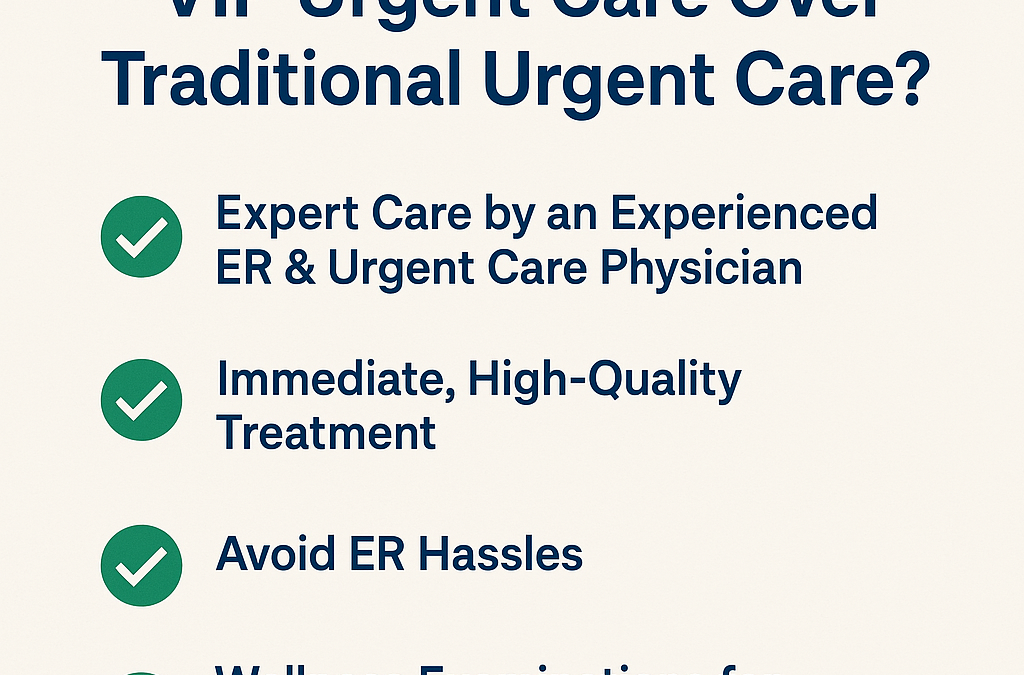
Why Choose Dr. Farah VIP Urgent Care Over Traditional Urgent Care?

Why Choose Dr. Farah VIP Urgent Care Over Traditional Urgent Care?


Tired of long waits, inconsistent care, and being seen by different mid-level providers at traditional urgent care centers? At Dr. Farah VIP Urgent Care, we offer personalized, physician-led urgent care that puts your health first.

✅ Expert Care by an Experienced ER & Urgent Care Physician

No mid-level providers, no guessing. You’ll be treated by Dr. Farah, a skilled board-certified physician with years of experience in emergency and urgent care.

✅ Immediate, High-Quality Treatment

We can handle 85-90% of acute injuries and urgent conditions that don’t require a hospital visit. Get the care you need right away, with no unnecessary wait.

✅ Avoid ER Hassles

Skip the 16-20 hour hospital wait, reduce exposure to infections, and avoid paying 10x more for the same care. At Dr. Farah VIP Urgent Care, we offer cost-effective, high-quality treatment in a timely manner.

✅ Wellness Examinations for Men and Women

In addition to urgent care, we also offer wellness examinations for both men and women, ensuring your overall health is always a priority. As a board-certified physician, Dr. Farah brings years of experience to each of these exams, giving you peace of mind and a comprehensive health check-up.

Your health deserves more than just a rushed visit—experience VIP urgent care with Dr. Farah.

📍 Same-Day Appointments Available!
Call or visit Dr Farah VIP Urgent Care today to schedule your appointment!

Urgent Care for Women’s Health

Urgent Care for Women’s Health

Women have unique healthcare needs that require accessible and timely medical attention. Urgent care centers have emerged as a vital part of the healthcare landscape, offering immediate care for a wide range of non-emergency health concerns. For women with busy lives, these centers provide a convenient and efficient option to address health issues that cannot wait for a primary care appointment but are not severe enough to warrant a visit to the hospital emergency room. This article explores the role of urgent care in addressing the specific health needs of women, highlighting the benefits and common conditions treated in these facilities.

Understanding Your Urgent Care Options for Women’s Health

Urgent care centers bridge the gap between primary care physicians and hospital emergency rooms. They are designed to treat illnesses and injuries that require prompt attention but are not life-threatening. Unlike primary care physicians who often require scheduled appointments, urgent care centers typically offer walk-in or same-day services with extended hours, making them a flexible option for immediate medical needs. Furthermore, compared to emergency rooms, urgent care visits generally involve shorter wait times and lower out-of-pocket expenses. This accessibility and affordability make urgent care a valuable resource for women seeking timely medical attention for acute health issues. Choosing an urgent care facility for specific women’s health needs offers several advantages, including the convenience of not needing an appointment, potentially shorter wait times, and lower costs compared to an emergency room. Some urgent care centers even have providers who specialize in women’s health, ensuring focused and expert care. Dr. Farah VIP Urgent Care aims to be a reliable local resource for women in need of immediate medical attention. While the website provides information about their acute care services and Dr. Farah’s expertise in emergency and family medicine , it is advisable to contact them directly to inquire about specific services tailored to women’s health. The increasing availability of urgent care centers has significantly improved healthcare access for women by offering a timely and cost-effective alternative to emergency rooms for many non-critical conditions. The data clearly positions urgent care as a more efficient option than the ER for many situations, and the benefits such as lower costs and shorter waits directly address common barriers to healthcare access. This trend reflects a growing recognition of the need for accessible and affordable immediate care that doesn’t necessitate an ER visit.

Addressing Common Women’s Health Concerns at Urgent Care

Urgent care centers are equipped to handle a variety of common health issues that frequently affect women. Urinary tract infections (UTIs) are a very common reason for women to seek urgent care. Symptoms such as frequent urination and a burning sensation during urination often prompt women to seek immediate relief. Urgent care facilities typically offer rapid on-site testing to diagnose UTIs and can prescribe antibiotics, the standard treatment for these bacterial infections. Vaginal infections, including yeast infections and bacterial vaginosis, are also routinely diagnosed and treated at urgent care centers. These infections can cause uncomfortable symptoms like itching and abnormal discharge, which can be effectively managed with antifungal creams or oral medications for yeast infections and antibiotics for bacterial vaginosis. Many urgent care facilities also provide confidential testing and evaluation for sexually transmitted infections (STIs/STDs). WHASN Women’s Urgent Care specifically offers STI/STD evaluation , and treatment can often be initiated once confirmatory testing is completed. For women experiencing non-emergency pregnancy-related issues, urgent care can be a suitable option for concerns like pregnancy tests, morning sickness with dehydration, and mild spotting. WHASN Women’s Urgent Care treats nausea and vomiting of pregnancy and first-trimester non-life-threatening bleeding. Menstrual concerns, such as irregular or painful periods, can also be initially evaluated in an urgent care setting, with providers potentially offering pain relief or further guidance. Additionally, urgent care centers can address other minor health issues affecting women, including mild abdominal pain, nausea, dizziness, and unusual spotting.   

Health Issue Brief Description
Urinary Tract Infections (UTIs) Bacterial infections of the bladder or urinary tract.
Yeast Infections Fungal infections causing vaginal itching, discharge, and irritation.
Bacterial Vaginosis (BV) An imbalance of bacteria in the vagina causing discharge and odor.
Sexually Transmitted Infections (STIs) Infections transmitted through sexual contact (testing and initial treatment).
Pregnancy Tests Confirmation of pregnancy through urine or blood tests.
Morning Sickness Nausea and vomiting associated with early pregnancy (mild to moderate).
Mild Vaginal Bleeding (Early Pregnancy) Light spotting in the first trimester not with severe pain.
Menstrual Concerns Initial evaluation for irregular periods or painful periods.
Mild Pelvic Pain Non-severe pain in the lower abdomen or pelvic region.
Nausea and Vomiting Acute episodes of nausea and vomiting (not related to severe conditions).
Dizziness Sudden onset of dizziness without signs of a serious neurological issue.
Unusual Spotting Unexpected light vaginal bleeding between periods.
Mastitis Inflammation of breast tissue, often associated with breastfeeding.

The wide range of women’s health concerns addressed in urgent care demonstrates the adaptability of these facilities to meet various immediate healthcare needs, providing a convenient first point of contact for many acute issues. The sheer number of conditions treated indicates a deliberate effort by urgent care providers to equip themselves to handle a significant portion of common acute health issues faced by women, making them a versatile healthcare option.

When Urgent Care is the Right Choice for Women

Knowing when to choose urgent care over other healthcare options is crucial for women. Urgent care is an appropriate choice for immediate medical attention for specific health concerns when a timely appointment with a primary care doctor or OB-GYN is not possible. It is suitable for medical problems that require quick attention but are not fatal or life-threatening. For pregnancy-related symptoms, urgent care can address manageable morning sickness or mild bleeding, but severe symptoms necessitate emergency care. It’s important to understand that urgent care centers are not for routine annual check-ups or ongoing follow-up care for chronic conditions; these are best addressed by a gynecologist. Recognizing the appropriate use cases for urgent care empowers women to seek the right level of care at the right time, potentially saving them time, money, and unnecessary stress associated with ER visits for non-emergencies. The explicit guidance helps to define the boundaries of urgent care services, ensuring that women choose the most appropriate healthcare setting for their specific situation, leading to more efficient and effective care.   

What to Expect During Your Urgent Care Visit for Women’s Health

A woman’s visit to an urgent care center typically involves several steps. Upon arrival, patients check in and provide their medical history and insurance information. Their vital signs, such as blood pressure, heart rate, and temperature, are usually taken by a nurse or medical assistant. Following this, a physician or other healthcare provider will conduct a medical examination to assess the patient’s symptoms and condition. For women’s health concerns, this might include a pelvic exam, especially in cases of suspected infections or other gynecological issues. Depending on the symptoms, the provider may order additional tests, such as urine tests for UTIs or pregnancy, blood tests for STIs or other infections, or swabs for vaginal infections. Once the diagnosis is made, the provider will discuss the treatment options with the patient, which may include prescriptions for medications like antibiotics or antifungals, or recommendations for over-the-counter remedies. Providing a clear picture of what to expect during an urgent care visit can help alleviate anxiety and prepare women for the process, fostering a more comfortable and cooperative patient experience. By outlining the typical steps involved, from initial assessment to potential testing and treatment, the article can demystify the process, leading to reduced apprehension and a more positive interaction with the healthcare provider.   

Treatment of Urinary Tract Infections (UTI) in Urgent Care

Urgent care centers play a crucial role in the diagnosis and management of urinary tract infections (UTIs) in women. As mentioned earlier, UTIs are a frequent reason for women to seek immediate medical attention. The process typically begins with a urine test to confirm the presence of a bacterial infection. Many urgent care facilities have on-site laboratories, allowing for quick results and a prompt diagnosis. The standard treatment for a UTI is a course of antibiotics, which are usually prescribed during the urgent care visit. Providers may also offer advice on pain management and preventative measures to reduce the likelihood of future infections. The efficient diagnosis and treatment of UTIs in urgent care settings, often with on-site testing and immediate antibiotic prescriptions, offer significant relief to women experiencing the uncomfortable symptoms and help prevent potential complications, such as the infection spreading to the kidneys.   

Minor Women’s Issues (Yeast Infections, Mild Pelvic Pain) and Urgent Care’s Role

Besides UTIs, urgent care centers are well-equipped to handle other common, non-emergency gynecological concerns in women. Yeast infections, characterized by vaginal itching, burning, and discharge, can be diagnosed through a physical examination and sometimes a vaginal swab. Treatment typically involves antifungal creams or suppositories, which can often be prescribed or provided during the urgent care visit. Bacterial vaginosis (BV), another common vaginal infection with symptoms like abnormal discharge and a fishy odor, can also be diagnosed and treated with antibiotics, either oral or topical, at an urgent care facility. For women experiencing mild pelvic pain, urgent care providers can perform a pelvic exam to assess the symptoms and rule out more serious conditions. They can offer initial management strategies, such as pain relievers, and may provide referrals to a gynecologist for further evaluation if necessary. Urgent care serves as a convenient and accessible first line of defense for women experiencing common minor gynecological issues, providing timely diagnosis and treatment without the often longer wait times associated with scheduling an appointment with a gynecologist. This accessibility is particularly beneficial when symptoms arise outside of regular office hours or when a woman cannot secure a prompt appointment with her regular gynecologist, allowing for quicker relief and preventing potential worsening of the condition.   

Privacy and Comfort for Female Patients in Urgent Care

Patient privacy and comfort are paramount in any healthcare setting, and urgent care centers are no exception, especially when addressing women’s health concerns. Healthcare providers are legally and ethically obligated to protect the privacy of patient information, as mandated by regulations like HIPAA. This includes ensuring that all medical records and communications are kept confidential. To enhance patient comfort, many urgent care centers strive to create a welcoming and reassuring environment. This can involve having friendly and empathetic staff , providing private examination rooms, and ensuring that patients feel heard and respected. For some women, the presence of a female physician can significantly increase their comfort level, particularly when discussing sensitive gynecological issues. While the website for Dr. Farah VIP Urgent Care does not explicitly state the gender of all providers, if a female physician like Dr. Farah is available, it can be a significant factor in making female patients feel more at ease. Urgent care facilities that prioritize patient privacy and create a comfortable and reassuring environment, potentially including female healthcare providers, can better meet the specific needs and preferences of women seeking medical attention, fostering trust and encouraging them to seek timely care.   

Immediate Access to Care for Sudden Women’s Health Concerns

Women may experience sudden health concerns that require prompt medical attention but are not severe enough for an emergency room visit. Urgent care centers are designed to provide this immediate access to care. Examples of such situations include sudden and severe menstrual pain that is significantly worse than usual, abnormal vaginal discharge that is new or concerning, and suspicion of a vaginal infection like a yeast infection or bacterial vaginosis. Early pregnancy symptoms, such as morning sickness with dehydration or mild vaginal spotting, can also be addressed in urgent care. Additionally, conditions like pelvic pain and abnormal uterine bleeding are reasons why women might seek urgent care. The availability of urgent care centers offers a critical safety net for women experiencing sudden, non-life-threatening health issues, providing timely medical evaluation and treatment that can alleviate discomfort and prevent potential complications.   

Knowing When to See a Gynecologist Instead of Urgent Care

While urgent care centers are valuable for addressing immediate health concerns, it’s important for women to know when consulting a gynecologist is more appropriate. Gynecologists specialize in women’s reproductive health and provide comprehensive care, including routine annual pelvic exams, Pap smears, and screenings for gynecological cancers. They also manage chronic gynecological conditions such as endometriosis, polycystic ovary syndrome (PCOS), and uterine fibroids. For ongoing prenatal care and management of pregnancy-related complications beyond the initial stages or non-severe symptoms, an OB-GYN should be consulted. Urgent care centers typically do not offer these routine or specialized services. Therefore, while urgent care is excellent for acute, non-emergency issues, a gynecologist should be the primary point of contact for routine preventative care and the management of chronic or complex gynecological conditions. Recognizing the difference between the acute care focus of urgent care and the comprehensive and preventative care offered by a gynecologist is essential for women to navigate the healthcare system effectively and ensure they receive the most appropriate care for their specific needs.   

Condition/Symptom Urgent Care Gynecologist Emergency Room
Urinary Tract Infection (UTI) Yes, for diagnosis and treatment. No, unless it’s a recurring issue or part of a broader gynecological concern. No, unless accompanied by severe symptoms like high fever or back pain.
Yeast Infection/Bacterial Vaginosis Yes, for diagnosis and treatment. No, often managed in primary care or urgent care. No, unless severe symptoms or complications arise.
Mild Pelvic Pain Yes, for initial evaluation and management. Yes, especially if persistent or related to a known gynecological condition. No, unless severe and sudden, potentially indicating a serious condition.
STD Testing Yes, for testing and initial treatment. Yes, for comprehensive sexual health screenings and management. No, unless experiencing severe symptoms related to an infection.
Pregnancy Test/Morning Sickness Yes, for confirmation and management of mild to moderate symptoms. Yes, as part of routine prenatal care. No, unless severe vomiting, dehydration, or other serious pregnancy complications.
Annual Check-up/Pap Smear Yes, WWE or annual check up for PPO insurances with prior authorization. Yes, for routine preventative care. No.
Heavy Vaginal Bleeding Initial assessment, but may refer to ER or gynecologist depending on severity. Yes, for evaluation and management of abnormal bleeding. Yes, especially if accompanied by pain, dizziness, or fever.
Severe Abdominal/Pelvic Pain Initial assessment, but likely will refer to ER for serious conditions. Yes, to investigate potential gynecological causes. Yes, as it could indicate a life-threatening condition like ectopic pregnancy.
Contraception Consultation/Refill Yes, for initial consultation and potentially refills. Yes, for comprehensive birth control options and management. No.
Follow-up for Chronic Gynecological Conditions No. Yes, for ongoing management of conditions like endometriosis or PCOS. No.
Urgent Care for Women's Health

Urgent Care for Women’s Health

Conclusion: Your Health is Our Priority at Dr. Farah VIP Urgent Care

Access to timely and appropriate healthcare is essential for women’s well-being. Urgent care centers provide a valuable option for addressing immediate, non-emergency health concerns, offering convenience, affordability, and often specialized care. Dr. Farah VIP Urgent Care aims to be a trusted resource for women seeking such care, committed to providing high-quality, compassionate medical attention in a comfortable and private setting. By understanding the role of urgent care and when to seek its services, women can make informed decisions about their healthcare needs and ensure they receive the right care at the right time.