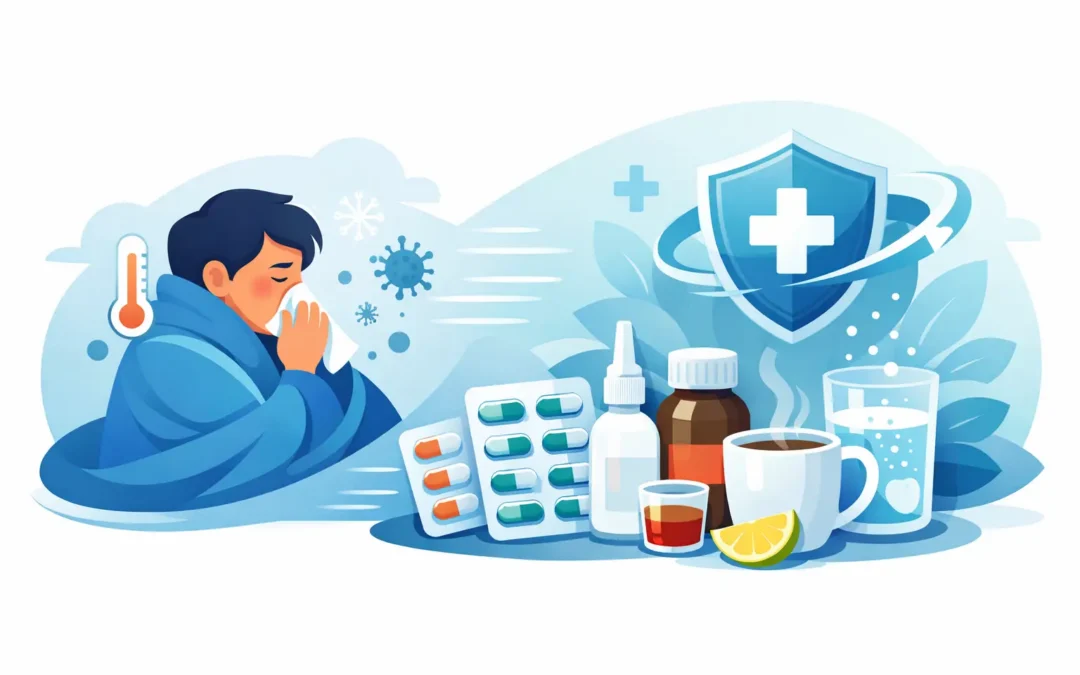
You wake up with a sore throat, body aches, and that heavy, foggy feeling that makes even simple tasks seem like too much. When your schedule is full, your family depends on you, or travel is coming up, waiting it out is not an appealing plan. Fast treatment for cold and flu is not about gimmicks or overpromising. It is about getting the right care early, easing symptoms quickly, and knowing when a routine illness may need a physician’s attention.
The first thing to understand is that colds and influenza can feel similar at the start, but they do not always behave the same way. A common cold often comes on gradually, with congestion, sneezing, mild fatigue, and throat irritation. The flu tends to hit harder and faster, often with fever, chills, muscle aches, headache, significant fatigue, and a more abrupt sense that you have been knocked off your feet. That difference matters because timing can affect treatment options.
What fast treatment for cold and flu really means
For most adults, the fastest path to feeling better is a combination of accurate evaluation, symptom relief, hydration, rest, and early medical treatment when appropriate. There is no single cure that makes every cold or flu vanish overnight. What does help is reducing the strain on your body, controlling the symptoms that keep you miserable, and catching complications before they drag out recovery.
This is where many people lose time. They assume every upper respiratory illness is the same, self-treat for several days, then seek care only after symptoms worsen. In some cases, that is reasonable. In others, especially with influenza, early physician-directed treatment can shorten the illness and reduce the risk of complications.
The fastest relief starts with the right diagnosis
If your symptoms are mild, home care may be enough. But if you have a high fever, chest tightness, wheezing, dehydration, worsening cough, severe fatigue, or symptoms that came on suddenly and intensely, a medical evaluation can be the difference between a difficult few days and a much longer recovery.
A physician can assess whether you are dealing with a cold, influenza, COVID-19, bronchitis, strep throat, sinus infection, or another issue that only looks similar at first. That matters because treatment decisions are different. Antiviral medication may help flu when started early. Antibiotics do not treat a viral cold or flu, but they may be needed if a secondary bacterial infection develops. Supportive care also changes based on your symptoms, medical history, age, and risk factors.
For busy adults who want a more precise and comfortable care experience, physician-led urgent care can offer faster answers without the impersonal feel of a crowded walk-in setting. At Dr. Farah VIP Urgent Care, that patient-focused approach is designed to give people prompt attention and individualized treatment when feeling awful is already disruptive enough.
Home strategies that actually help
Many cold and flu symptoms improve with simple measures, but the details matter. Hydration helps loosen mucus, supports circulation, and can reduce the drained, headachy feeling that comes with fever or poor intake. Rest is not optional if you want to recover efficiently. Pushing through work meetings, workouts, or errands often prolongs symptoms.
Over-the-counter medications can also play a useful role. Acetaminophen or ibuprofen may ease fever, headache, sore throat, and body aches. A decongestant may reduce nasal pressure, though it is not right for everyone, especially people with high blood pressure or certain heart conditions. Cough suppressants and expectorants can help in some cases, but the best choice depends on whether your cough is dry, disruptive, or productive.
Warm fluids, saline nasal spray, honey for cough in adults, and humidified air can all provide symptom relief. None of these are glamorous, but they are often effective. The trade-off is that home care works best for mild to moderate illness. If symptoms are escalating, comfort measures alone may not be enough.
When IV hydration can make a real difference
If you are not keeping up with fluids because of fever, nausea, poor appetite, or general exhaustion, dehydration can make everything feel worse. You may notice dizziness, a dry mouth, darker urine, weakness, or a pounding headache. In that setting, physician-supervised IV hydration may provide faster relief than trying to catch up slowly at home.
This is not necessary for every cold or flu. But for patients who feel depleted, need support recovering more comfortably, or want a more efficient path back to baseline, IV hydration can be a valuable part of care. It is especially relevant when fatigue and dehydration are driving the misery as much as the virus itself.
When prescription treatment may speed recovery
Influenza is one of the clearest examples of why timing matters. Antiviral medication is generally most helpful when started within the first 48 hours of flu symptoms. It may reduce symptom duration and lower the risk of certain complications, particularly in older adults, people with chronic medical conditions, and those who get very sick very quickly.
That does not mean everyone with a cough needs a prescription. A cold caused by a rhinovirus or similar virus will not improve with antivirals meant for flu. And antibiotics should not be used simply because you feel miserable. Unnecessary antibiotics can cause side effects and contribute to resistance, while doing nothing for the virus itself.
The more thoughtful approach is targeted treatment. A physician evaluates the pattern of symptoms, your risk level, your exam findings, and whether testing is appropriate. That kind of precision is often the fastest route to feeling better because it avoids the guesswork.
Signs your cold or flu needs urgent medical attention
Some symptoms should not be brushed off as part of a routine virus. Shortness of breath, chest pain, confusion, persistent high fever, bluish lips, severe dehydration, or symptoms that improve and then sharply worsen may point to a more serious problem. The same is true if you have asthma, COPD, diabetes, heart disease, a weakened immune system, or are pregnant.
There is also a gray area that many adults recognize well: you are not in obvious danger, but you are getting sicker instead of better. Maybe your cough is settling deeper in the chest. Maybe sinus pressure has turned into facial pain and thick drainage. Maybe your sore throat is severe enough that swallowing is difficult. These are reasonable moments to stop self-managing and get evaluated.
Fast treatment for cold and flu in high-risk patients
If you are in a higher-risk group, speed matters even more. Early evaluation can help identify influenza, pneumonia, bronchitis, dehydration, or a secondary bacterial infection before it becomes more disruptive. It can also guide safer medication choices if you take regular prescriptions or have underlying conditions.
This is one place where personalized care stands out. A one-size-fits-all recommendation may miss the nuances that matter for your health history. A physician-directed plan can account for your symptoms, medical background, schedule, and recovery goals.
What usually slows recovery down
A lot of people seek fast treatment for cold and flu after trying to power through the first few days. Unfortunately, that approach often backfires. Dehydration, poor sleep, alcohol, intense exercise, and returning to full-speed activity too soon can all prolong fatigue and congestion.
Another common mistake is stacking multiple cold medicines without checking the ingredients. Many products already contain acetaminophen or a decongestant, so doubling up can happen more easily than people realize. If you are using several remedies at once, it is worth having a physician or pharmacist review them.
There is also the issue of expectations. Even excellent care does not erase every symptom in a few hours. The goal is to reduce severity, support recovery, and watch for signs that the diagnosis or treatment plan needs to change.
A more effective way to recover
The best care for a cold or flu feels calm, responsive, and specific to what your body needs. Sometimes that means home treatment and rest. Sometimes it means coming in promptly for an exam, testing, medication, or hydration support. The key is not to wait until you are completely depleted before getting help.
If you are looking for fast treatment for cold and flu, think less about miracle cures and more about smart timing. Early attention, physician-guided decisions, and supportive care that matches your symptoms can help you recover with less discomfort and fewer setbacks. When you are treated with precision and genuine attentiveness, getting better tends to feel a little more manageable and a lot less frustrating.
A good recovery plan should leave you feeling cared for, not rushed – because when illness interrupts your life, comfort and clinical judgment both matter.