Meta Description: Discover your best options for urgent care in Los Angeles. Learn when to walk in or book an appointment at Dr. Farah’s VIP Urgent Care for efficient, quality healthcare with minimal wait times.
1. Introduction: Navigating Your Urgent Care Options in Los Angeles
When the need for immediate medical attention arises for non-life-threatening conditions, many individuals face a common dilemma: should I walk into a clinic without an appointment, or should I try to schedule one? Making an informed decision in these moments is crucial for receiving timely and efficient care. Understanding the available options can alleviate anxiety and provide patients with the necessary reassurance.
Dr. Farah’s VIP Urgent Care in Los Angeles stands as a leading provider in this space, offering both the flexible walk-in option and the convenience of scheduled appointments. This article aims to clarify these choices, helping patients determine the best course of action for their healthcare needs. This approach empowers patients to have more control over their healthcare experience, which is invaluable during stressful times. This guide serves as a clear, reliable resource, helping you confidently access the immediate care you need in Los Angeles.
2. Understanding Urgent Care: Beyond the Emergency Room
Urgent care serves as a vital bridge between a primary care physician’s office and a hospital emergency department. These centers are designed to address non-life-threatening conditions that require prompt attention, allowing patients to avoid the long waits and high costs of an ER for issues that don’t necessitate emergency-level care.
What Services Does Urgent Care Provide?
Dr. Farah’s VIP Urgent Care offers a comprehensive range of services for minor illnesses and injuries. These include treatment for fevers, sprains, minor cuts, infections, flu symptoms, and sore throats. Additionally, these centers can perform physical exams for various purposes such as employment, sports participation, or school requirements, as well as administer vaccinations like flu shots.
Why Choose Urgent Care Over the ER?
One of the primary reasons to opt for urgent care is its cost-effectiveness. The cost of a visit to an urgent care center is often comparable to a primary care physician’s office visit and significantly less than an ER visit for non-emergency conditions. In fact, your co-payment at Dr. Farah’s VIP Urgent Care is typically the same amount you would pay at your regular doctor’s office. This makes urgent care an affordable and accessible option, especially for individuals with limited access to their primary care physician or when their doctor’s office is closed.
Dr. Farah’s VIP Urgent Care distinguishes itself from a typical walk-in clinic by being staffed by Board Certified Emergency Room doctors and possessing advanced capabilities such as on-site X-ray equipment and the ability to manage complex fractures (including resetting broken bones). These extensive capabilities offer patients a higher level of expertise and confidence, ensuring that the care received is not only prompt but also comprehensive and of high quality.
3. The Freedom of Walk-In Care at Dr. Farah’s LA Urgent Care
Walk-in access is one of the core advantages of urgent care centers, providing flexibility and immediate access for those needing prompt medical attention. This option allows patients to receive services at their convenience, without the need to commit to a specific time slot.
Immediate Care, No Appointment Needed
At Dr. Farah’s VIP Urgent Care, walk-in visits are a primary option, providing immediate medical attention without the need for prior scheduling. This feature is ideal for unexpected health concerns or busy schedules that don’t allow for advance planning. Dr. Farah’s center is committed to seeing walk-in patients quickly. This freedom and spontaneity in receiving care are particularly appealing for individuals with unpredictable schedules, making the healthcare experience less stressful and more convenient. This approach allows patients to fit healthcare into their busy lives, without the need for rigid, pre-determined planning.
Ideal Scenarios for a Walk-In Visit
A walk-in visit can be the best choice in several situations:
Sudden Illnesses: If you wake up with sudden symptoms like a sore throat, fever, or other acute illnesses, walk-in clinics are ready to help.
Minor Injuries: For non-life-threatening injuries such as sprains, strains, minor cuts, or rashes, a walk-in visit can be the quickest way to receive care.
Vaccinations and Quick Screenings: For flu shots or other immunizations and health screenings, you can simply walk in.
Primary Care Physician Unavailability: When your primary care doctor is unavailable, fully booked, or their office is closed, a walk-in clinic offers an excellent alternative.
Individuals Without a PCP: For patients who do not have a primary care physician, walk-in clinics can provide a pathway to quality care.
4. Strategic Choice: Scheduling an Appointment at Urgent Care
While urgent care is renowned for its walk-in services, the option to schedule an appointment also offers significant advantages, particularly for specific conditions or patient preferences. This option helps manage patient flow and enhances the overall experience.
Benefits of Scheduling an Appointment
Booking an appointment at Dr. Farah’s VIP Urgent Care contributes to a smoother healthcare experience in several ways:
Reduced Wait Times: One of the most significant benefits of scheduling an appointment is eliminating uncertainty and long queues. By having a specific time slot, patients can expect a more streamlined experience.
Optimized Resource Management: Appointment systems allow the clinic to allocate the right number of staff members based on expected patient demand. This ensures adequate staffing during peak hours and prevents understaffing during busy periods. Additionally, resources, including equipment and treatment rooms, are managed more effectively, reducing downtime and optimizing resource utilization.
Structured Experience: For patients who prefer a defined schedule, an appointment provides a structured experience that can reduce stress and improve satisfaction. This approach helps Dr. Farah’s clinic uphold its claim of “short wait times, usually less than 20 minutes until you are seen”.
When Does Scheduling an Appointment Make Sense?
In certain scenarios, scheduling an appointment can be a more strategic choice:
Non-Urgent Concerns and Persistent Symptoms: For issues that are not immediate, such as discussing long-term treatment plans or addressing minor but persistent symptoms, scheduling an appointment allows for a detailed conversation with healthcare providers.
Guaranteed Time Preference: If you prefer a guaranteed time slot and minimal waiting, booking an appointment is the best course of action.
Routine Exams and Vaccinations: Annual physical exams and routine check-ups should be scheduled in advance. These appointments allow for a comprehensive review of your health, necessary screenings, and discussion of any concerns.
Follow-Up Care: While urgent care centers are not a substitute for a primary care physician, for issues requiring follow-up or a more structured discussion, scheduling an appointment can aid in continuity of care.
5. Demystifying Wait Times at Dr. Farah’s Urgent Care
Wait times are a common concern for patients seeking urgent care. Understanding the factors that influence wait times and being aware of a clinic’s commitment to efficiency can help manage expectations and improve the patient experience.
Factors Influencing Your Wait Time
Wait times at urgent care centers can vary. Several factors contribute to these fluctuations:
Patient Volume and Peak Hours: Like any healthcare setting, urgent care clinics experience busy periods. Evenings, weekends, holidays, and seasonal peaks for illnesses like flu, allergies, or surges in COVID-19 cases typically see a higher volume of walk-in patients.
Complexity of Cases: Not all urgent care visits are the same. Some patients come in for a simple strep test or a flu shot, while others require more involved care, such as laceration repairs, X-rays for sprains, or diagnostic testing for infections. These more complex visits demand additional time and resources, which can affect how quickly the queue moves.
Staffing and Provider Availability: The availability of staff and healthcare providers can impact patient flow. Unexpected staff absences or increased demand can lead to longer wait times.
Insurance and Paperwork Processing: The check-in and insurance verification process can contribute to wait times, especially for first-time visitors. Ensuring paperwork is correctly completed and insurance is up-to-date helps front desk staff process your visit smoothly.
Our Commitment to Short Wait Times
Despite these factors, Dr. Farah’s VIP Urgent Care is committed to providing short wait times. The clinic specifically states, “short wait times, usually less than 20 minutes until you are seen”. This is a significant competitive advantage, reassuring patients that they will receive prompt urgent care. This goal is achieved through efficient processes, dedicated staff (Board Certified Emergency Room doctors), and modern facilities. This commitment to transparency regarding wait times helps manage patient expectations and builds trust in the center.
6. Common Myths Debunked: What You Need to Know About Urgent Care
The concept of urgent care is often surrounded by common misconceptions that can deter patients from seeking appropriate care. By debunking these myths, we can provide a clear understanding of the services offered at Dr. Farah’s VIP Urgent Care and enhance confidence in the quality and scope of their care.
Here are some of the most common myths about urgent care and the realities behind them:
Myth
Reality
Dr. Farah’s Advantage
Urgent care is only for emergencies.
Urgent care addresses non-life-threatening conditions requiring prompt attention, preventing unnecessary ER visits.
Our Board Certified Emergency Room doctors treat a wide range of minor illnesses and injuries with the highest quality.
Urgent care is more expensive than a PCP or ER.
Costs are often comparable to a PCP visit and significantly less than an ER for non-emergencies.
Our co-payment is typically the same as your regular doctor’s office.
Urgent care compromises on quality of care.
Urgent care centers, including Dr. Farah’s, are staffed by highly trained medical professionals and Board Certified Emergency Room doctors.
Our Board Certified Emergency Room doctors provide comprehensive, high-quality care with advanced facilities, including X-rays and lab tests.
You need an appointment for an urgent care visit.
Urgent care clinics are designed to accommodate walk-in patients, offering immediate care without prior scheduling.
We always welcome walk-in patients, providing immediate care without the need for an appointment.
Urgent care is only for adults.
Many urgent care facilities, including Dr. Farah’s, offer pediatric services and are equipped to treat children of all ages.
Our center is pediatric-friendly and addresses the medical needs of children.
Urgent care clinics don’t provide follow-up care.
While not a substitute for a PCP, urgent care centers often share results and treatment plans with your PCP to ensure continuity of care.
We are committed to coordinating care with your primary care physician to ensure a seamless transition.
Debunking these misunderstandings helps patients make informed decisions about their healthcare needs. Dr. Farah’s VIP Urgent Care, by offering Board Certified Emergency Room doctors and advanced facilities, operates beyond the general expectations of urgent care, providing a high level of expertise and reliability.
7. Making the Right Choice: Walk-In or Appointment for Your Needs?
Deciding between a walk-in visit and scheduling an appointment depends on your immediate needs and personal preferences. Dr. Farah’s VIP Urgent Care offers both options to ensure efficient and convenient care. This quick guide will help you determine the best choice for your situation.
Feature
Walk-In Visit
Scheduled Appointment
Planning
No appointment needed, immediate access
Pre-scheduled
Wait Time
Potentially variable, but Dr. Farah’s aims for under 20 minutes
Minimal and predictable
Ideal For
Sudden illnesses, minor injuries, vaccinations , when PCP is unavailable
Immediate Attention Needed: If you require prompt attention for a sudden, non-life-threatening illness or minor injury.
Unexpected Circumstances: When your condition is unexpected and you cannot plan in advance.
PCP Unavailability: If your primary care physician is unavailable or you do not have one.
Maximum Flexibility: When you prefer maximum flexibility and are comfortable with a potentially short wait.
When to Choose a Scheduled Appointment:
Guaranteed Time: If you prefer a guaranteed time slot and minimal waiting.
Non-Urgent Concerns: For non-urgent concerns or minor but persistent symptoms that require a detailed discussion.
Routine Check-ups: For routine exams, physicals, or vaccinations.
Optimized Resource Management: When you want to ensure optimal resource allocation for your visit.
Dr. Farah’s VIP Urgent Care is equipped to handle both scenarios seamlessly, ensuring that patients receive high-quality care regardless of their chosen method.
8. Experience the Difference: Why Choose Dr. Farah’s VIP Urgent Care?
Dr. Farah’s VIP Urgent Care in Los Angeles distinguishes itself through its unwavering commitment to excellence in patient care. It goes beyond being a typical urgent care center, offering a comprehensive and high-quality healthcare experience that caters to the diverse needs of its patients.
Our Unique Approach to Patient Care
Board Certified Emergency Room Doctors: One of Dr. Farah’s most significant strengths is that it is “staffed by only Board Certified, Emergency Room doctors”. This ensures that patients receive care from professionals who are highly trained in diagnosing and treating a wide range of acute conditions, offering a higher level of expertise and assurance than many typical urgent care or walk-in clinics.
Short Wait Times: The center consistently maintains “short wait times, usually less than 20 minutes until you are seen”. This is a significant advantage for those seeking immediate care and wishing to avoid the prolonged waits often experienced in other healthcare settings.
Modern and Luxurious Facilities: The clinic boasts “new, clean, luxurious facilities” that can provide many hospital ER services. This environment not only enhances patient comfort but also reflects a commitment to delivering a “VIP” experience in every aspect of care.
Comprehensive Capabilities: Beyond treating minor illnesses and injuries, Dr. Farah’s has the “ability to handle Complex Fractures, including resetting broken bones”. This extended capability significantly broadens the scope of care provided, making it a more comprehensive option than a standard walk-in clinic.
Pediatric Friendly: Parents can be confident that “children of all ages” are welcomed and cared for at Dr. Farah’s center. This feature provides peace of mind for families, ensuring that quality care is accessible to all family members.
Extended Hours: The clinic is open 7 days a week with convenient hours , providing accessibility during times when primary care offices may be closed.
Services Offered at Our Los Angeles Clinic
Dr. Farah’s VIP Urgent Care offers a wide array of services to address various medical needs, including:
Treatment for minor injuries and illnesses
Physical exams (sports, school, employment)
Vaccinations (e.g., flu shots)
Lab tests
X-rays
These distinguishing features make Dr. Farah’s VIP Urgent Care the premier choice for urgent care in Los Angeles, offering a blend of expertise, efficiency, and a patient-centric experience.
9. Conclusion: Your Health, Your Choice, Our Care
Ultimately, Dr. Farah’s VIP Urgent Care in Los Angeles empowers patients to take control of their health by providing flexible and efficient healthcare options. Whether you choose to walk in for an immediate, unexpected need or schedule an appointment for a planned visit, the clinic is committed to delivering high-quality, compassionate care.
With Board Certified Emergency Room doctors, short wait times, modern facilities, and the ability to handle a wide range of conditions, Dr. Farah’s stands as a beacon of reliable healthcare in Los Angeles. The center not only addresses immediate medical needs but also empowers patients by being transparent about wait times and debunking common misconceptions. The choice between a walk-in and an appointment is yours, but the assurance of exceptional care is always consistent at Dr. Farah’s VIP Urgent Care.
To learn more, check current wait times, or schedule an appointment, please visit our website at drfarahvipurgentcare.com. Your health is our priority, and we are here to provide the care you need, when you need it.
Tired of long waits, inconsistent care, and being seen by different mid-level providers at traditional urgent care centers? At Dr. Farah VIP Urgent Care, we offer personalized, physician-led urgent care that puts your health first.
Expert Care by an Experienced ER & Urgent Care Physician
No mid-level providers, no guessing. You’ll be treated by Dr. Farah, a skilled board-certified physician with years of experience in emergency and urgent care.
Immediate, High-Quality Treatment
We can handle 85-90% of acute injuries and urgent conditions that don’t require a hospital visit. Get the care you need right away, with no unnecessary wait.
Avoid ER Hassles
Skip the 16-20 hour hospital wait, reduce exposure to infections, and avoid paying 10x more for the same care. At Dr. Farah VIP Urgent Care, we offer cost-effective, high-quality treatment in a timely manner.
Wellness Examinations for Men and Women
In addition to urgent care, we also offer wellness examinations for both men and women, ensuring your overall health is always a priority. As a board-certified physician, Dr. Farah brings years of experience to each of these exams, giving you peace of mind and a comprehensive health check-up.
Your health deserves more than just a rushed visit—experience VIP urgent care with Dr. Farah.
Same-Day Appointments Available!
Call or visit Dr Farah VIP Urgent Care today to schedule your appointment!
Women have unique healthcare needs that require accessible and timely medical attention. Urgent care centers have emerged as a vital part of the healthcare landscape, offering immediate care for a wide range of non-emergency health concerns. For women with busy lives, these centers provide a convenient and efficient option to address health issues that cannot wait for a primary care appointment but are not severe enough to warrant a visit to the hospital emergency room. This article explores the role of urgent care in addressing the specific health needs of women, highlighting the benefits and common conditions treated in these facilities.
Understanding Your Urgent Care Options for Women’s Health
Urgent care centers bridge the gap between primary care physicians and hospital emergency rooms. They are designed to treat illnesses and injuries that require prompt attention but are not life-threatening. Unlike primary care physicians who often require scheduled appointments, urgent care centers typically offer walk-in or same-day services with extended hours, making them a flexible option for immediate medical needs. Furthermore, compared to emergency rooms, urgent care visits generally involve shorter wait times and lower out-of-pocket expenses. This accessibility and affordability make urgent care a valuable resource for women seeking timely medical attention for acute health issues. Choosing an urgent care facility for specific women’s health needs offers several advantages, including the convenience of not needing an appointment, potentially shorter wait times, and lower costs compared to an emergency room. Some urgent care centers even have providers who specialize in women’s health, ensuring focused and expert care. Dr. Farah VIP Urgent Care aims to be a reliable local resource for women in need of immediate medical attention. While the website provides information about their acute care services and Dr. Farah’s expertise in emergency and family medicine , it is advisable to contact them directly to inquire about specific services tailored to women’s health. The increasing availability of urgent care centers has significantly improved healthcare access for women by offering a timely and cost-effective alternative to emergency rooms for many non-critical conditions. The data clearly positions urgent care as a more efficient option than the ER for many situations, and the benefits such as lower costs and shorter waits directly address common barriers to healthcare access. This trend reflects a growing recognition of the need for accessible and affordable immediate care that doesn’t necessitate an ER visit.
Addressing Common Women’s Health Concerns at Urgent Care
Urgent care centers are equipped to handle a variety of common health issues that frequently affect women. Urinary tract infections (UTIs) are a very common reason for women to seek urgent care. Symptoms such as frequent urination and a burning sensation during urination often prompt women to seek immediate relief. Urgent care facilities typically offer rapid on-site testing to diagnose UTIs and can prescribe antibiotics, the standard treatment for these bacterial infections. Vaginal infections, including yeast infections and bacterial vaginosis, are also routinely diagnosed and treated at urgent care centers. These infections can cause uncomfortable symptoms like itching and abnormal discharge, which can be effectively managed with antifungal creams or oral medications for yeast infections and antibiotics for bacterial vaginosis. Many urgent care facilities also provide confidential testing and evaluation for sexually transmitted infections (STIs/STDs). WHASN Women’s Urgent Care specifically offers STI/STD evaluation , and treatment can often be initiated once confirmatory testing is completed. For women experiencing non-emergency pregnancy-related issues, urgent care can be a suitable option for concerns like pregnancy tests, morning sickness with dehydration, and mild spotting. WHASN Women’s Urgent Care treats nausea and vomiting of pregnancy and first-trimester non-life-threatening bleeding. Menstrual concerns, such as irregular or painful periods, can also be initially evaluated in an urgent care setting, with providers potentially offering pain relief or further guidance. Additionally, urgent care centers can address other minor health issues affecting women, including mild abdominal pain, nausea, dizziness, and unusual spotting.
Health Issue
Brief Description
Urinary Tract Infections (UTIs)
Bacterial infections of the bladder or urinary tract.
Yeast Infections
Fungal infections causing vaginal itching, discharge, and irritation.
Bacterial Vaginosis (BV)
An imbalance of bacteria in the vagina causing discharge and odor.
Sexually Transmitted Infections (STIs)
Infections transmitted through sexual contact (testing and initial treatment).
Pregnancy Tests
Confirmation of pregnancy through urine or blood tests.
Morning Sickness
Nausea and vomiting associated with early pregnancy (mild to moderate).
Mild Vaginal Bleeding (Early Pregnancy)
Light spotting in the first trimester not with severe pain.
Menstrual Concerns
Initial evaluation for irregular periods or painful periods.
Mild Pelvic Pain
Non-severe pain in the lower abdomen or pelvic region.
Nausea and Vomiting
Acute episodes of nausea and vomiting (not related to severe conditions).
Dizziness
Sudden onset of dizziness without signs of a serious neurological issue.
Unusual Spotting
Unexpected light vaginal bleeding between periods.
Mastitis
Inflammation of breast tissue, often associated with breastfeeding.
The wide range of women’s health concerns addressed in urgent care demonstrates the adaptability of these facilities to meet various immediate healthcare needs, providing a convenient first point of contact for many acute issues. The sheer number of conditions treated indicates a deliberate effort by urgent care providers to equip themselves to handle a significant portion of common acute health issues faced by women, making them a versatile healthcare option.
When Urgent Care is the Right Choice for Women
Knowing when to choose urgent care over other healthcare options is crucial for women. Urgent care is an appropriate choice for immediate medical attention for specific health concerns when a timely appointment with a primary care doctor or OB-GYN is not possible. It is suitable for medical problems that require quick attention but are not fatal or life-threatening. For pregnancy-related symptoms, urgent care can address manageable morning sickness or mild bleeding, but severe symptoms necessitate emergency care. It’s important to understand that urgent care centers are not for routine annual check-ups or ongoing follow-up care for chronic conditions; these are best addressed by a gynecologist. Recognizing the appropriate use cases for urgent care empowers women to seek the right level of care at the right time, potentially saving them time, money, and unnecessary stress associated with ER visits for non-emergencies. The explicit guidance helps to define the boundaries of urgent care services, ensuring that women choose the most appropriate healthcare setting for their specific situation, leading to more efficient and effective care.
What to Expect During Your Urgent Care Visit for Women’s Health
A woman’s visit to an urgent care center typically involves several steps. Upon arrival, patients check in and provide their medical history and insurance information. Their vital signs, such as blood pressure, heart rate, and temperature, are usually taken by a nurse or medical assistant. Following this, a physician or other healthcare provider will conduct a medical examination to assess the patient’s symptoms and condition. For women’s health concerns, this might include a pelvic exam, especially in cases of suspected infections or other gynecological issues. Depending on the symptoms, the provider may order additional tests, such as urine tests for UTIs or pregnancy, blood tests for STIs or other infections, or swabs for vaginal infections. Once the diagnosis is made, the provider will discuss the treatment options with the patient, which may include prescriptions for medications like antibiotics or antifungals, or recommendations for over-the-counter remedies. Providing a clear picture of what to expect during an urgent care visit can help alleviate anxiety and prepare women for the process, fostering a more comfortable and cooperative patient experience. By outlining the typical steps involved, from initial assessment to potential testing and treatment, the article can demystify the process, leading to reduced apprehension and a more positive interaction with the healthcare provider.
Treatment of Urinary Tract Infections (UTI) in Urgent Care
Urgent care centers play a crucial role in the diagnosis and management of urinary tract infections (UTIs) in women. As mentioned earlier, UTIs are a frequent reason for women to seek immediate medical attention. The process typically begins with a urine test to confirm the presence of a bacterial infection. Many urgent care facilities have on-site laboratories, allowing for quick results and a prompt diagnosis. The standard treatment for a UTI is a course of antibiotics, which are usually prescribed during the urgent care visit. Providers may also offer advice on pain management and preventative measures to reduce the likelihood of future infections. The efficient diagnosis and treatment of UTIs in urgent care settings, often with on-site testing and immediate antibiotic prescriptions, offer significant relief to women experiencing the uncomfortable symptoms and help prevent potential complications, such as the infection spreading to the kidneys.
Minor Women’s Issues (Yeast Infections, Mild Pelvic Pain) and Urgent Care’s Role
Besides UTIs, urgent care centers are well-equipped to handle other common, non-emergency gynecological concerns in women. Yeast infections, characterized by vaginal itching, burning, and discharge, can be diagnosed through a physical examination and sometimes a vaginal swab. Treatment typically involves antifungal creams or suppositories, which can often be prescribed or provided during the urgent care visit. Bacterial vaginosis (BV), another common vaginal infection with symptoms like abnormal discharge and a fishy odor, can also be diagnosed and treated with antibiotics, either oral or topical, at an urgent care facility. For women experiencing mild pelvic pain, urgent care providers can perform a pelvic exam to assess the symptoms and rule out more serious conditions. They can offer initial management strategies, such as pain relievers, and may provide referrals to a gynecologist for further evaluation if necessary. Urgent care serves as a convenient and accessible first line of defense for women experiencing common minor gynecological issues, providing timely diagnosis and treatment without the often longer wait times associated with scheduling an appointment with a gynecologist. This accessibility is particularly beneficial when symptoms arise outside of regular office hours or when a woman cannot secure a prompt appointment with her regular gynecologist, allowing for quicker relief and preventing potential worsening of the condition.
Privacy and Comfort for Female Patients in Urgent Care
Patient privacy and comfort are paramount in any healthcare setting, and urgent care centers are no exception, especially when addressing women’s health concerns. Healthcare providers are legally and ethically obligated to protect the privacy of patient information, as mandated by regulations like HIPAA. This includes ensuring that all medical records and communications are kept confidential. To enhance patient comfort, many urgent care centers strive to create a welcoming and reassuring environment. This can involve having friendly and empathetic staff , providing private examination rooms, and ensuring that patients feel heard and respected. For some women, the presence of a female physician can significantly increase their comfort level, particularly when discussing sensitive gynecological issues. While the website for Dr. Farah VIP Urgent Care does not explicitly state the gender of all providers, if a female physician like Dr. Farah is available, it can be a significant factor in making female patients feel more at ease. Urgent care facilities that prioritize patient privacy and create a comfortable and reassuring environment, potentially including female healthcare providers, can better meet the specific needs and preferences of women seeking medical attention, fostering trust and encouraging them to seek timely care.
Immediate Access to Care for Sudden Women’s Health Concerns
Women may experience sudden health concerns that require prompt medical attention but are not severe enough for an emergency room visit. Urgent care centers are designed to provide this immediate access to care. Examples of such situations include sudden and severe menstrual pain that is significantly worse than usual, abnormal vaginal discharge that is new or concerning, and suspicion of a vaginal infection like a yeast infection or bacterial vaginosis. Early pregnancy symptoms, such as morning sickness with dehydration or mild vaginal spotting, can also be addressed in urgent care. Additionally, conditions like pelvic pain and abnormal uterine bleeding are reasons why women might seek urgent care. The availability of urgent care centers offers a critical safety net for women experiencing sudden, non-life-threatening health issues, providing timely medical evaluation and treatment that can alleviate discomfort and prevent potential complications.
Knowing When to See a Gynecologist Instead of Urgent Care
While urgent care centers are valuable for addressing immediate health concerns, it’s important for women to know when consulting a gynecologist is more appropriate. Gynecologists specialize in women’s reproductive health and provide comprehensive care, including routine annual pelvic exams, Pap smears, and screenings for gynecological cancers. They also manage chronic gynecological conditions such as endometriosis, polycystic ovary syndrome (PCOS), and uterine fibroids. For ongoing prenatal care and management of pregnancy-related complications beyond the initial stages or non-severe symptoms, an OB-GYN should be consulted. Urgent care centers typically do not offer these routine or specialized services. Therefore, while urgent care is excellent for acute, non-emergency issues, a gynecologist should be the primary point of contact for routine preventative care and the management of chronic or complex gynecological conditions. Recognizing the difference between the acute care focus of urgent care and the comprehensive and preventative care offered by a gynecologist is essential for women to navigate the healthcare system effectively and ensure they receive the most appropriate care for their specific needs.
Condition/Symptom
Urgent Care
Gynecologist
Emergency Room
Urinary Tract Infection (UTI)
Yes, for diagnosis and treatment.
No, unless it’s a recurring issue or part of a broader gynecological concern.
No, unless accompanied by severe symptoms like high fever or back pain.
Yeast Infection/Bacterial Vaginosis
Yes, for diagnosis and treatment.
No, often managed in primary care or urgent care.
No, unless severe symptoms or complications arise.
Mild Pelvic Pain
Yes, for initial evaluation and management.
Yes, especially if persistent or related to a known gynecological condition.
No, unless severe and sudden, potentially indicating a serious condition.
STD Testing
Yes, for testing and initial treatment.
Yes, for comprehensive sexual health screenings and management.
No, unless experiencing severe symptoms related to an infection.
Pregnancy Test/Morning Sickness
Yes, for confirmation and management of mild to moderate symptoms.
Yes, as part of routine prenatal care.
No, unless severe vomiting, dehydration, or other serious pregnancy complications.
Annual Check-up/Pap Smear
Yes, WWE or annual check up for PPO insurances with prior authorization.
Yes, for routine preventative care.
No.
Heavy Vaginal Bleeding
Initial assessment, but may refer to ER or gynecologist depending on severity.
Yes, for evaluation and management of abnormal bleeding.
Yes, especially if accompanied by pain, dizziness, or fever.
Severe Abdominal/Pelvic Pain
Initial assessment, but likely will refer to ER for serious conditions.
Yes, to investigate potential gynecological causes.
Yes, as it could indicate a life-threatening condition like ectopic pregnancy.
Contraception Consultation/Refill
Yes, for initial consultation and potentially refills.
Yes, for comprehensive birth control options and management.
No.
Follow-up for Chronic Gynecological Conditions
No.
Yes, for ongoing management of conditions like endometriosis or PCOS.
No.
Urgent Care for Women’s Health
Conclusion: Your Health is Our Priority at Dr. Farah VIP Urgent Care
Access to timely and appropriate healthcare is essential for women’s well-being. Urgent care centers provide a valuable option for addressing immediate, non-emergency health concerns, offering convenience, affordability, and often specialized care. Dr. Farah VIP Urgent Care aims to be a trusted resource for women seeking such care, committed to providing high-quality, compassionate medical attention in a comfortable and private setting. By understanding the role of urgent care and when to seek its services, women can make informed decisions about their healthcare needs and ensure they receive the right care at the right time.
Coughing is a common bodily reflex, a natural way to clear the airways of irritants and mucus. While an occasional cough is usually nothing to worry about, a cough that lingers for weeks can be a sign of an underlying medical issue that requires attention. In Los Angeles, factors such as seasonal allergies and air quality can further complicate matters, making it crucial to understand when a persistent cough warrants a visit to urgent care. Dr. Farah VIP Urgent Care in Los Angeles offers a local resource for individuals experiencing such concerns, providing expert evaluation and treatment to help you breathe easier.
Decoding the Persistent Cough: Common Culprits in Los Angeles
A cough that lasts for more than a few weeks, often defined as more than three weeks, is considered persistent and frequently indicates an underlying health problem. Identifying the cause is the first step towards effective relief.
Seasonal Allergies and Irritants
Los Angeles, with its warm climate, experiences a prolonged allergy season that can trigger persistent coughs. Pollen from grasses, trees, and weeds are primary culprits, with different types peaking at various times throughout the year, extending the period of potential allergic reactions. Common allergens in the Los Angeles area include Bermuda grass, ragweed, oak, and cypress, among others. Additionally, pollutants prevalent in urban environments like Los Angeles can irritate the respiratory tract and worsen allergic responses, further contributing to persistent coughing. The unique geography of the city can also trap allergens, prolonging their presence in the air.
Lingering Effects of Respiratory Infections
A cough can often persist for several weeks even after other symptoms of common respiratory infections like colds and the flu have subsided. Conditions such as bronchitis, an inflammation of the bronchial tubes, can cause a nagging cough that may produce mucus. Pneumonia, a more serious infection of the lungs, can also lead to a persistent cough, sometimes accompanied by discolored mucus. Whooping cough, or pertussis, is another highly contagious respiratory infection known for causing severe coughing fits that can last for weeks.
Underlying Health Conditions Contributing to Chronic Cough
In many cases, a persistent cough is a symptom of a chronic underlying health condition. Asthma, a chronic inflammatory disease of the airways, can manifest as a persistent cough, sometimes as the primary symptom (cough-variant asthma). Gastroesophageal reflux disease (GERD), or acid reflux, where stomach acid flows back into the esophagus, can irritate the throat and trigger a chronic cough. Postnasal drip, where excess mucus from the nose or sinuses drips down the back of the throat, can also cause a persistent cough. Chronic obstructive pulmonary disease (COPD), a progressive lung disease often associated with smoking, is another significant cause of chronic cough, often accompanied by shortness of breath. Less commonly, persistent coughs can be a symptom of more serious conditions like lung cancer or heart failure. Certain medications, such as ACE inhibitors used to treat high blood pressure, are also known to cause chronic cough in some individuals.
While many coughs can be managed with rest and home remedies, it’s essential to recognize when your cough requires prompt medical attention. Certain symptoms and durations signal that a visit to urgent care is the appropriate course of action.
Severity of Symptoms: Breathing Difficulties, Chest Pain, and More
If your persistent cough is accompanied by difficulty breathing or shortness of breath, it’s a critical sign that needs immediate evaluation. Chest pain or pressure, especially if it’s persistent or severe, is another warning sign that should not be ignored. Coughing up blood or phlegm that is pink-tinged also warrants urgent medical attention as it could indicate a serious underlying condition. A high fever accompanying a persistent cough may also signal a more serious infection requiring medical evaluation. Wheezing, a whistling sound when breathing, is another symptom that suggests airway narrowing and should be evaluated promptly.
Duration Matters: When a Cough Transitions from Annoying to Urgent
A cough that persists for more than three weeks is generally a reason to seek medical advice. Furthermore, a cough that has lasted for eight weeks or longer is considered chronic and definitely warrants a medical evaluation to determine the underlying cause.
Accompanying Symptoms That Should Not Be Ignored
Certain accompanying symptoms, even if the cough hasn’t persisted for weeks, should prompt a visit to urgent care. Coughing up thick, greenish-yellow phlegm may indicate a bacterial infection. Fainting or dizziness associated with coughing can be concerning. Night sweats or unexplained weight loss alongside a persistent cough could point to a more serious underlying condition. Difficulty swallowing in addition to a cough should also be evaluated by a healthcare professional. Persistent hoarseness accompanying a cough is another symptom that warrants medical attention.
To provide a clear guide, here’s a summary of when to consider urgent care for a persistent cough:
Symptom
Duration
Urgent Care Recommended?
Difficulty breathing or shortness of breath
Any duration
Yes
Chest pain or pressure
Any duration
Yes
Coughing up blood or pink-tinged phlegm
Any duration
Yes
High fever
Any duration
Yes
Wheezing
Any duration
Yes
Cough lasting more than 3 weeks
More than 3 weeks
Yes
Cough lasting 8 weeks or longer
8 weeks or longer
Yes
Thick, greenish-yellow phlegm
Any duration
Yes
Fainting or dizziness with cough
Any duration
Yes
Night sweats or unexplained weight loss
With persistent cough
Yes
Difficulty swallowing
With persistent cough
Yes
Persistent hoarseness
With persistent cough
Yes
urgent care for cough Los Angeles
Dr. Farah VIP Urgent Care: Your Trusted Partner for Cough Relief in Los Angeles
Located in Los Angeles, Dr. Farah VIP Urgent Care is equipped to diagnose and treat a wide range of acute illnesses, including persistent coughs. The clinic focuses on providing prompt and thorough medical care, ensuring that patients receive the attention they need without the long waits often associated with emergency rooms. If you are experiencing a persistent cough and are concerned about your symptoms, Dr. Farah VIP Urgent Care offers a trusted local resource for evaluation and relief. You can contact the clinic directly at 310-467-0101 for more information or to seek care.
When faced with a persistent cough, it can be confusing to determine the most appropriate healthcare setting. Understanding the roles of urgent care centers, primary care physicians, and emergency rooms can help you make an informed decision.
When Urgent Care Offers the Ideal Solution
Urgent care centers like Dr. Farah VIP Urgent Care are well-suited for addressing non-life-threatening health conditions that require prompt attention, such as a persistent cough accompanied by concerning but not severe symptoms. Urgent care is a convenient option when your primary care physician is unavailable or when you need medical attention outside of regular office hours. These facilities are equipped to diagnose and treat common cough-related illnesses like bronchitis, the flu, and other respiratory infections.
The Role of Your Primary Care Doctor in Managing Coughs
Your primary care physician is your go-to doctor for routine check-ups and for managing chronic health conditions that may contribute to a persistent cough, such as asthma or COPD. For persistent coughs that are not accompanied by severe or alarming symptoms, scheduling an appointment with your primary care doctor is often appropriate. Your primary care doctor can also provide referrals to specialists, such as pulmonologists or allergists, if further investigation or specialized treatment is needed.
Recognizing When Emergency Care is Necessary
Emergency rooms are reserved for severe and life-threatening medical conditions. For a cough, emergency care is necessary if you experience severe difficulty breathing, significant chest pain, are coughing up large amounts of blood, or are choking. Any symptoms that indicate a potentially life-threatening situation warrant an immediate visit to the nearest emergency room or a call to 911.
To further clarify, here’s a table comparing the different care options for a cough:
Non-life-threatening cough requiring prompt attention, primary care unavailable
Persistent cough with fever, thick mucus, mild shortness of breath, cough lasting several weeks
Primary Care
Routine check-ups, managing chronic conditions causing cough, persistent cough without severe symptoms
Stable cough associated with known allergies or asthma, chronic cough without alarming symptoms
Emergency Room
Severe, life-threatening cough symptoms
Difficulty breathing, chest pain, coughing up large amounts of blood, choking, sudden confusion, bluish lips or face
What to Expect: Diagnosis and Treatment of Persistent Cough at Urgent Care
When you visit an urgent care center like Dr. Farah VIP Urgent Care for a persistent cough, you can expect a systematic approach to diagnosis and treatment.
Initial Assessment and Physical Examination
The healthcare provider will begin by reviewing your symptoms, asking about the duration and nature of your cough, and taking your medical history. A physical examination will follow, which typically includes listening to your breathing with a stethoscope to check for wheezing or other abnormal sounds. Your vital signs, such as temperature, heart rate, and oxygen levels, will also be checked to assess your overall condition.
Potential Diagnostic Tests for Cough
Depending on your symptoms and the initial assessment, the urgent care provider may order diagnostic tests to help determine the cause of your persistent cough. A chest X-ray is often used to check for lung infections such as pneumonia or bronchitis. Rapid tests for common respiratory illnesses like the flu, COVID-19, or strep throat may also be conducted. In some cases, blood tests may be ordered to check for signs of infection or to evaluate for other underlying medical conditions. A mucus sample, or sputum analysis, may be collected to identify specific bacteria or viruses that could be causing the cough.
Common Treatment Approaches for Persistent Cough
The treatment approach for a persistent cough will depend on the underlying cause identified during the diagnostic process. Common treatments include medications to relieve symptoms, such as cough suppressants (antitussives) to reduce coughing and expectorants to help loosen mucus. If a bacterial infection like bronchitis or pneumonia is diagnosed, antibiotics may be prescribed. Antiviral medications may be used to treat viral infections like the flu. For coughs related to asthma or COPD, inhalers or breathing treatments may be administered to help open the airways. If GERD is contributing to the cough, acid-reducing medications may be recommended. Additionally, the healthcare provider will likely provide recommendations for home care measures such as getting rest, staying hydrated, and using a humidifier to help soothe your cough and promote recovery.
The Hidden Risks of Ignoring a Persistent Cough: Why Prompt Evaluation is Crucial
Delaying medical attention for a persistent cough can have significant consequences for your health and well-being.
Potential Health Complications Associated with Untreated Coughs
Ignoring a persistent cough can lead to the worsening of underlying conditions such as asthma, COPD, or GERD, potentially resulting in more severe symptoms and complications. Untreated respiratory infections can progress to more serious conditions like pneumonia, requiring more intensive treatment. Highly contagious infections like whooping cough or tuberculosis can spread to others if not diagnosed and treated promptly. In rare but serious cases, a persistent cough can be a symptom of underlying lung cancer, and delaying diagnosis can have severe consequences.
Impact on Daily Life and Overall Well-being
A persistent cough can significantly impact your daily life and overall well-being. It can disrupt your sleep, leading to fatigue and daytime sleepiness. The physical act of prolonged coughing can cause headaches and dizziness , as well as vomiting and lightheadedness in some individuals. You may experience physical discomfort such as a sore throat and chest pain due to the constant coughing. A chronic cough can also lead to social stigma and may cause individuals to withdraw from social activities due to embarrassment or discomfort. In severe cases, forceful and prolonged coughing can even result in more serious physical complications like broken ribs or urinary incontinence.
Understanding Cough Medications: What Might Be Prescribed at Urgent Care?
Various types of medications are available to treat coughs, and the specific type prescribed at urgent care will depend on the diagnosis.
Over-the-Counter Options and When They Suffice
For mild coughs, especially those associated with colds or allergies, over-the-counter (OTC) medications may provide relief. Cough suppressants like dextromethorphan help to reduce the urge to cough and are often used for dry, hacking coughs. Expectorants like guaifenesin work by thinning mucus, making it easier to cough it up, and are more suitable for wet, productive coughs. Cough drops and lozenges can help to soothe a sore throat and may temporarily ease a dry cough. Antihistamines and decongestants can be beneficial if the cough is related to allergies or postnasal drip. It’s crucial to follow the dosage instructions on OTC medications and to consult a doctor if your symptoms do not improve or worsen.
Prescription Medications Commonly Used for Cough Relief
For more severe or persistent coughs, or for coughs caused by specific underlying conditions, a healthcare provider at urgent care may prescribe stronger medications. Prescription-strength cough suppressants, such as benzonatate or cough syrups containing codeine, may be used for more significant cough relief. Inhaled corticosteroids and bronchodilators are commonly prescribed for managing coughs associated with asthma and COPD, helping to reduce inflammation and open the airways. If a bacterial infection is the cause of the persistent cough, antibiotics will likely be prescribed to treat the infection. For coughs triggered by GERD, acid-blocking medications may be prescribed to reduce stomach acid and alleviate the cough.
It is important to note that the choice of medication depends on the specific type of cough and its underlying cause. For instance, cough suppressants are generally better for dry coughs, while expectorants are more effective for wet coughs. Prescription medications often have more potent effects but also carry potential side effects and require medical guidance. As a safety precaution, honey should not be given to children under one year of age due to the risk of botulism.
Antihistamines can cause drowsiness; decongestants may raise blood pressure.
Inhaled Corticosteroids & Bronchodilators
Albuterol (Rx), Budesonide (Rx)
Asthma/COPD-related cough
Require proper inhaler technique; used to reduce airway inflammation and open airways.
Antibiotics
Amoxicillin (Rx), Azithromycin (Rx)
Bacterial infections
Effective only against bacteria; not helpful for viral infections.
Acid Reducers
Omeprazole (OTC/Rx), Famotidine (OTC/Rx)
GERD-induced cough
Help to reduce stomach acid production.
The Impact of Los Angeles Air Quality on Persistent Coughs
Los Angeles faces ongoing challenges with air quality, including pollution from vehicle emissions and industrial activities, as well as smoke from wildfires. These environmental factors can significantly impact respiratory health and contribute to persistent coughs.
How Pollution and Wildfires Can Exacerbate Cough Symptoms
Exposure to air pollution and wildfire smoke can irritate the respiratory tract, leading to inflammation and coughing. For individuals with pre-existing respiratory conditions like asthma or COPD, poor air quality can worsen their symptoms, triggering coughing fits and breathing difficulties. Poor air quality can also increase susceptibility to respiratory infections, making individuals more prone to developing coughs.
When Air Quality Issues Warrant Urgent Care for Your Cough
If you notice that your persistent cough worsens significantly during periods of poor air quality, it’s advisable to seek medical attention. The development of new or worsening breathing difficulties, such as shortness of breath or wheezing, in conjunction with poor air quality is a concerning sign that warrants prompt evaluation. Experiencing other symptoms like chest tightness or wheezing that seem related to air quality is also a reason to seek urgent care. During periods of poor air quality, it’s advisable to take protective measures such as staying indoors, keeping windows closed, and using air purifiers with HEPA filters if available.
Key Takeaways: Taking Control of Your Persistent Cough in Los Angeles
A persistent cough in Los Angeles can be caused by a variety of factors, from seasonal allergies and lingering infections to underlying health conditions and air quality issues. It’s crucial to pay attention to the duration and accompanying symptoms of your cough to determine when seeking urgent medical care is necessary. Symptoms such as difficulty breathing, chest pain, coughing up blood, and high fever alongside a persistent cough warrant prompt evaluation at an urgent care center like Dr. Farah VIP Urgent Care. Remember that ignoring a persistent cough can lead to potential health complications and impact your quality of life. Dr. Farah VIP Urgent Care is your trusted partner in Los Angeles for diagnosing and treating persistent coughs, offering expert care to help you find relief and breathe easier. If you are experiencing a persistent cough with concerning symptoms, do not hesitate to seek medical attention.
Understanding the Role of Urgent Care in Treating Common Injuries
What Exactly is Urgent Care and When Should You Choose It?
Urgent care centers serve as a vital link in the healthcare system, providing medical attention for conditions that necessitate prompt intervention but are not severe enough to warrant a visit to a hospital emergency room. These facilities effectively bridge the gap between primary care physicians and emergency departments, offering a solution for illnesses and injuries that cannot wait for a scheduled doctor’s appointment yet do not pose an immediate threat to life. Often operating on a walk-in basis with extended hours, including evenings and weekends, urgent care centers offer a convenient and accessible option for addressing immediate health concerns outside the typical Monday-to-Friday, 9-to-5 doctor’s office schedule. Dr. Farah’s urgent care, for example, specializes in delivering acute care services for a broad spectrum of medical issues, ranging from minor injuries to more serious illnesses. The focus at such facilities is on making quick yet informed decisions and conducting thorough evaluations to ensure patients receive effective care in a timely manner. The fundamental value of urgent care lies in its ability to provide timely solutions for non-life-threatening health problems efficiently, catering to individuals who seek immediate medical attention without the often prolonged wait times and higher costs associated with emergency room visits for less critical conditions.
The Benefits of Opting for Urgent Care Over the Emergency Room for Non-Severe Injuries
Choosing the appropriate healthcare setting for an injury is crucial for receiving timely and cost-effective care. For non-severe injuries, urgent care centers offer several advantages over hospital emergency rooms. One of the most significant benefits is the considerably shorter wait times typically experienced at urgent care facilities. Emergency rooms prioritize patients with life-threatening conditions, which can result in long waits for individuals with less critical injuries. In contrast, urgent care centers are designed to address immediate needs that are not emergencies, allowing patients to be seen and treated more quickly. Furthermore, the cost of treatment at an urgent care center is generally much lower than that of a similar visit to the emergency room. This affordability makes urgent care a more accessible option for many individuals, particularly those with high insurance deductibles or limited financial resources. Despite the lower cost, urgent care centers are well-equipped to handle a wide array of common injuries, including sprains, strains, minor fractures, and cuts that may require stitches. The combination of reduced wait times and lower costs makes urgent care an appealing and practical alternative to the emergency room for individuals with injuries that are not life-threatening. This reflects a growing awareness among patients about the importance of selecting the most appropriate healthcare setting based on the urgency and severity of their medical needs.
Sprains and Strains: Why Urgent Care is Your Go-To for Prompt Relief
Identifying the Symptoms and Severity of Sprains and Strains
Sprains and strains are common musculoskeletal injuries that can occur during sports, exercise, or everyday activities. A sprain involves damage to ligaments, the strong bands of tissue that connect bones at a joint, typically resulting from a sudden twist or force that overstretches or tears these ligaments. Conversely, a strain affects muscles or tendons, the fibrous cords that attach muscles to bones, and often occurs due to overexertion, stretching, or twisting. The symptoms of both sprains and strains can include pain in the affected area, swelling, bruising, and a limited range of motion. The severity of these injuries can vary significantly. Mild sprains or strains may only cause minor discomfort and slight swelling, allowing for continued use of the affected limb with some pain. Moderate injuries involve more pronounced pain, noticeable swelling, and difficulty bearing weight or using the injured area. Severe sprains or strains can result in intense pain, significant swelling, an inability to bear weight, and potential instability of the joint. Recognizing these symptoms and understanding the potential range of severity is essential for individuals to determine the appropriate course of action, including whether a visit to an urgent care facility is warranted.
How Urgent Care Professionals Diagnose and Assess These Injuries
When an individual seeks medical attention at an urgent care center for a suspected sprain or strain, healthcare professionals will employ a systematic approach to diagnosis and assessment. The process typically begins with a thorough physical examination of the injured area. The urgent care provider will assess the patient’s level of pain, the extent of swelling, the presence of any bruising, and the range of motion in the affected joint or muscle. Palpation, or gentle touching of the injured area, will help identify specific points of tenderness, which can provide clues about the location and severity of the injury. To rule out the possibility of a bone fracture, especially in cases of significant pain or an inability to bear weight, X-rays are often taken. The medical history provided by the patient, including details about how the injury occurred and any pre-existing conditions, will also be carefully considered as part of the diagnostic process. The ability to conduct on-site X-rays in many urgent care centers is a crucial advantage in diagnosing sprains and strains, as it allows for the rapid exclusion of fractures and facilitates the development of an appropriate and timely treatment plan.
Comprehensive Treatment Options for Sprains and Strains Available at Urgent Care Centers
Urgent care centers offer a variety of treatment options for sprains and strains, aimed at reducing pain and swelling, promoting healing, and restoring function to the injured area. Initial treatment often involves the implementation of the R.I.C.E. method, an acronym that stands for Rest, Ice, Compression, and Elevation. Resting the injured limb by avoiding activities that cause pain is crucial for preventing further damage and allowing the healing process to begin. Applying ice packs to the affected area for 15-20 minutes at a time, several times a day, helps to reduce swelling and pain. Compression, typically achieved by wrapping the injured limb with an elastic bandage, can help minimize swelling and provide support. Elevating the injured limb above the level of the heart, whenever possible, also aids in reducing swelling by promoting fluid drainage. In addition to the R.I.C.E. protocol, urgent care providers may recommend over-the-counter pain relievers such as ibuprofen or acetaminophen to help manage pain and inflammation. For more severe sprains or strains, a splint, brace, or elastic bandage may be applied to immobilize and provide support to the injured joint or muscle, further promoting healing and reducing pain. Crutches may be provided to help patients avoid putting weight on an injured leg or ankle, facilitating rest and preventing further injury. In some instances, particularly for more significant injuries, the urgent care provider may recommend a referral to a physical therapist for a tailored rehabilitation program designed to restore strength, flexibility, and full function to the injured area.
When Should You Seek Urgent Care for a Suspected Sprain or Strain?
Knowing when to seek professional medical attention for a suspected sprain or strain is important to ensure proper healing and avoid potential long-term complications. It is generally advisable to seek urgent care if you experience significant pain, swelling, or bruising that makes it difficult to use the affected limb. If you are unable to bear weight on the injured leg or ankle, this could indicate a more severe injury that requires professional evaluation. Hearing a popping sound at the time of the injury can also be a sign of a more serious ligament or tendon tear, warranting a visit to urgent care. If you have attempted home treatments such as rest, ice, and elevation for a day or two and your symptoms do not improve or worsen, seeking medical attention is recommended. Additionally, any visible deformity of the injured joint should prompt a visit to urgent care to rule out a fracture or severe sprain. These guidelines can help individuals make informed decisions about when professional medical help is necessary for a suspected sprain or strain.
Cuts and Lacerations: Getting Expert Care and Stitches at Your Convenience
Determining When a Cut or Laceration Requires Stitches
Not all cuts require medical attention, but knowing when a cut or laceration may need stitches is crucial for preventing infection and ensuring proper healing. Generally, cuts that are deeper than ¼ inch or longer than ½ inch are often recommended to be closed with stitches. If a cut is bleeding profusely and does not stop bleeding after applying direct pressure for 10 to 15 minutes, it should be evaluated by a medical professional, as stitches may be necessary to control the bleeding. Cuts with jagged or uneven edges may also require stitches to ensure proper alignment of the skin for optimal healing and to minimize scarring. Deep cuts that expose underlying tissues such as muscle, tendon, fat, or bone typically need stitches to facilitate healing and reduce the risk of complications. Lacerations located on the face, scalp, or near joints may require stitches for cosmetic reasons or to prevent restricted movement and ensure proper healing in these sensitive areas. Furthermore, cuts that result from animal bites or contact with rusty or dirty objects may need stitches and a tetanus shot to prevent infection. Recognizing these indicators can help individuals determine when professional wound care, including possible stitches, is needed.
The Step-by-Step Process of Receiving Stitches at an Urgent Care Clinic
When you visit an urgent care clinic for a cut that may require stitches, the process typically involves several key steps. First, a healthcare professional will assess the wound to determine if stitches are indeed necessary and if the injury can be appropriately treated at the urgent care facility. Next, the area surrounding the cut will be thoroughly cleaned and disinfected using a sterile solution to minimize the risk of infection. To ensure your comfort during the procedure, a local anesthetic will likely be injected into the area around the wound to numb it. Once the area is numb, the healthcare provider will carefully stitch the edges of the wound together using sterile instruments and sutures. The type and number of stitches used will depend on the size, depth, and location of the cut. After the wound is closed with stitches, a bandage will be applied to protect the area and keep it clean. Finally, the healthcare provider will give you detailed instructions on how to care for your stitches at home, including how often to change the bandage, what to watch for in terms of infection, and when to return for stitch removal, if necessary. Depending on the nature of the cut and your vaccination history, a tetanus booster shot may also be administered.
Essential Aftercare Instructions for Proper Healing of Stitched Wounds
Proper aftercare is crucial for ensuring that a stitched wound heals correctly and without complications. It is important to keep the stitched area clean and dry, following the specific instructions provided by your healthcare provider. Bandages should be changed regularly as directed, typically once or twice a day, or if they become wet or dirty. To prevent infection and promote healing, avoid touching or picking at the stitches. It is also essential to monitor the wound for any signs of infection, such as increased redness, swelling, warmth around the wound, increased pain, or pus draining from the area. If you notice any of these signs, you should seek medical attention promptly. If the stitches you received are not the dissolvable type, you will need to return to the urgent care clinic or your primary care physician to have them removed. Your healthcare provider will give you specific instructions on when to schedule this follow-up appointment. Additionally, you should avoid activities that could put excessive tension on the stitches, as this could cause them to open prematurely. Following these aftercare instructions diligently will help ensure proper healing and minimize the risk of complications.
Recognizing When a Cut is Too Severe for Urgent Care and Requires an ER Visit
While urgent care centers are well-equipped to handle many cuts requiring stitches, there are certain situations where a cut is too severe and necessitates a visit to a hospital emergency room. If a cut is bleeding severely and the bleeding cannot be controlled with firm, direct pressure, it is important to seek emergency medical attention immediately. Very deep cuts that expose underlying tissues such as bone, muscle, or major blood vessels also require the specialized care available in an emergency room. Lacerations located on sensitive areas of the body, such as the chest, neck, abdomen, or genitals, should also be evaluated in an emergency setting. If a cut results in a loss of sensation or function in the affected area, this could indicate nerve or tendon damage that needs immediate attention in an emergency room. Cuts that are the result of a serious accident or trauma, such as a motor vehicle accident, may be associated with other injuries that require emergency care. Similarly, very large cuts or those that are gaping open widely may need more extensive treatment than can be provided in an urgent care setting. In these situations, the emergency room offers the necessary resources and specialists to address the severity of the injury.
Minor Fractures: Efficient and Effective Treatment at Urgent Care Facilities
Recognizing the Signs and Symptoms of a Minor Bone Fracture
A minor bone fracture, while not life-threatening, still requires prompt medical attention to ensure proper healing. Recognizing the signs and symptoms of a minor fracture is the first step in seeking appropriate care. Common indicators include localized pain at the site of the injury, which may be intense and worsen with movement. Swelling and bruising around the injured area are also typical signs, often developing shortly after the injury occurs. Tenderness to the touch is another common symptom, where even gentle pressure on the injured bone can cause significant pain. Individuals with a minor fracture may experience difficulty or even an inability to bear weight on the injured limb or use it normally. While major fractures may present with obvious deformities, minor fractures might not always show a visible misalignment of the bone. In some cases, a cracking or crunching sound or sensation may be heard or felt at the time of the injury or when the area is moved. Being aware of these potential signs and symptoms can help individuals determine if their injury might be a minor fracture requiring evaluation at an urgent care center.
Diagnostic Capabilities at Urgent Care Centers for Identifying Fractures (Including X-rays)
One of the key advantages of seeking care at an urgent care center for a suspected fracture is the availability of on-site diagnostic capabilities, most notably X-ray machines. When a patient presents with symptoms suggestive of a fracture, urgent care providers can quickly order X-rays of the injured area. These images allow healthcare professionals to directly visualize the bones and determine if a fracture has occurred. Furthermore, X-rays can help assess the type and extent of the break, which is crucial for guiding the appropriate treatment plan. The ability to obtain and interpret X-rays promptly at an urgent care center eliminates the need for patients to schedule separate imaging appointments at other facilities, leading to a faster diagnosis and quicker initiation of treatment. This immediate access to diagnostic imaging is a significant benefit for individuals with suspected fractures.
Treatment Protocols for Minor Fractures: Splinting, Casting, and Pain Management
Urgent care centers are well-prepared to treat a variety of minor, closed fractures, which are fractures where the broken bone has not pierced through the skin. The primary goal of treatment for a minor fracture is to stabilize the broken bone to allow it to heal properly. This is typically achieved through immobilization using a splint or a cast. Splints are often used for initial stabilization, especially when there is still swelling, while casts may be applied later in the healing process to provide more rigid support. Urgent care providers are trained in applying these immobilization devices and will ensure they are properly fitted to promote healing and prevent further injury. Pain management is another important aspect of fracture treatment. Urgent care centers can recommend or prescribe over-the-counter pain medications like ibuprofen or acetaminophen to help alleviate discomfort. In cases of more significant pain, stronger prescription pain relievers may be necessary. Additionally, urgent care providers can offer guidance on using crutches or other assistive devices to help patients move around while minimizing weight-bearing on the fractured limb. For some minor fractures, particularly those that may require specialized follow-up or if there are any concerns about the complexity of the fracture, the urgent care provider may arrange a referral to an orthopedic specialist.
Knowing When a Fracture Needs the Specialized Care of an Emergency Room
While urgent care centers can effectively treat many minor fractures, it is crucial to recognize when a fracture requires the more specialized resources and expertise of a hospital emergency room. An open fracture, where the broken bone has pierced through the skin, is a serious injury that necessitates immediate emergency care due to the high risk of infection. Fractures involving the skull, spine, hip, or pelvis are generally considered more complex and often require the specialized attention of an emergency room and subsequent orthopedic management. If a fracture results in severe pain, significant deformity of the injured limb, or an inability to move the limb at all, this could indicate a more serious break requiring emergency evaluation. Fractures that are accompanied by excessive bleeding or numbness in the injured area may also signal nerve or blood vessel damage, necessitating immediate attention in an emergency room. Similarly, fractures that occur as a result of a high-impact injury, such as a car accident or a fall from a significant height, may be associated with other internal injuries that require emergency medical care. Recognizing these signs and circumstances is vital for ensuring that individuals with severe fractures receive the appropriate level of care in a timely manner.
A Comprehensive Look at Common Injuries Treated at Urgent Care
From Sports Injuries to Everyday Accidents: What Urgent Care Can Handle
Urgent care centers serve as a valuable resource for a wide spectrum of acute injuries that are not life-threatening. A significant portion of the injuries treated at urgent care facilities are related to sports activities, including common issues like sprains, strains, and minor fractures. However, urgent care also addresses a multitude of injuries resulting from everyday accidents, such as falls around the home, work-related incidents, and injuries sustained during routine activities. Beyond musculoskeletal injuries, urgent care centers are equipped to handle other common issues like minor burns, which can occur from cooking accidents or brief contact with hot surfaces. Insect bites and stings that cause localized reactions, as well as minor animal bites (provided they are not severe or posing a high risk of rabies), are also frequently treated at urgent care. Additionally, urgent care can provide initial assessment and care for acute back injuries and joint pain, helping to determine the underlying cause and initiating appropriate treatment. Even minor head injuries and concussions, where there is no loss of consciousness or severe symptoms, can often be evaluated and managed at an urgent care facility. This broad range of services makes urgent care a convenient and accessible option for addressing a variety of unexpected injuries.
Specific Examples: Ankle Sprains, Minor Cuts from Accidents, and Suspected Hairline Fractures
To illustrate the types of injuries commonly treated at urgent care centers, consider a few specific examples. Ankle sprains are a frequent occurrence, often resulting from twisting the ankle during sports, exercise, or even just while walking on an uneven surface. Urgent care facilities can diagnose the severity of the sprain through physical examination and X-rays if needed, and then provide appropriate treatment such as the R.I.C.E. method, bracing, and pain management. Minor to moderate cuts and lacerations are also commonly seen at urgent care, often resulting from accidents in the kitchen, during home improvement projects, or from falls. These types of injuries may require cleaning, stitches or skin adhesives to close the wound, and instructions on proper aftercare to prevent infection. Another example is a suspected hairline fracture in the foot or ankle, which might occur due to overuse or a minor trauma. Individuals experiencing persistent pain and difficulty bearing weight may seek care at an urgent care center, where an X-ray can confirm the diagnosis and treatment can be initiated, typically involving immobilization with a boot or splint and recommendations for rest and pain relief. These specific examples highlight the practical role of urgent care in addressing common injuries that require prompt medical attention but are not life-threatening.
Urgent Care for Injuries
What to Expect During Your Visit to Urgent Care for an Injury
The Initial Assessment and Information Gathering Process
When you arrive at an urgent care center with an injury, the process typically begins with registration. You will likely be asked to provide your personal information, medical history, and insurance details to the administrative staff. Following registration, a nurse or medical assistant will often take you to an examination room and inquire about the reason for your visit. They will ask specific questions about the injury, including how and when it occurred, the exact location of the pain, and the types of symptoms you are experiencing. This initial information gathering is crucial for the healthcare provider to understand the nature and extent of your injury. Subsequently, a healthcare professional, such as a physician, physician assistant, or nurse practitioner, will conduct a physical examination. This examination will involve a thorough assessment of the injured area, including checking for pain, swelling, bruising, tenderness to the touch, and the range of motion in the affected limb or joint. The healthcare provider may also ask you to perform certain movements to evaluate the stability and function of the injured area. This comprehensive initial assessment helps the medical team determine the most appropriate diagnostic tests and treatment plan for your specific injury.
Common Diagnostic Tests and Procedures Performed
Depending on the nature and severity of your injury, the urgent care provider may order certain diagnostic tests to help determine the underlying problem. One of the most common diagnostic tools used for injuries is X-ray imaging. X-rays are particularly useful for diagnosing fractures or dislocations, as well as for ruling out bone involvement in sprains and strains. If your injury involves a cut or laceration that may require stitches, the healthcare provider will carefully clean the wound to remove any dirt or debris. In many cases, a local anesthetic will be injected around the wound to numb the area before stitches or skin adhesives are applied to close the cut. Depending on the type of injury, other diagnostic tests or procedures might be performed. For instance, if there is concern about a possible infection in a wound, a sample may be taken for a culture. The specific tests and procedures performed will be tailored to your individual injury to ensure an accurate diagnosis and effective treatment plan.
Explanation of Treatment Plans and Aftercare Instructions
Once the healthcare provider has assessed your injury and reviewed any necessary diagnostic tests, they will explain the diagnosis to you in clear and understandable terms. They will then outline the recommended treatment plan, which may include specific instructions on rest, ice, compression, and elevation (R.I.C.E.) for sprains and strains. If you have a fracture, the treatment plan will likely involve immobilization with a splint or cast, along with guidance on weight-bearing restrictions and the use of any assistive devices like crutches. For cuts that have been stitched, you will receive detailed instructions on how to care for the wound, including how often to change the dressing, signs of infection to watch for, and when to return for stitch removal if needed. The healthcare provider will also discuss any medications that are being prescribed, such as pain relievers or antibiotics, including the dosage and frequency of use. Finally, you will be informed about any necessary follow-up care, which might include a referral to a specialist like an orthopedist or instructions to see your primary care physician. This comprehensive explanation of the treatment plan and aftercare instructions is a crucial part of the urgent care visit, ensuring that you have the information you need to properly manage your injury and facilitate a full recovery.
The Advantages of Choosing Urgent Care for Non-Emergency Injury Care
Accessibility and Convenience: Extended Hours and Walk-In Options
One of the primary benefits of choosing an urgent care center for a non-emergency injury is the enhanced accessibility and convenience they offer. Unlike traditional doctor’s offices that typically operate during standard weekday business hours, urgent care centers often have extended hours, including evenings and weekends. This makes it easier to seek medical attention for an injury that occurs outside of regular working hours, without having to wait until the next business day or visit a potentially crowded emergency room. Furthermore, most urgent care facilities welcome walk-in patients, meaning you can receive care without the need for a pre-scheduled appointment. This is particularly advantageous for unexpected injuries that require prompt attention. Some urgent care centers even offer the added convenience of online check-in or appointment scheduling, allowing you to reserve your spot in line and potentially reduce your wait time at the clinic. The combination of extended hours and walk-in availability makes urgent care a highly accessible and convenient option for individuals with non-life-threatening injuries.
Cost-Effectiveness Compared to Hospital Emergency Rooms
When it comes to seeking medical care for non-emergency injuries, the cost can be a significant factor for many individuals. In this regard, urgent care centers offer a notable advantage over hospital emergency rooms. Generally, the cost of a visit to an urgent care center for a similar condition is substantially lower than the cost of an emergency room visit. This difference in cost can translate to significant savings for patients, especially those who have high insurance deductibles or limited financial resources. Typically, the co-pays and overall charges associated with urgent care visits are more comparable to those of a primary care physician’s office visit, making urgent care a more affordable option for immediate, non-emergency medical needs. By choosing urgent care over the emergency room for appropriate injuries, patients can often receive the necessary medical attention without incurring the much higher expenses typically associated with emergency department services. This cost-effectiveness makes urgent care a financially responsible choice for many individuals seeking prompt care for non-severe injuries.
Timely Care for Injuries That Can’t Wait for a Primary Care Appointment
Urgent care centers play a crucial role in the healthcare landscape by providing timely medical attention for injuries that require prompt care but are not severe enough to warrant a visit to the emergency room. They effectively bridge the gap between primary care physicians, who may not have immediate appointment availability, and emergency departments, which are designed for life-threatening conditions. When an injury occurs that needs attention sooner than a primary care physician can offer an appointment, or when it happens outside of regular office hours, urgent care provides a convenient and efficient solution. This ensures that patients receive the necessary medical evaluation and treatment in a timely manner, potentially preventing the injury from worsening or leading to further complications. By offering a middle ground for acute, non-emergency medical needs, urgent care centers help to alleviate the burden on emergency rooms and provide a valuable service to the community.
Understanding the Distinction: When Emergency Room Care is Necessary for Injuries
Key Indicators of a Severe or Life-Threatening Injury
While urgent care centers are equipped to handle a wide range of non-life-threatening injuries, it is essential to recognize the signs and symptoms that indicate a severe or potentially life-threatening condition requiring immediate attention at a hospital emergency room. Severe, uncontrolled bleeding that does not stop with firm, direct pressure is a critical indicator of a serious injury that needs immediate emergency care. Difficulty breathing or shortness of breath are also red flags that warrant an immediate visit to the emergency room, as they could signify a life-threatening condition. Chest pain or pressure should always be treated as a potential emergency, as they can be symptoms of a heart attack or other serious cardiac issues. Sudden weakness or numbness on one side of the body, or difficulty speaking, are key signs of a possible stroke and require immediate emergency medical attention. A significant head injury, especially if there has been a loss of consciousness, confusion, or persistent vomiting, should be evaluated in an emergency room to rule out serious complications. Major trauma resulting from events like car accidents, falls from a significant height, or severe burns also necessitates immediate emergency care. Finally, any injury where there is a visible bone protruding from the skin, known as an open fracture, requires immediate attention in an emergency room due to the high risk of infection and potential for further damage. Recognizing these critical indicators is vital for ensuring that individuals with severe or life-threatening injuries receive the prompt and specialized care they need.
Examples of Injuries That Require Immediate Attention at an Emergency Room
To further clarify when emergency room care is necessary for injuries, it is helpful to consider specific examples. Symptoms suggestive of a heart attack, such as severe chest pain or pressure, pain radiating to the arm, jaw, or back, shortness of breath, or sweating, require immediate emergency medical attention. Similarly, signs of a stroke, including sudden numbness or weakness in the face, arm, or leg (especially on one side of the body), sudden confusion, trouble speaking or understanding speech, sudden trouble seeing in one or both eyes, sudden trouble walking, dizziness, loss of balance or coordination, or sudden severe headache with no known cause, warrant an immediate call to 911 or a trip to the nearest emergency room. Severe burns, particularly those covering a large area of the body, involving the face, hands, feet, or genitals, or that are deep (third-degree burns), should be treated in an emergency room. Deep or large wounds that are bleeding heavily and uncontrollably also require immediate attention in an emergency setting. Injuries to the head, neck, or back that result in significant pain, weakness, numbness, or loss of function may indicate a serious spinal cord or brain injury and necessitate emergency evaluation. Major joint dislocations, especially if accompanied by severe pain or an inability to move the joint, may also require the specialized care available in an emergency room. These examples underscore the importance of seeking emergency medical attention for severe injuries that could have life-altering or life-threatening consequences.
Proactive Steps: Injury Prevention Tips to Minimize the Need for Urgent Care
Importance of Warm-up and Cool-down Routines for Physical Activities
Engaging in physical activity is beneficial for overall health, but it also carries a risk of injury. Incorporating proper warm-up and cool-down routines into your exercise or sports regimen can significantly reduce this risk. Warming up before physical activity prepares your muscles for the demands of exercise by gradually increasing blood flow and muscle temperature. This can help improve flexibility and reduce the likelihood of strains, sprains, and other injuries. A good warm-up typically includes light cardiovascular activity, such as jogging or jumping jacks, followed by dynamic stretching, which involves movements that take your joints through their full range of motion. Cooling down after exercise is equally important. It allows your body to gradually return to its resting state, helping to reduce muscle stiffness and soreness. A proper cool-down usually involves continuing the activity at a lower intensity for a few minutes, followed by static stretching, where you hold each stretch for a period of time. Stretching after exercise helps to improve flexibility and range of motion, contributing to long-term muscle health and injury prevention. Making warm-up and cool-down routines a consistent part of your physical activity can help minimize the need for urgent care visits due to exercise-related injuries.
Using Proper Techniques and Protective Gear in Sports and Other Activities
Participating in sports and other physical activities safely involves not only preparing your body but also using proper techniques and appropriate protective gear. Learning and employing the correct techniques for specific sports or exercises is crucial for minimizing the risk of injury. Proper form ensures that your body moves efficiently and reduces unnecessary stress on joints and muscles. Seeking guidance from coaches, instructors, or experienced individuals can help you learn the right way to perform various activities. In addition to technique, wearing the appropriate protective gear is essential for preventing injuries, especially in sports and activities that carry a risk of impact or strain. This might include helmets for activities like cycling, skiing, or contact sports; pads for sports like football, basketball, or skateboarding; braces for supporting joints prone to injury; and supportive shoes that are appropriate for the activity. The right protective equipment can cushion blows, stabilize joints, and provide support where needed, significantly reducing the likelihood and severity of injuries. By prioritizing proper technique and consistently using appropriate protective gear, you can greatly enhance your safety and minimize your chances of needing urgent care for activity-related injuries.
Maintaining Overall Fitness and Awareness to Prevent Accidents
Beyond specific activities, maintaining a good level of overall fitness and being aware of your surroundings can play a significant role in preventing injuries and reducing the need for urgent care. Regular exercise that encompasses cardiovascular health, strength training, and flexibility can help your body better withstand physical stress and reduce the likelihood of injury. Strong muscles provide better support for your joints, and good balance and coordination can help prevent falls. Being mindful of your environment and potential hazards is also crucial for preventing accidents. Pay attention to slippery surfaces, obstacles in your path, and ensure adequate lighting to avoid trips and falls, both indoors and outdoors. Getting adequate rest and avoiding overexertion are also important injury prevention strategies. Fatigue can impair your judgment and coordination, making you more susceptible to accidents. Listening to your body and taking breaks when you feel tired is essential for preventing injuries related to overdoing it. By focusing on maintaining a good level of general fitness and cultivating awareness of your surroundings, you can contribute to a healthier and less injury-prone lifestyle, ultimately reducing your chances of needing urgent medical care for preventable accidents.
Conclusion: Your Reliable Resource for Prompt and Professional Injury Care
Dr. Farah’s urgent care stands as a dependable resource for individuals in need of prompt and professional medical attention for a wide array of common injuries. Offering a convenient and accessible alternative to the often lengthy waits and higher costs associated with hospital emergency rooms, Dr. Farah’s clinic is equipped to handle non-life-threatening injuries with efficiency and expertise. From the initial discomfort of sprains and strains to the immediate need for care for minor fractures and the expert closure of cuts requiring stitches, the experienced medical team is dedicated to providing effective diagnosis and treatment. The clinic prioritizes patient comfort and ensures comprehensive care, including thorough assessments, the availability of on-site diagnostics such as X-rays, and the provision of detailed aftercare instructions designed to promote optimal healing and recovery. While Dr. Farah’s urgent care is readily available to address your urgent injury needs, it is important to remember that for conditions that are severe or potentially life-threatening, seeking immediate medical attention at a hospital emergency room is always the most appropriate course of action. For prompt, reliable, and high-quality care for your non-emergency injuries, Dr. Farah’s urgent care is your trusted partner in health and recovery. Individuals seeking more information about the services offered or needing to seek care are encouraged to visit the website or contact the clinic directly.
Condition/Symptom
Appropriate Care Setting
Reasoning
Sprain or Strain
Urgent Care
Non-life-threatening; urgent care can diagnose and treat with examination and X-ray if needed.
Minor Cut Needing Stitches
Urgent Care
Non-life-threatening; urgent care can clean, stitch, and provide aftercare.
Suspected Minor Fracture (closed)
Urgent Care
Non-life-threatening; urgent care can diagnose with X-ray, splint, and provide pain management.
Severe Bleeding
Emergency Room
Potentially life-threatening; requires immediate intervention to stop bleeding.
Chest Pain
Emergency Room
Potentially life-threatening; requires immediate evaluation for possible heart attack or other serious conditions.
High Fever with Stiff Neck
Emergency Room
Could indicate a serious infection like meningitis requiring immediate and specialized care.
Minor Burn (small area, no blistering)
Urgent Care
Can be assessed and treated with ointments and dressings.
Difficulty Breathing
Emergency Room
Potentially life-threatening; requires immediate evaluation and treatment to ensure adequate oxygenation.
Severity Level
Common Symptoms
When to Seek Urgent Care
Mild
Mild pain, slight swelling, can bear weight with some discomfort.
Generally not needed unless symptoms worsen or don’t improve with home care after a few days.
Moderate
Moderate pain, noticeable swelling, difficulty bearing weight, some instability.
Recommended for diagnosis and treatment, including potential X-ray and immobilization.
Severe
Severe pain, significant swelling, inability to bear weight, obvious instability.
Necessary for prompt evaluation, likely X-ray, possible immobilization, and consideration of referral if needed.
Indicator
Likelihood of Needing Stitches
Action
Longer than ½ inch
High
Visit Urgent Care
Won’t stop bleeding after 10-15 minutes
High
Visit Urgent Care
Jagged or uneven edges
High
Visit Urgent Care
Deep, showing fatty tissue or muscle
High
Visit Urgent Care
Located on the face or scalp
High
Visit Urgent Care
Caused by an animal bite or rusty object
High
Visit Urgent Care
Symptom/Sign
Appropriate Setting
Reasoning
Pain and swelling after a minor fall/injury
Urgent Care
Could be a minor fracture; urgent care can diagnose with X-ray and treat with splinting.
Difficulty bearing weight on a limb
Urgent Care
May indicate a fracture; urgent care can evaluate and provide initial treatment.
Visible bone protruding from the skin
Emergency Room
Open fracture; requires immediate and specialized care to prevent infection and manage the injury.
Obvious deformity of the injured limb
Emergency Room
Suggests a significant fracture that may require manipulation or surgery.
Fracture involving the hip or spine
Emergency Room
These types of fractures often require specialized orthopedic care and may involve significant complications.
Minor finger or toe fracture
Urgent Care
Typically can be managed with splinting and pain relief at an urgent care facility.
Fracture with severe, uncontrolled bleeding
Emergency Room
Requires immediate attention to stop the bleeding and manage the fracture.
Fracture accompanied by numbness or tingling
Emergency Room
May indicate nerve or blood vessel damage requiring immediate evaluation.
Navigating the healthcare landscape can often feel complex, especially when faced with a medical issue that requires attention. A common point of confusion for many individuals is understanding the difference between urgent care centers and primary care physicians. Both play vital roles in the healthcare system, but they are designed to address different needs. This guide aims to clarify these distinctions, helping you make informed decisions about where to seek medical attention when illness or injury strikes. By understanding the unique functions of urgent care and primary care, you can ensure you receive the right level of care at the right time, optimizing both your health outcomes and your healthcare experience.
Defining Urgent Care: Immediate Care for Pressing Needs
Urgent care centers are designed to address medical needs that require prompt attention, typically within 24 to 48 hours, but are not severe enough to warrant a visit to the emergency room. These facilities cater to illnesses or injuries that, while not immediately life-threatening, have the potential to develop into more serious conditions if treatment is delayed. Urgent care serves as a crucial bridge between emergency rooms and primary care offices, offering a convenient option when immediate medical attention is needed but the situation is not critical. Often operating as walk-in clinics, urgent care centers provide accessibility with extended hours that frequently include evenings and weekends, accommodating healthcare needs that arise outside of traditional business hours. It’s worth noting that various names may be used for similar facilities, such as after-hours clinics, minute clinics, and quick care clinics, all generally focused on delivering care for non-emergency, immediate medical concerns. The consistent emphasis across definitions highlights the specific niche that urgent care fills – addressing needs that are not life-threatening but cannot wait for a primary care appointment. The availability of extended hours and the walk-in nature of these centers underscore the accessibility and convenience they offer, which are key factors in their utilization. The existence of different names for these facilities can sometimes cause confusion, so understanding that these terms often refer to similar services is helpful for patients seeking timely care.
What Constitutes an Urgent Medical Condition?
An urgent medical condition is one that requires prompt attention but does not pose an immediate threat to life or limb. Examples of such conditions that are commonly treated at urgent care centers include sprains and strains, minor cuts that may require stitches, infections such as sinus infections or urinary tract infections, and flu-like symptoms. These are issues that need to be addressed relatively quickly to prevent worsening or to alleviate discomfort, but they do not typically involve the high-risk scenarios that necessitate emergency room care.
Key Characteristics of Urgent Care Centers
Urgent care centers are characterized by their walk-in availability, meaning patients can typically be seen without a scheduled appointment. They also offer extended hours, often operating in the evenings and on weekends, providing care outside the typical weekday hours of many primary care offices. These centers are usually staffed by a team of medical professionals, which may include doctors, nurses, nurse practitioners, and physician assistants, all equipped to handle a range of non-emergency medical issues.
Defining Primary Care: Your Foundation for Long-Term Health
Primary care serves as the initial and ongoing point of contact for individuals seeking healthcare services. It is characterized by its provision of continuing and comprehensive care, focusing on the overall health and well-being of patients over time. Primary care physicians (PCPs) play a central role in managing a person’s health, offering preventive care, diagnosing and treating a wide range of common medical conditions, and coordinating referrals to specialists when necessary. A key aspect of primary care is the development of long-term relationships between PCPs and their patients, allowing the physician to gain a deep understanding of the patient’s health history, lifestyle, and even family medical background. There are various types of PCPs, including family practitioners who care for patients of all ages, internists who focus on adult medicine, pediatricians who specialize in the care of children, and obstetricians/gynecologists who provide primary care for women, particularly those of childbearing age. Primary care places a strong emphasis on preventive measures, promoting wellness, and managing chronic health conditions to ensure the long-term health and quality of life for patients. The continuous and comprehensive nature of primary care distinguishes it from the episodic care typically provided in urgent care settings. The focus on a lasting doctor-patient relationship fosters a personalized approach to healthcare, tailored to the individual’s unique needs and history. The availability of different PCP specialties allows patients to choose a provider who best suits their specific health requirements and life stage.
The Role of a Primary Care Physician
The responsibilities of a primary care physician are broad and encompass many aspects of patient health. They conduct routine check-ups and physical exams to monitor overall health and detect potential issues early. PCPs also provide preventive screenings, such as vaccinations and cancer screenings, to help maintain health and prevent disease. Furthermore, they play a crucial role in managing chronic illnesses like diabetes, hypertension, and asthma, providing ongoing care and support to patients with these conditions.
Benefits of Having a Primary Care Provider
Establishing a relationship with a primary care provider offers numerous benefits. The continuity of care provided by a PCP allows for a comprehensive understanding of a patient’s health over time, leading to more informed diagnoses and treatment plans. PCPs can offer personalized attention, taking into account the patient’s individual medical history and lifestyle. Studies have also shown that individuals who have a primary care provider tend to experience better long-term health outcomes and lower overall healthcare costs.
Functional Differences Between Urgent Care and Primary Care
While both urgent care centers and primary care physicians provide essential healthcare services, their functional differences lie primarily in the scope and continuity of care they offer. Urgent care focuses on addressing immediate medical needs that are not life-threatening, providing episodic care for acute illnesses and injuries. These centers are equipped to treat conditions like colds, flu, infections, sprains, and cuts, and they often offer diagnostic services such as X-rays and basic lab tests for conditions like strep throat, influenza, urinary tract infections, and pregnancy. Minor procedures, such as setting simple fractures, suturing lacerations, and removing foreign objects, can also typically be performed at urgent care facilities. Some urgent care centers also offer preventive services like flu shots, routine vaccinations, and physicals for sports or school. In contrast, primary care physicians offer a much broader range of services with an emphasis on long-term health management. They provide routine check-ups, comprehensive physical exams, and preventive care, including a full spectrum of screenings and immunizations. PCPs are also responsible for the diagnosis and treatment of both acute and chronic illnesses, managing long-term conditions like diabetes, hypertension, and asthma. They handle medication prescriptions and ongoing management, and they serve as the primary point of contact for referrals to medical specialists when more specialized care is needed. Furthermore, primary care physicians play a vital role in providing health education and counseling to patients on lifestyle modifications to improve their overall health. While there is some overlap in the types of acute conditions that both can address, primary care offers this within the context of a patient’s complete medical history and ongoing health plan, whereas urgent care provides immediate treatment without the same level of long-term perspective. The diagnostic capabilities in urgent care are often focused on immediate needs, while primary care facilitates a broader range of tests and uses them to monitor health trends over time.
Scope of Services Offered at Urgent Care Centers
Urgent care centers typically offer a range of services focused on immediate, non-life-threatening medical needs. These include treatment for common acute illnesses such as colds, flu, sore throats, sinus infections, ear infections, and bronchitis. They also manage minor injuries like sprains, strains, minor fractures, cuts that may require stitches, and minor burns and bites. Many urgent care centers provide diagnostic services, including X-rays to check for fractures and lab tests for conditions like urinary tract infections, strep throat, and influenza. Some centers also offer preventive services such as flu shots, tetanus boosters, and physicals for school or sports participation.
Services Provided by Primary Care Physicians
Primary care physicians offer a comprehensive suite of services aimed at maintaining long-term health and wellness. These include routine annual check-ups and physical examinations to assess overall health. They provide preventive care services such as administering vaccinations and conducting screenings for various diseases, including cancer and high blood pressure. PCPs diagnose and treat a wide range of acute illnesses, from common colds and flu to infections. A significant part of their practice involves the ongoing management of chronic medical conditions such as diabetes, asthma, heart disease, and arthritis. They also prescribe and manage medications, provide counseling on nutrition and lifestyle modifications, and coordinate care with specialists when necessary through referrals.
When Urgent Care is the Right Choice: Situations for Immediate Attention
Urgent care centers are particularly well-suited for situations where you require prompt medical attention for a condition that is not life-threatening, especially when your primary care physician is unavailable. They provide a valuable service for illnesses or injuries that occur outside of regular office hours, such as in the evenings, on weekends, or during holidays. For acute conditions like sprains, strains, minor fractures, cuts that might need stitches, flu symptoms, ear infections, and urinary tract infections, urgent care often offers a more immediate solution than waiting for an appointment with your PCP. Urgent care is generally the appropriate choice when a medical issue needs attention within 24 to 48 hours but does not present with the severity that necessitates an emergency room visit. Furthermore, for non-emergency situations, opting for urgent care can often be a more affordable and faster alternative to seeking treatment at a hospital emergency room. The role of urgent care as a convenient and timely option for non-critical medical needs becomes clear when considering situations where immediate access to a PCP is limited or when health concerns arise outside of standard business hours. The ability to address acute, but not life-threatening, conditions promptly at an urgent care center helps to ensure that patients receive the care they need without unnecessary delays or the higher costs associated with emergency room visits.
Lack of Quick Access to Your Primary Care Doctor
When you experience a sudden illness or minor injury, getting a timely appointment with your primary care physician may not always be possible. Primary care offices often have schedules that are booked in advance, and same-day appointments may be limited or unavailable. In such instances, an urgent care center can provide a valuable alternative, offering immediate attention for your medical concern without the need to wait for an opening in your PCP’s schedule. This accessibility is particularly beneficial when your condition requires prompt evaluation and treatment to prevent it from worsening or to alleviate discomfort quickly.
Healthcare Needs Arising on Weekends and Holidays
Many primary care physician offices operate on a typical Monday to Friday schedule during standard business hours. When a medical issue arises outside of these times, such as on a weekend, in the evening, or on a holiday, your PCP’s office is likely to be closed. Urgent care centers often fill this gap in availability by offering extended hours, including evenings and weekends, and sometimes even on holidays. This makes them a convenient option for addressing urgent, non-life-threatening conditions that occur when your primary doctor is not accessible.
Urgent care centers are equipped to handle a variety of immediate, non-life-threatening medical conditions. These can include acute illnesses such as colds, flu, sore throats, earaches, and sinus infections. They are also appropriate for minor injuries like sprains, strains, small cuts that may require stitches, and minor burns. Other conditions frequently treated at urgent care centers include urinary tract infections, mild to moderate allergic reactions, and certain digestive issues like nausea and vomiting. These are all examples of medical problems that require timely attention but do not typically necessitate the high-level resources and expertise of an emergency room.
Cases Requiring Your Primary Care Physician: Focusing on Long-Term Health
While urgent care is ideal for immediate needs, there are many situations where seeing your primary care physician is essential, particularly when the focus is on long-term health and well-being. Routine check-ups and preventive care, such as annual physicals and vaccinations, are best handled by your PCP who has a longitudinal view of your health history. The management of chronic medical conditions, including diseases like diabetes, hypertension, asthma, and heart disease, also falls under the purview of primary care, as these require ongoing monitoring and tailored treatment plans developed over time. For any ongoing health concerns or persistent symptoms that do not resolve quickly, your primary care physician is the most appropriate provider to consult, as they can assess the issue within the context of your overall health. Furthermore, when you need a referral to a medical specialist for a specific condition, your PCP serves as the central coordinator of your care and can provide the necessary referral. Ultimately, establishing and maintaining a long-term relationship with a primary care physician allows for a deeper understanding of your individual health patterns and needs, leading to more personalized and effective healthcare over time. The emphasis in primary care on prevention and the continuous management of health is vital for ensuring optimal long-term well-being. The PCP acts as a central figure in navigating the healthcare system, especially when specialized care is required. The lasting relationship with a PCP fosters a comprehensive understanding of an individual’s health journey, facilitating more tailored and effective medical care.
Routine Check-ups and Preventive Care
Regular visits to your primary care physician for routine check-ups are crucial for maintaining good health and detecting potential problems early. These appointments allow your doctor to monitor your overall health, update your medical history, and conduct necessary screenings for various conditions based on your age, sex, and risk factors. Preventive care, such as vaccinations, is also a key component of primary care, helping to protect you from infectious diseases and maintain your long-term health.
Management of Chronic Medical Conditions
For individuals living with chronic medical conditions like diabetes, high blood pressure, asthma, or heart disease, ongoing care from a primary care physician is essential. PCPs are trained to manage these conditions through regular monitoring, medication adjustments, lifestyle recommendations, and coordination with specialists if needed. This continuous care helps to prevent complications, improve quality of life, and ensure the best possible outcomes for patients with long-term health issues.
Building a Lasting Doctor-Patient Relationship
One of the significant advantages of primary care is the opportunity to build a lasting relationship with your doctor. Over time, your primary care physician gets to know you, your medical history, your family background, and your lifestyle. This familiarity allows them to provide more personalized and tailored care, anticipate potential health issues, and make recommendations that are best suited to your individual needs. This trusting relationship is a cornerstone of effective healthcare management.
Coordination Between Urgent Care and Your Primary Care Physician: Ensuring Seamless Care
Ideally, when you visit an urgent care center, there should be effective coordination with your primary care physician to ensure a seamless continuum of care. Communication between these healthcare providers is crucial for maintaining a comprehensive understanding of your health history and any recent medical interventions. Sharing information about your urgent care visit, including the reason for your visit, the treatment you received, and any medications prescribed, allows your PCP to stay informed and integrate this information into your overall health management plan. The use of electronic health records (EHRs) and established notification procedures can greatly facilitate this communication process, ensuring that both your urgent care provider and your primary care physician have access to the necessary information. Patients also play a vital role in this coordination by proactively informing their PCP about any visits to urgent care centers. Organizations like the National Committee for Quality Assurance (NCQA) recognize the importance of this connection and have developed programs like the Patient-Centered Connected Care program to help bridge communication gaps between urgent care facilities and primary care teams. Unfortunately, gaps in communication can sometimes occur, leading to fragmented care and potential risks for patients. Therefore, it is essential for both providers and patients to actively participate in ensuring that information is shared effectively to support the best possible healthcare outcomes. The ability for different healthcare providers to communicate and share patient information is fundamental to delivering comprehensive and safe care. While systems are in place to facilitate this, patient involvement in ensuring their PCP is aware of urgent care visits remains important. The increasing adoption of EHRs holds promise for further enhancing this coordination in the future.
The Importance of Communication and Information Sharing
Effective communication between urgent care centers and primary care physicians is vital for several reasons. It ensures that your PCP is aware of any acute medical issues you have experienced and the treatment you received, allowing them to follow up appropriately and integrate this information into your long-term health record. This communication can help prevent duplication of tests or treatments and ensures that all healthcare providers involved in your care have a complete picture of your health status. When your PCP is informed about your urgent care visit, they can also monitor for any potential complications or the need for ongoing management.
How Urgent Care Centers Typically Share Patient Data
Many urgent care centers utilize electronic health record (EHR) systems, which can facilitate the sharing of patient information with primary care physicians, especially if they are part of the same healthcare network. Urgent care centers also typically provide patients with a discharge summary or after-visit instructions, which the patient can then share with their PCP. In some cases, the urgent care center may directly send a summary of your visit to your primary care physician’s office via fax or secure electronic communication. However, it is always a good practice for patients to take an active role in ensuring that their PCP is aware of their visit to an urgent care center.
Planning Your Follow-Up After an Urgent Care Visit: Continuing Your Care Journey
Following up after a visit to an urgent care center is an important step in ensuring your recovery and preventing potential complications. Often, the urgent care provider will give you specific instructions regarding follow-up care, which may include scheduling an appointment with your primary care physician or a specialist. It is generally recommended to follow up with your PCP after an urgent care visit, particularly if you were treated for a condition that requires ongoing management, such as an elevated blood pressure, or if new issues were identified during your urgent care visit. A follow-up appointment allows your PCP to monitor your healing progress, adjust any medications if needed, and ensure that your condition is being managed effectively in the long term. Failing to follow up after urgent care can potentially lead to worsening of your condition or the development of complications. Therefore, it is crucial to understand the follow-up recommendations provided by the urgent care center and to take the necessary steps to continue your care, which often involves connecting with your primary care physician. The continuity of care between urgent care and primary care is essential for a full recovery and the prevention of future health problems. While urgent care addresses the immediate issue, the primary care physician ensures that this episode is integrated into your overall health journey.
Why Follow-Up is Crucial for Recovery
Follow-up care after an urgent care visit plays a vital role in your recovery process. It allows a healthcare provider to assess how you are healing, check for any signs of complications, and ensure that the treatment you received is effective. During a follow-up visit, your doctor can review any test results that were pending at the time of your urgent care visit and make any necessary adjustments to your treatment plan. This continued monitoring is essential for a complete and successful recovery.
When to Schedule a Follow-Up Appointment with Your PCP
The timing for scheduling a follow-up appointment with your primary care physician after an urgent care visit will depend on the specific condition you were treated for and the recommendations provided by the urgent care provider. In some cases, you may be advised to follow up within a few days, while for other conditions, a follow-up within a week or two may be appropriate. If the urgent care center did not provide specific follow-up instructions, it is generally a good idea to contact your PCP’s office within a few days of your urgent care visit to discuss your treatment and determine if a follow-up appointment is necessary.
Potential Referrals to Specialists
In some instances, the medical issue addressed at an urgent care center may require further evaluation or treatment by a specialist. If the urgent care provider believes that you would benefit from seeing a specialist, they will typically provide you with a referral. It is then important to follow up with your primary care physician, who can help coordinate the referral and ensure that the specialist receives the necessary information about your urgent care visit and medical history.
Common Medical Conditions Effectively Treated at Urgent Care Centers
Urgent care centers are well-equipped to handle a wide range of common medical conditions that require prompt attention but are not emergencies. These frequently include acute illnesses such as colds, influenza, sore throats, sinus infections, ear infections, and bronchitis. They also effectively manage minor injuries like sprains, strains, minor fractures, cuts that may need stitches, and minor burns and bites. Urinary tract infections (UTIs) are another common ailment treated at urgent care facilities. Additionally, urgent care centers can often provide relief for mild to moderate allergic reactions and mild exacerbations of asthma. Skin rashes and infections, as well as other conditions like nausea, vomiting, headaches, and dehydration, can also be effectively addressed in an urgent care setting. The commonality of respiratory illnesses and minor injuries among the conditions treated suggests these are frequent reasons for seeking urgent care. Urgent care centers serve as a valuable resource for these types of acute, non-severe health issues that require timely intervention but do not typically necessitate the specialized resources of an emergency room. The availability of on-site diagnostic services further enhances their ability to diagnose and treat many of these conditions effectively.
Addressing Acute Illnesses
Urgent care centers are frequently visited for the treatment of various acute illnesses. These include common respiratory infections such as the common cold, influenza (flu), strep throat, and bronchitis. Ear infections and sinus infections are also commonly managed at urgent care facilities. These centers provide timely diagnosis and treatment, often including prescription medications to help alleviate symptoms and promote recovery.
Managing Minor Injuries
Urgent care centers are well-equipped to handle a range of minor injuries that require prompt attention. These include sprains and strains resulting from falls or sports activities. They can also treat minor fractures, often providing initial evaluation and stabilization before referral to an orthopedist if necessary. Minor cuts that may require stitches and small burns can also be effectively managed in an urgent care setting.
Diagnostic Services Available
Many urgent care centers offer on-site diagnostic services that aid in the rapid assessment and treatment of various conditions. A common diagnostic tool available is digital X-ray, which allows providers to quickly evaluate injuries such as potential fractures or sprains. They also typically have the capability to perform a range of laboratory tests, including rapid tests for strep throat and influenza, as well as tests for urinary tract infections and pregnancy. Some urgent care centers may also offer other diagnostic services like EKGs for evaluating heart conditions. The availability of these diagnostic tools allows urgent care providers to make informed decisions about treatment in a timely manner.
Understanding the Costs and Insurance Considerations for Urgent Care vs. Primary Care
When considering where to seek medical care, costs and insurance coverage are often important factors. Generally, urgent care visits tend to have lower out-of-pocket costs compared to emergency room visits for similar non-emergency conditions. However, it is also common for urgent care visits to have higher copays than visits to your primary care physician, depending on your insurance plan. The actual cost can vary based on your specific insurance coverage, the services you receive (such as X-rays or lab tests), and whether the urgent care center is in-network with your insurance provider. In the long run, maintaining a relationship with a primary care physician and utilizing their services for routine and ongoing care can often be more affordable due to better insurance coverage for preventive services and the management of chronic conditions. Understanding the specifics of your insurance plan, including copays, deductibles, and in-network providers, is essential when deciding between urgent care and primary care for your medical needs. The tiered cost structure, with ER visits typically being the most expensive, followed by urgent care, and then primary care often being the least expensive for routine care, reflects the different levels of resources and expertise available at each type of facility. The impact of insurance coverage on these costs further emphasizes the importance of being familiar with your individual health plan.
Dr. Farah VIP Urgent Care: Your Trusted Partner for Immediate Healthcare Needs
Dr. Farah VIP Urgent Care, located at [Insert Actual Address if available from website], offers a comprehensive range of services to address your immediate healthcare needs. As indicated on their website, https://drfarahvipurgentcare.com/ , they provide VIP Urgent Care services designed with patient comfort and well-being in mind, ensuring swift and high-quality treatment for urgent medical issues. Dr. Farah herself offers acute care services, bringing her expertise in both emergency care and family medicine to diagnose and treat a wide array of conditions, from minor injuries to severe illnesses. This dual expertise positions the clinic to effectively handle various urgent medical concerns. Beyond traditional urgent care, Dr. Farah VIP Urgent Care also specializes in advanced PRP (Platelet-Rich Plasma) therapy and other regenerative treatments like PRF (Platelet-Rich Fibrin), exosomes, and stem cell therapy for skin rejuvenation, hair restoration, and joint pain management. These personalized treatments aim to harness the body’s natural healing capabilities to enhance vitality and overall wellness. With a commitment to quality and patient well-being, Dr. Farah VIP Urgent Care strives to be your trusted partner when you need immediate medical attention for non-life-threatening conditions, offering both urgent and acute care services alongside innovative regenerative therapies. The clinic’s focus on patient comfort and the expertise of Dr. Farah in emergency and family medicine suggest a dedication to providing comprehensive and effective care for a variety of urgent needs. The inclusion of advanced regenerative therapies further distinguishes their service offerings.
Dr. Farah VIP Urgent Care offers several key services, including VIP Urgent Care for immediate medical needs, Acute Care Services for a wide range of illnesses and injuries, and PRP and Rejuvenation Treatments utilizing advanced regenerative therapies. The VIP Urgent Care is focused on providing high-quality treatment with attention to patient comfort. The Acute Care Services are delivered by Dr. Farah, who is skilled in diagnosing and treating various conditions. The PRP and Rejuvenation Treatments utilize the body’s natural healing properties for aesthetic and therapeutic benefits.
Commitment to Quality and Patient Well-being
Dr. Farah VIP Urgent Care is committed to providing high-quality healthcare with a focus on patient comfort and well-being. Dr. Farah’s expertise in emergency care and family medicine ensures that patients receive knowledgeable and compassionate care for their urgent medical needs. The availability of advanced regenerative therapies further underscores the clinic’s dedication to offering comprehensive and innovative treatment options aimed at enhancing overall health and vitality.
Making the Right Choice: A Summary Guide to Urgent Care vs. Primary Care
To help you quickly determine the most appropriate place to seek medical care, consider the following guide:
Situation/Need
Recommended Healthcare Option
Sudden, non-life-threatening illness or injury (e.g., sprain, minor cut, flu symptoms) outside of PCP hours
Urgent Care
Sudden, non-life-threatening illness or injury during PCP hours, but immediate appointment is unavailable
Urgent Care
Routine check-up, preventive care, vaccinations
Primary Care
Management of chronic conditions
Primary Care
Ongoing health concerns or persistent symptoms
Primary Care
Need for a referral to a specialist
Primary Care
Life-threatening emergency (chest pain, severe bleeding, difficulty breathing)
Emergency Room
This table provides a clear overview of when to choose urgent care versus primary care based on the nature and urgency of your medical needs. It also includes the emergency room as an option for critical situations.
Frequently Asked Questions (FAQs) About Urgent Care and Primary Care
Can urgent care prescribe medication? Yes, urgent care facilities can prescribe medication as needed to treat the conditions they diagnose.
Do I need an appointment for urgent care? Typically, no appointment is needed for urgent care centers, as they generally operate on a walk-in basis.
Is urgent care more expensive than my doctor? While urgent care is usually less expensive than an emergency room visit, it may have a higher copay than a visit to your primary care physician, depending on your insurance plan.
What if I don’t have a primary care doctor? If you do not have a primary care physician, urgent care can still provide immediate care for your acute medical needs. However, it is generally recommended to establish a relationship with a PCP for ongoing and preventive care. Urgent care centers can often provide guidance on finding a primary care provider.
Should I follow up with my doctor after visiting urgent care? Yes, it is generally a good idea to follow up with your primary care physician after visiting urgent care, especially if you were treated for a condition that requires ongoing management or if the urgent care provider recommended follow-up.
Conclusion
Understanding the distinctions between urgent care and primary care is essential for making informed decisions about your healthcare. Urgent care offers a valuable option for immediate medical needs that are not life-threatening, providing convenient access to care outside of regular office hours. Primary care, on the other hand, serves as the foundation for your long-term health, focusing on prevention, wellness, and the management of chronic conditions through an ongoing relationship with your primary care physician. By recognizing when each type of care is most appropriate, you can ensure that you receive the right medical attention at the right time, ultimately contributing to better health outcomes and a more efficient healthcare experience. Facilities like Dr. Farah VIP Urgent Care play a crucial role in bridging the gap between primary care and emergency services, offering timely and expert care for a variety of urgent medical needs.
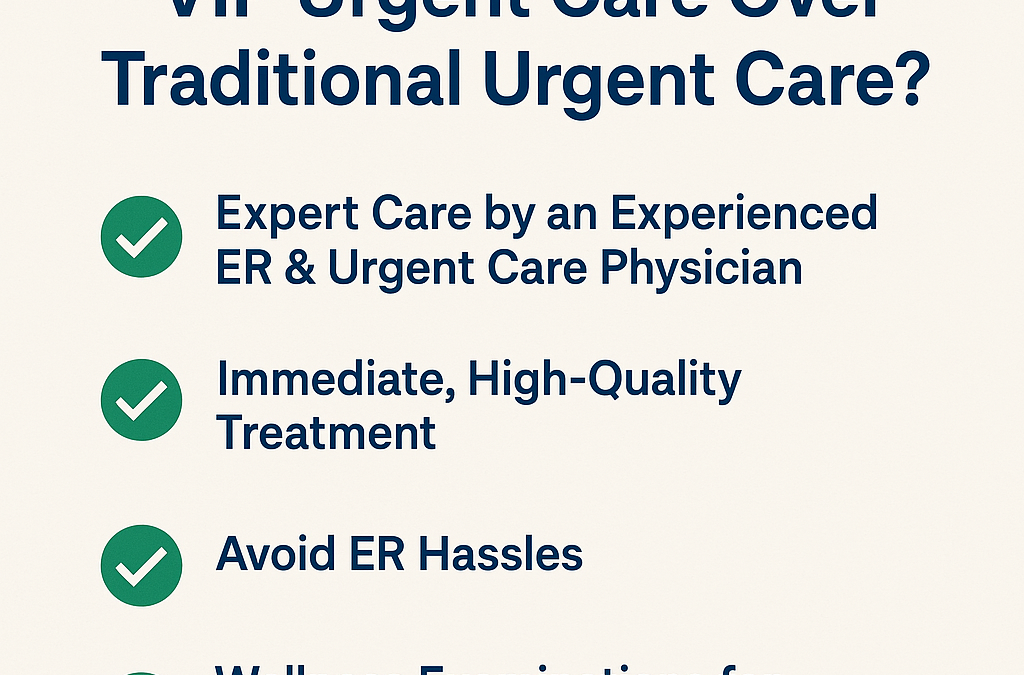
 Expert Care by an Experienced ER & Urgent Care Physician
 Same-Day Appointments Available!